
Search
 Treatment
The range of medical, psychological, and social services designed to help individuals reduce or stop substance use and manage substance use disorders. Treatment may include assessment, counselling and behavioural therapies, medication-assisted treatment, withdrawal management, and support for co-occurring mental or physical health conditions. Effective treatment is typically person-centred and evidence-informed, and may be provided in outpatient, community, or residential settings. Treatment aims to improve health and functioning, reduce substance-related harms, and support individuals in moving toward recovery and long-term wellbeing.


Changes in Specific Substance Involvement Scores among SBIRT Recipients in an HIV Primary Care Setting
Abstract
Background
Substance use is common among people living with HIV (PLHIV) and is associated with worse outcomes along the HIV care continuum. One potentially effective clinic-based approach to addressing unhealthy substance use is...
Effectiveness Bank Matrix Cell: The Face of Drug Addiction Treatment
At the front line the practitioner is to the patient the face of addiction treatment. Key research shows they can matter enormously - not so much in their formal qualifications, but in their manner with the patients. Other times it seems a...

Delivery of Screening and Brief Intervention for Unhealthy Alcohol Use in an Urban Academic Federally Qualified Health Center
Abstract
Background
Screening and brief intervention (SBI) for unhealthy drinking has not been widely implemented in primary care partly due to reliance on physicians to perform it.
Methods
We implemented a model of nursing staff...
No Clear Role for Medications in Less Dependent Drinkers
In 2013 nalmefene was authorised for moderating drinking among patients not in need of detoxification, extending pharmacotherapy to less dependent drinkers. Though uniquely authorised for this purpose, this review found other (and probably...
Gambling Activates the Same Brain Pathways as Substance Addiction, New Study Finds
Problem gambling in the UK is reported to affect around 590,000 people.
The condition can be treated via a range of approaches, including cognitive behavioural therapy and medication.
Published in the journal Translational Psychiatry, a...
Women and Substance Use
Abstract
Objectives: To explore contextual factors that increase vulnerabilities to negative sexual and reproductive health (SRH) outcomes and possible differences in SRH-related behaviours and the needs of women who use drugs (WUD)...
Effectiveness Bank Matrix Bite: What Is Drug Addiction Treatment for?
The first matrix cell on treatment (as opposed to harm reduction) seems a good time to ask: What is treatment there to do? ‘Cure’ addiction, or promote meaningful and productive lives? Meet patients’ wishes, or aid the government’s welfare...
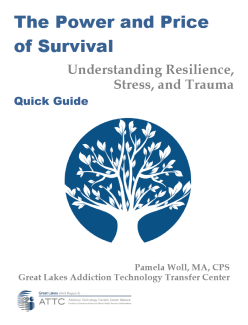
The Power and Price of Survival: Understanding Resilience, Stress, and Trauma
2nd Edition, 2011: A series of strength-based resources developed by Pamela Woll for the Great Lakes ATTC, to help prepare the civilian mental health and addiction treatment workforce to address post-deployment stress injuries. This series...
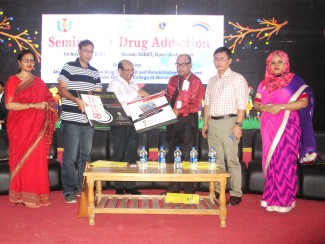
Seminar on Drug Addiction in Bangladesh
The Dhaka Ahsania Mission Female Drug Treatment & Rehabilitation Center, the International University of Business Agriculture and Technology (IUBAT), and the Lion Club of Dhaka Oasis jointly organized an anti-drug seminar for the students...
Effectiveness Bank Drug Treatment Matrix Row 1. First Task: Save Lives, Reduce Harm
Consolidates the lessons of the first five instalments of the online course on drug treatment research. The five cells in row 1 explored key research on reducing harm to the user as a result of their drug use. Prompted by HIV, from the...
Alcohol and Cancer: A Statement of the American Society of Clinical Oncology
Abstract
Alcohol drinking is an established risk factor for several malignancies, and it is a potentially modifiable risk factor for cancer. The Cancer Prevention Committee of the American Society of Clinical Oncology (ASCO) believes that...
Exercise in the Treatment of Youth Substance Use Disorders: Review and Recommendations
SUMMARY
Substance use disorders are one of the most common and debilitating mental health conditions experienced by youth, and several well-established risk factors exist that contribute to the development and persistence of SUDs...
Measuring Improvement in Knowledge of Drug Policy Reforms Following a Police Education Program in Tijuana, Mexico
Abstract
Background
Mexico’s 2009 “narcomenudeo reform” decriminalized small amounts of drugs, shifting some drug law enforcement to the states and mandating drug treatment diversion instead of incarceration. Data from Tijuana suggested...
WHO Alcohol Brief Intervention Training Manual for Primary Care (2017)
Alcohol contributes significantly to the disease and mortality burden in the WHO European Region, and primary health care systems play an important role in reducing the impact of harmful alcohol use. Screening and brief interventions (SBIs)...
How to Adapt Existing Evidence-Based Clinical Practice Guidelines
Abstract
Objective: To develop and encourage the adoption of clinical practice guidelines (CPGs) for smoking cessation in Canada by engaging stakeholders in the adaptation of existing high-quality CPGs using principles of the ADAPTE...
Do Creative Arts Therapies Reduce Substance Misuse? A Systematic Review
Abstract
The complexities of substance misuse treatment indicate a need to consider the efficacy of creative arts therapies for those who find it difficult to verbalise their emotions and feelings. The focus of this systematic review is to...
Factors Influencing the Long-Term Sustainment of Quality Improvements Made in Addiction Treatment Facilities
Abstract
Background
A greater understanding of the factors that influence long-term sustainment of quality improvement (QI) initiatives is needed to promote organizational ability to sustain QI practices over time, help improve future...
Role of Nurses in Alcohol and Drug Treatment Services
This resource describes the many potential roles of nurses in alcohol and drug treatment in England to help commissioners and providers of specialist adult alcohol and drug treatment services to recruit the right workforce to meet local...
Effects of Naltrexone on Alcohol Self-Administration and Craving
Abstract
Randomized clinical trials have established the efficacy of naltrexone for reducing quantity of alcohol consumption and incidence of relapse to heavy drinking. To evaluate putative treatment mechanisms, human laboratory studies...
Addiction Training in Clinical Psychology: Does It Meet the Demand?
Clinical psychology is particularly well suited to offering a multifaceted response in order to help those living with a substance use disorder. A new study published in the academic journal American Psychologist investigates the extent to...