

Search
Treatment Settings
Various treatment formats, either in a live-in facility or through regular visits to a clinic, are designed for ongoing support, to help maintain recovery, and to prevent relapse.

Smoking Cessation and Weight Concern

The World Health Organisation has estimated that tobacco use (smoking and smokeless) is currently responsible for the death of about six million people globally each year, with many of these deaths occurring prematurely.
Deciding and...
Effectiveness Bank Course on Drug Treatment Research
COURSE ON DRUG TREATMENT RESEARCH REACHES ITS CONCLUSION
This instalment ends the 2018 refresh of the Drug Treatment Matrix, reminding you of the issues addressed in its five rows (listed below) intersected by five columns stepping up in...
Examining the Links between Adolescent Brain Development, Mental Illness and Substance Use Disorder
Adolescence is a time where young people go through dramatic changes in body and behaviour. It is an age where young people are most likely to take risks, partake in reward-seeking activities and experience the first symptoms of mental ill...
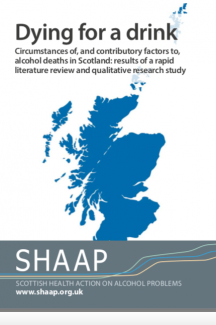
Dying for a Drink
Scottish Health Action on Alcohol Problems (SHAAP) has published its latest report, ‘Dying for a drink’.
Scottish people tend to consume more alcohol than people in England and Wales. Alcohol is a harmful substance and, consumed in excess...
Potential benefit of N-acetylcysteine for the management of cocaine base paste addiction
Abstract
In Chile, the consumption of Cocaine Base Paste (CBP), a highly toxic and addictive substance, has become a serious medical and social problem in the poorest areas of the country. This substance is smoked and quickly provokes in...
Research on the Perception of Brazilian Parliamentarians on Drug Policy
Seeking to qualify the public debate on drug policy and guide the actions of its members, the Brazilian Drug Policy Platform conducted a survey with the Federal Legislative Branch to map the opinions and perceptions of the congressmen on...
Research on perception of Brazilian parliamentarians on drug policy
Seeking to qualify the public debate on drug policy and guide the actions of its members, the Brazilian drug policy Platform (PBPD) conducted a survey of the federal legislative power to map the opinions and perceptions of congressmen about...
Inactivation of HCV and HIV by Microwave: A Novel Approach for Prevention of Virus Transmission among People who Inject Drugs
Abstract
Hepatitis C virus (HCV) and human immunodeficiency virus (HIV-1) transmissions among people who inject drugs (PWID) continue to pose a challenging global health problem. Here, we aimed to analyse a universally applicable...
Sex Differences in Cannabis Use
Cannabis remains the most commonly used illicit drug worldwide and, with the rise of decriminalisation and legalization of marijuana for medical and recreational use, it is expected this will increase even further. There are, however...
Risk Factors for Discontinuation of Treatment for Opioid Use Disorders
Opioid Use Disorder (OUD), and the associated risk of overdose and death, is becoming one of the most prevalent threats to health and social wellbeing in the United States. Medication, such as buprenorphine, is the gold standard treatment...
Report on the State of Public Health in Canada 2018: Preventing Problematic Substance Use in Youth
The Public Health Agency of Canada has released its latest report on the state of public health, with a spotlight on the prevention of problematic substance use among youth.
Results from the analysis found that almost 80% of Canadians aged...
The Mechanism Behind Alcohol Addiction
 brain-neurons” by Fotis Bobolas, CC BY-SA 2.0" data-entity-type="file" data-entity-uuid="5626ba06-b061-4bcb-9d6b-6491a8941708" src="/files/inline-images/3822222947_01dc20e029.jpg">
Alcohol is known to affect a region in our brain called the Ventral Tegmental Area (VTA), otherwise known as the “pleasure centre”. By activating specific neurones that then go on to release the neurochemical dopamine within this...
Effectiveness Bank Drug Treatment Matrix Row 5: Reducing Crime, Protecting Families
Time to consolidate the lessons of the last five instalments of our course on drug treatment research. Row 5 explored key studies on treatment in relation to safeguarding the family and the community from crime. A common theme was the...
Making the Opioid Use Disorder Cascade of Care a Reality, Despite Data Limitations
This blog post by ICUDDR Executive Director, Kim Johnson, discusses a method for measuring national outcomes of efforts to reduce the number of overdose deaths in the United States.

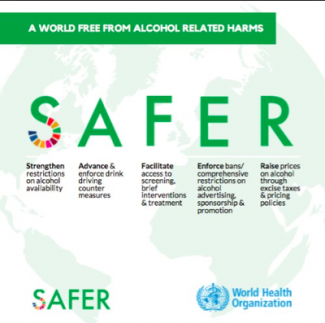
World Health Organization SAFER Alcohol Control Initiative
The WHO Global Status Report on Alcohol and Health claims that alcohol consumption contributes to more than 3 million deaths globally every year and is the seventh leading risk factor for premature death and disability.
The World Health...
Gene Therapy for Cocaine Addiction
Cocaine addiction is linked with uncontrollable drug seeking. Cues within the environment act as a constant reminder of the experience and can lead to relapse. Current medication options are limited when it comes to meeting the needs for...
Strategy to Combat Opioid Abuse
The U.S. Department of Health and Human Services has released its five point strategy to combat opioid abuse, misuse, and overdose.
The five points that the strategy is based on are to:
- Improve access to prevention, treatment and...
Educational Packages for Opioid Use Disorders
The Addiction Technology Transfer Center Network has released a set of educational packages that can be used by professionals working with individuals with opioid disorders.
Online booklets, which have been specially designed for peer...

El consumo de drogas y su tratamiento dese la perspectiva de familiares y amigos de consumidores - Guatemala
Actualmente Guatemala cuenta con una población de 13,344,770 personas que tiene una elevada tasa de población migrante, tanto nacional como internacional. Relacionado con el abuso de drogas, el país presenta la más alta tasa de consumo de...
Planning and Designing the Improving Addiction Care Team (IMPACT) for Hospitalized Adults with Substance Use Disorder
Abstract
People with substance use disorders (SUD) have high rates of hospitalization and readmission, long lengths of stay, and skyrocketing healthcare costs. Yet, models for improving care are extremely limited. We performed a needs...