The public seminar Digital Parenting 101: Navigating Adolescent Psychosocial Challenges in the Era of Gadget Addiction was successfully held on Sunday, April 26, 2026, at MULA Coworking Space, Cilandak Town Square, South Jakarta. The event was organized through a collaboration between Yayasan Abhipraya and ISSUP Indonesia Chapter, to increase public awareness—particularly among parents and caregivers—regarding adolescent psychosocial development in the digital era and strategies to prevent addictive behaviors.
The seminar was attended by approximately 30 participants from diverse backgrounds and professions, including parents, educators, healthcare practitioners, counselors, and members of the general public who are concerned about mental health and parenting issues in today’s digital landscape.
The event began with participant registration at 9:45 AM, followed by an opening session led by moderator and master of ceremonies, Ms. Mayda Wardianti, M.Si. In her opening remarks, she highlighted that parenting challenges in the digital age are no longer limited to supervision alone, but also require an understanding of adolescents’ psychological development amid massive technological exposure.
The opening remarks continued with a speech from the representative of Yayasan Abhipraya, Mr. Drs. Yuki Ruchimat, M.Si, who emphasized the importance of cross-sector collaboration in preventing addiction-related problems, particularly among adolescents.
Expert Speakers Address Adolescent Mental Health and Digital Use
The seminar featured three speakers who presented complementary perspectives on adolescent mental health and digital parenting.
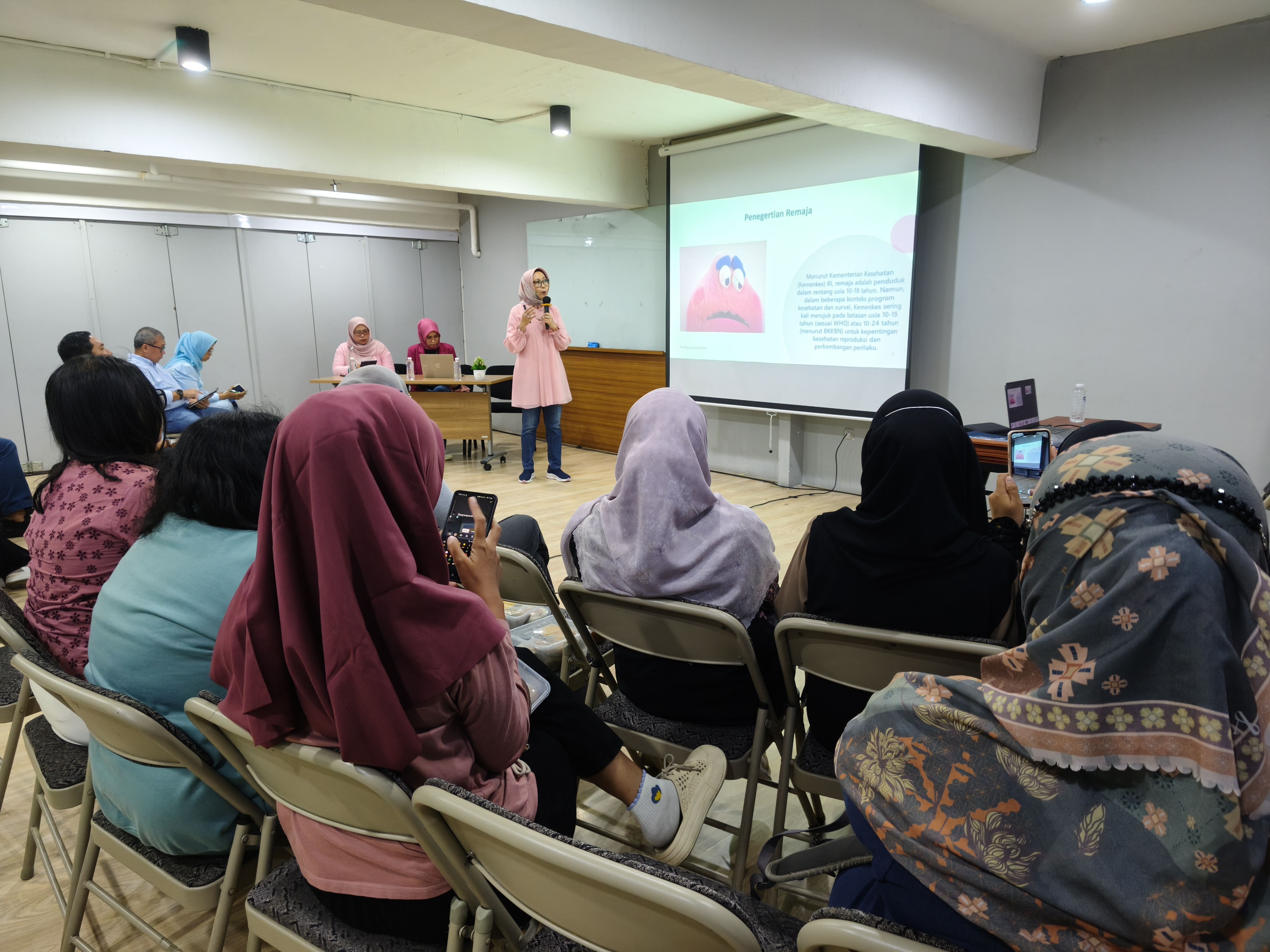
The first speaker, Dr. dr. Diah Setia Utami, Sp.KJ, MARS, discussed the psychosocial developmental challenges faced by adolescents amid the escalation of internet and gadget addiction. She explained that gadgets themselves are not the primary problem; rather, uncontrolled patterns of use may develop into addictive behavior. Therefore, it is important to understand the distinctions between healthy use, problematic use, and addiction.
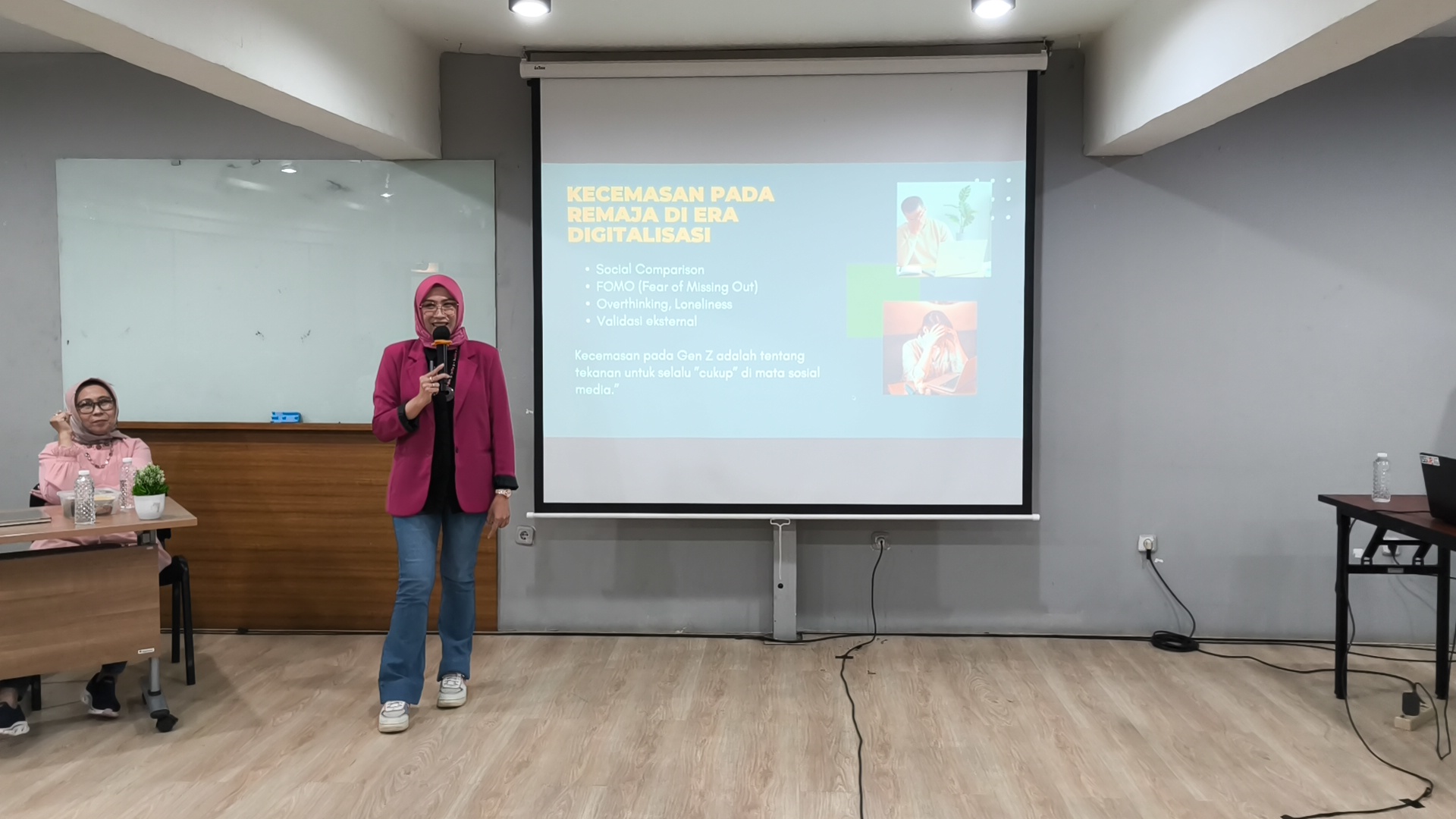
The second speaker, dr. Zulvia Oktanida Syarif, Sp.KJ, explored mental health issues among Generation Z in the digital era. She noted that today’s generation consists largely of digital natives, making strict prohibition of gadget use an unrealistic approach. Instead, adolescents should be guided toward purposeful and mindful technology use, alongside increased mental health literacy to recognize early warning signs such as emotional changes, sleep disturbances, and social withdrawal.
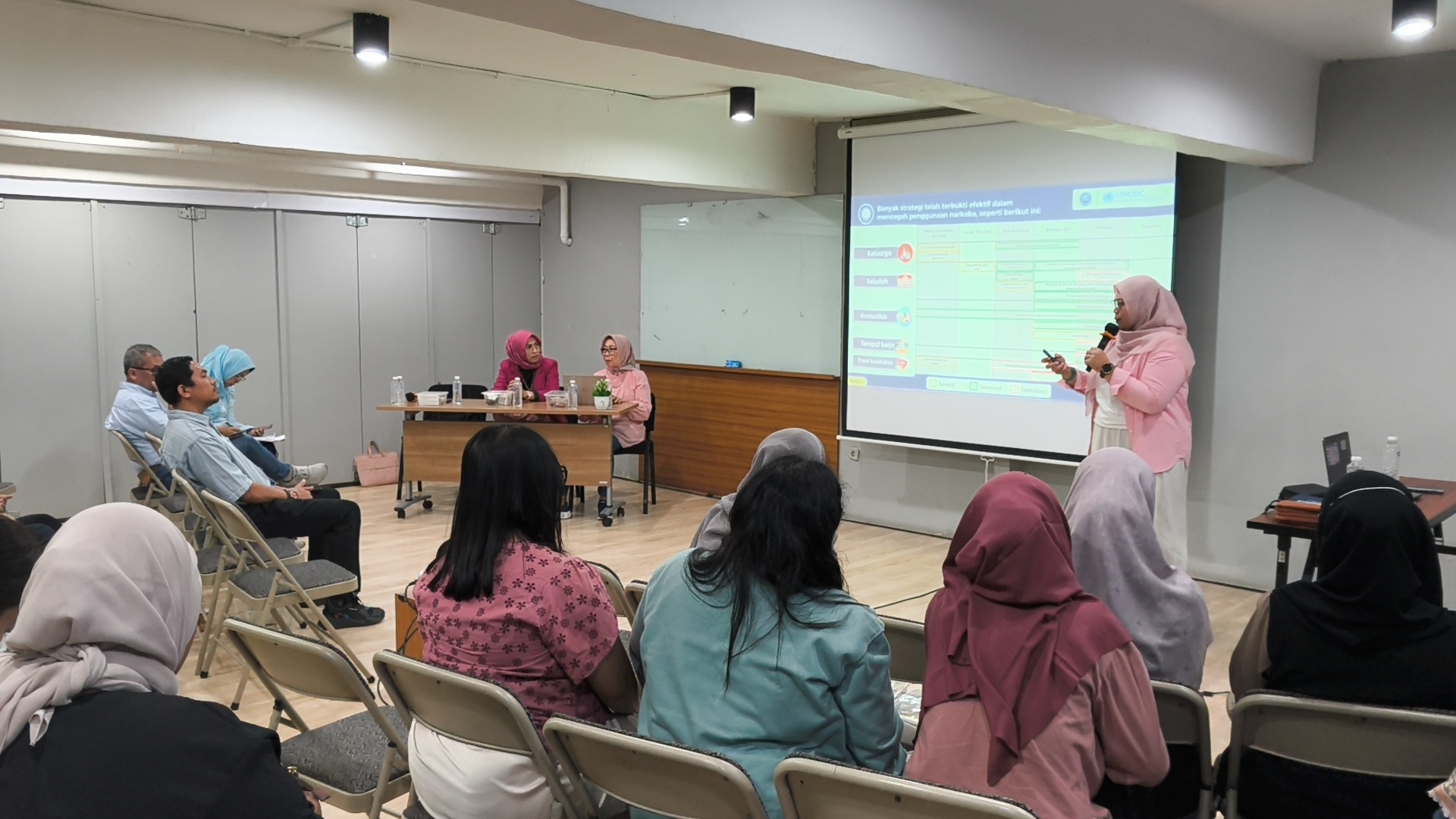
The third speaker, Eva Fitri Yuanita, S.Pd, M.Tr.AP, highlighted the critical role of families in preventing addictive behaviors. She emphasized that families play a strategic role in shaping children’s digital habits through open communication, mutually agreed household rules, and parental role modeling in gadget use.
Interactive Discussion Highlights Real-Life Parenting Challenges
The discussion and Q&A session was highly interactive, with participants actively sharing real-life challenges they encounter in daily life.
One major topic discussed was the effectiveness of limiting gadget use among adolescents. The speakers agreed that overly strict restrictions are often less effective than helping adolescents develop self-awareness, time management skills, and healthy digital habits with parental guidance.
Another participant working in Human Resources asked about responding to individuals expressing suicidal thoughts. The speakers emphasized the importance of empathetic listening and referring individuals to professional mental health services. They also clarified that non-clinical professionals should not attempt to act as therapists, but rather serve as supportive first responders and connectors to appropriate care.
The discussion also addressed parenting dynamics in families with children of differing personalities. The speakers explained that such differences are normal and often related to sibling rivalry. Parents were encouraged to avoid comparing children and instead foster empathetic communication while providing balanced attention according to each child’s needs.
A participant who works as a counselor raised questions about adolescent identity development based on Erik Erikson’s theory, as well as client management in rehabilitation settings. The speakers explained that identity formation does not follow rigid timelines, meaning adolescents still have opportunities for positive growth despite environmental risk factors. In rehabilitation contexts, particularly inpatient settings, structured supervision, proper client grouping, and well-directed programs are essential to prevent the spread of negative behaviors.
Toward the end of the session, the discussion returned to the role of parents in providing psychoeducation about gadget use. The speakers stressed that effective parenting is not solely about control, but about guidance, companionship, and building open relationships between parents and children. Active parental involvement remains a key factor in helping adolescents develop healthy technology management skills.
Building Healthy Relationships in the Digital Era
The seminar concluded by emphasizing that the foundation of effective digital parenting lies not in restriction alone, but in the quality of the relationship between parents and children. Open communication, understanding adolescents’ emotional needs, and modeling healthy technology use are essential in supporting adolescent mental health in today’s rapidly evolving digital environment.
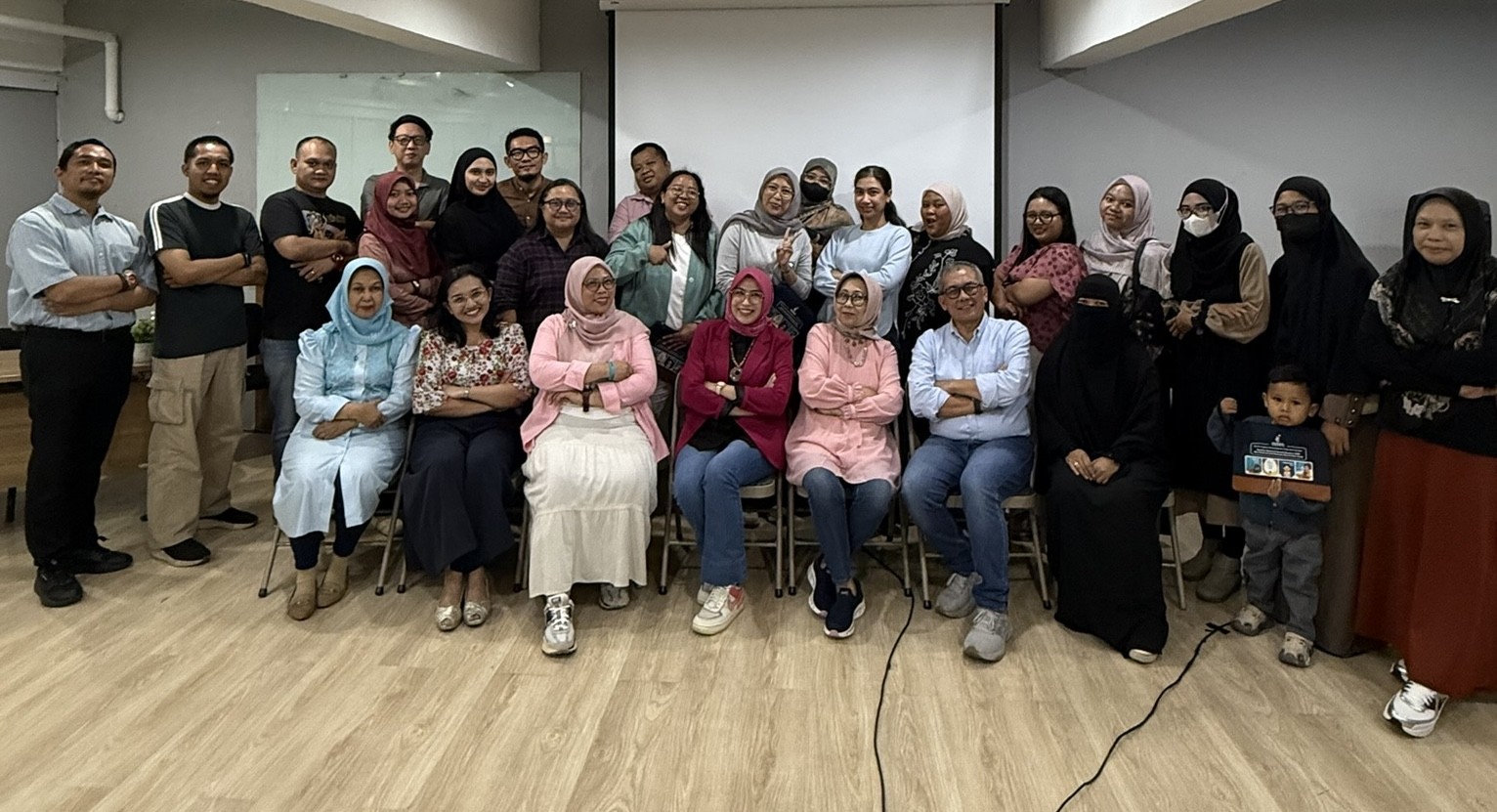
The event closed with a group photo session and officially ended at 12:30 PM. It is hoped that this seminar provided participants with practical insights and encouraged more adaptive and responsive parenting approaches in the digital age.
Gallery