
Tussi (“Pink Cocaine”) in New York: An Emerging Synthetic Drug Threat
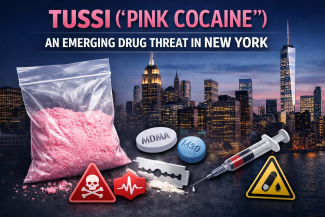
Tussi (“Pink Cocaine”) in New York: An Emerging Synthetic Drug Threat
Public health awareness for New York communities
Why Tussi Matters in New York Right Now
In recent years, Tussi—often referred to as “pink cocaine”—has begun appearing with increasing frequency in New York City nightlife and party scenes. Although often marketed as a fashionable or international club drug, Tussi represents a serious and underrecognized synthetic drug risk with significant implications for public health.
Despite its name, Tussi is not cocaine. It is an unregulated synthetic drug mixture with no consistent formula. Products sold under the same name may contain entirely different substances from one purchase to the next.
What Is Actually in Tussi?
Chemical analyses and clinical reports indicate that Tussi commonly contains combinations of:
- Ketamine
- MDMA (ecstasy)
- Methamphetamine
- Caffeine
Increasingly, high-risk additives such as fentanyl and benzodiazepines have also been detected. These substances dramatically raise the risk of overdose, particularly for individuals who do not believe they are consuming opioids.
Why Tussi Is Especially Dangerous in New York
Unpredictable Composition
Unlike drugs with relatively stable profiles, Tussi has no standardized composition. The same product name, color, or source does not guarantee the same chemical contents. This unpredictability increases the likelihood of adverse reactions and overdose.
Opioid Contamination and Overdose Risk
New York continues to face a severe opioid overdose crisis, driven largely by fentanyl. Tussi fits into a dangerous pattern in which individuals consume opioids unknowingly. Even small amounts of fentanyl can be fatal, especially for people without opioid tolerance.
Nightlife and Party Scene Normalization
Tussi is most often encountered in nightlife environments, including clubs, private events, and after-hours gatherings. Its association with status, exclusivity, or international party culture can create a false sense of safety, particularly among younger adults.
Polysubstance Use
Tussi is frequently used alongside alcohol or other drugs. Combining stimulants, depressants, and dissociatives places extreme stress on the body and significantly increases the risk of medical emergencies.
Public Health Implications for New York
Emergency departments and treatment providers in New York are increasingly encountering cases involving synthetic drug exposure where patients are unaware of what they consumed. This complicates diagnosis, treatment, and overdose response.
As synthetic drug markets evolve, awareness and early intervention are critical to preventing harm.
Treatment and Support Resources
Individuals affected by Tussi often present with polysubstance exposure, unexpected opioid dependence, or acute medical complications. Evidence-based treatment and education are essential.
Clinical guidance and treatment considerations related to Tussi and other synthetic drugs are outlined by Every1 Center’s guide to Tussi and synthetic drug treatment, which explains the risks of non-standardized drug mixtures and the importance of comprehensive care.
New York residents and families seeking immediate support or information can also contact the Long Island Rehab Helpline & Crisis Intervention for Tussi-related substance use, which provides education, referral support, and treatment navigation.
A Call for Awareness, Not Panic
Tussi is not a passing trend. It reflects a broader shift toward synthetic, rapidly changing drug markets that demand updated public health responses.
For New York, the priority is clear:
- Accurate education about synthetic drug risks
- Overdose prevention and early intervention
- Access to treatment and harm-reduction services
- Reducing stigma so people seek help sooner
When the danger is hidden behind misleading names and appearances, accurate information becomes a life-saving tool.