
Zenzedi vs Adderall: Understanding the Dangers of Prescription Stimulant Misuse | ISSUP
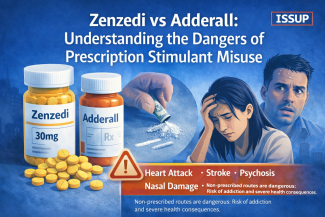
Zenzedi vs Adderall: Understanding the Dangers of Prescription Stimulant Misuse | ISSUP
Zenzedi vs Adderall: Understanding the Dangers of Prescription Stimulant Misuse
A clinical perspective on dextroamphetamine formulations and the serious health consequences of misuse
By Benjamin Zohar, NCACIP | February 7, 2026
Key Takeaway: Zenzedi (dextroamphetamine sulfate) is a Schedule II controlled substance with legitimate medical uses for ADHD and narcolepsy. However, its misuse—particularly through non-oral routes—poses severe and potentially fatal health consequences. If you or someone you love is struggling with stimulant misuse, professional help is available.
What Is Zenzedi?
Zenzedi is the brand name for dextroamphetamine sulfate, a central nervous system stimulant classified as a Schedule II controlled substance by the DEA. This classification indicates that while Zenzedi has accepted medical uses, it carries a high potential for abuse that may lead to severe psychological or physical dependence.
Zenzedi is FDA-approved to treat:
- Attention Deficit Hyperactivity Disorder (ADHD) in children (ages 3-16) and adults
- Narcolepsy (a sleep disorder causing excessive daytime drowsiness)
The medication is available as immediate-release tablets in multiple strengths: 2.5mg, 5mg, 7.5mg, 10mg, 15mg, 20mg, and 30mg (often yellow in color). When taken as prescribed under medical supervision, Zenzedi can be an effective component of ADHD treatment.
Zenzedi vs Adderall: Key Differences
Both Zenzedi and Adderall are prescription stimulants used to treat ADHD, but they have distinct pharmacological profiles that substance use professionals should understand:
| Characteristic | Zenzedi | Adderall |
|---|---|---|
| Active Ingredient | Pure dextroamphetamine sulfate (d-amphetamine) | Mixed amphetamine salts (75% d-amphetamine, 25% l-amphetamine) |
| DEA Schedule | Schedule II | Schedule II |
| Formulation | Immediate-release only | Immediate-release and extended-release (XR) |
| Onset of Action | Typically faster (30-60 minutes) | 30-60 minutes (IR); 1-2 hours (XR) |
| Duration | 4-6 hours | 4-6 hours (IR); 10-12 hours (XR) |
| Abuse Potential | High | High |
Clinical Note: The pure dextroamphetamine formulation in Zenzedi may produce slightly different subjective effects compared to Adderall's mixed salts. Some individuals misusing stimulants specifically seek out Zenzedi due to perceived differences in potency or effect profile. Both medications carry equivalent risks for abuse, dependence, and serious health consequences.
The Serious Dangers of Zenzedi Misuse
Prescription stimulant misuse has reached alarming levels in the United States. According to the Substance Abuse and Mental Health Services Administration (SAMHSA), millions of Americans misuse prescription stimulants annually, with a significant percentage developing stimulant use disorder.
What Constitutes Misuse?
Stimulant misuse includes:
- Taking medication without a prescription
- Taking higher doses than prescribed
- Taking medication more frequently than prescribed
- Using medication via non-oral routes (crushing and snorting, injecting)
- Taking medication for non-medical purposes (to get high, enhance performance, lose weight)
Why Non-Oral Routes Are Particularly Dangerous
⚠️ Critical Warning: In clinical practice and through family consultations, we have encountered individuals who have crushed and insufflated (snorted) Zenzedi tablets, including the yellow 30mg formulation. This route of administration dramatically increases health risks and accelerates the path to addiction.
When prescription stimulants are taken via non-oral routes, several dangerous changes occur:
- Bypassed Safety Mechanisms: Oral tablets are designed for gradual absorption through the digestive system. Non-oral routes deliver the drug directly to the bloodstream, creating a rapid, intense surge that the body is not equipped to handle safely.
- Dramatically Increased Peak Concentration: Nasal insufflation can produce blood concentration levels far exceeding what occurs with oral administration, increasing the risk of overdose and cardiovascular events.
- Accelerated Addiction Development: The rapid onset and intense euphoria associated with non-oral administration strongly reinforces addictive behavior patterns, leading to faster development of dependence.
- Exposure to Harmful Inactive Ingredients: Tablets contain binders, fillers, and coatings not designed for nasal or intravenous administration. These substances can cause severe tissue damage, infections, and systemic complications.
Health Consequences of Stimulant Misuse
The health consequences of Zenzedi and other prescription stimulant misuse can be severe, permanent, and fatal:
Cardiovascular Dangers
- Heart Attack (Myocardial Infarction): Stimulants dramatically increase heart rate and blood pressure, potentially triggering cardiac events even in young, otherwise healthy individuals
- Stroke: Elevated blood pressure and vasoconstriction increase stroke risk
- Cardiac Arrhythmias: Irregular heartbeats that can be fatal
- Cardiomyopathy: Chronic misuse can permanently damage heart muscle
Neurological and Psychological Effects
- Stimulant-Induced Psychosis: Paranoia, hallucinations, and delusional thinking
- Severe Anxiety and Panic Attacks: Can persist even after stopping use
- Seizures: Particularly with high doses or during withdrawal
- Cognitive Impairment: Memory problems, difficulty concentrating (paradoxically)
- Depression: Severe depressive episodes, particularly during crashes and withdrawal
Nasal and Respiratory Damage (From Insufflation)
- Septal Perforation: A hole in the nasal septum requiring surgical repair
- Chronic Sinusitis: Persistent infection and inflammation
- Loss of Smell: Can be permanent
- Nosebleeds: Chronic and severe
- Respiratory Infections: Increased susceptibility to serious infections
Other Serious Consequences
- Hyperthermia: Dangerously elevated body temperature
- Rhabdomyolysis: Muscle tissue breakdown that can cause kidney failure
- Severe Weight Loss and Malnutrition: Stimulants suppress appetite
- Death: From overdose, cardiovascular events, or complications
Recognizing Stimulant Use Disorder
Families and professionals should be aware of warning signs that may indicate prescription stimulant misuse:
- Taking higher doses or using medication more frequently than prescribed
- Running out of prescriptions early or "doctor shopping"
- Obtaining stimulants from friends, family, or illicit sources
- Continued use despite negative consequences (health, relationships, work, legal)
- Withdrawal symptoms when not using (fatigue, depression, increased appetite, sleep disturbances)
- Neglecting responsibilities and relationships
- Physical signs: dilated pupils, weight loss, dental problems, frequent nosebleeds
- Behavioral changes: irritability, paranoia, secrecy, financial problems
For Families: If you've discovered that a loved one is misusing prescription stimulants—whether taking them without a prescription, using higher doses, or using via non-oral routes—it's important to understand that stimulant use disorder is a treatable medical condition. Confrontation and judgment often push individuals further away from help. Professional intervention services can help families navigate this difficult situation with compassion and clinical expertise.
Treatment Options for Stimulant Use Disorder
Recovery from prescription stimulant misuse is possible with appropriate professional support. Evidence-based treatment approaches include:
- Medical Detoxification: Supervised withdrawal management to ensure safety and comfort
- Cognitive Behavioral Therapy (CBT): Addresses thought patterns and behaviors driving stimulant use
- Contingency Management: Provides incentives for maintaining abstinence
- Matrix Model: A structured outpatient program specifically designed for stimulant use disorders
- Residential Treatment: Intensive, immersive treatment for severe cases
- Support Groups: Peer support through 12-step programs or SMART Recovery
- Family Therapy: Addresses family dynamics and builds a supportive recovery environment
Unlike opioid use disorder, there are currently no FDA-approved medications specifically for stimulant use disorder. However, research continues, and some medications may be used off-label to address specific symptoms. The foundation of treatment remains behavioral interventions and psychosocial support.
Getting Help: Resources for Families and Individuals
If you or someone you love is struggling with prescription stimulant misuse, professional guidance is available. The following organizations provide confidential treatment navigation, intervention services, and recovery support:
- Long Island Addiction Treatment Resources — Treatment placement assistance and recovery support for Long Island families
- Every1 Center — Addiction treatment navigation and family support services in the Capital Region
- Intervention NY — Professional intervention services throughout New York State
National Resources:
- SAMHSA National Helpline: 1-800-662-4357 (free, confidential, 24/7)
- ISSUP: www.issup.net — International Society of Substance Use Professionals
Help is available. Recovery is possible. You don't have to face this alone.
Related Adderall Resources
- How Long Does Adderall Last? IR vs. XR, Dose, and Timeline
- Is Adderall Still in Shortage in 2026?
- 2025 ADHD Stimulant Shortage: Patient & Provider Guidance
- Adderall Treatment, Safe Use, and Intervention Resources
for More Information on Adderall read the Guide on Palm City Wellness's Site: Complete Adderall IR vs. XR Duration Guide
Conclusion
Zenzedi, like Adderall and other prescription stimulants, serves an important medical purpose when used as prescribed under professional supervision. However, the misuse of these medications—particularly through non-oral routes—poses severe and potentially fatal health consequences.
For substance use professionals, understanding the specific risks associated with different formulations and routes of administration is essential for effective patient education and intervention. For families, recognizing the warning signs of stimulant misuse and knowing that effective treatment exists can be the first step toward helping a loved one find recovery.
If prescription stimulant misuse is affecting your family, please reach out to a qualified professional. Early intervention significantly improves outcomes, and compassionate, evidence-based help is available.
About the Author
Benjamin Zohar, NCACIP (Nationally Certified Advanced Clinical Intervention Professional) is a substance use intervention specialist and treatment navigation consultant based in New York. With extensive experience helping families navigate addiction crises, Ben works with individuals and families across New York State through his organizations including Long Island Addiction Treatment Resources, Every1 Center, and Intervention NY. He is an active member of the ISSUP Network and contributes to professional education on intervention best practices and addiction treatment navigation.
Connect with Ben on the ISSUP Network or through his treatment navigation services.
References
- U.S. Food and Drug Administration. (2023). Zenzedi Prescribing Information.
- Substance Abuse and Mental Health Services Administration. (2023). Key Substance Use and Mental Health Indicators in the United States.
- National Institute on Drug Abuse. (2023). Prescription Stimulants DrugFacts.
- American Psychiatric Association. (2022). Diagnostic and Statistical Manual of Mental Disorders (DSM-5-TR).
```