
Comprehensive Drug Screening in Substance Use Intervention
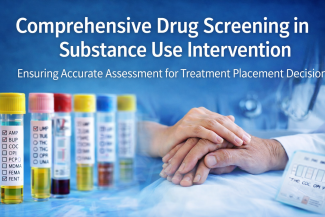
Comprehensive Drug Screening in Substance Use Intervention: Why Standard Panels Miss Critical Risks in the Hudson Valley
Substance use intervention has evolved significantly over the past decade, yet one clinical tool remains underutilized in many treatment placement and intervention settings: comprehensive drug screening.
Across the United States, and particularly in regions like the Hudson Valley of New York, intervention specialists and treatment navigators increasingly encounter polysubstance use involving opioids, benzodiazepines, synthetic cannabinoids, and stimulants. Standard 5-panel drug tests frequently fail to identify the full spectrum of substances contributing to addiction and overdose risk.
Limitations of the Standard 5-Panel Screen
Traditional workplace-style drug screens typically detect:
- Marijuana (THC)
- Cocaine
- Amphetamines
- Opiates
- PCP
While useful for basic screening, these panels often miss substances driving many overdose deaths today, including:
- Fentanyl analogs
- Buprenorphine misuse
- Benzodiazepines
- Synthetic cannabinoids
- Designer stimulants
For interventionists working with families in crisis, incomplete screening data can significantly affect the accuracy of treatment placement decisions.
The Role of Comprehensive 22-Panel Drug Screening
More advanced screening panels can detect a broader range of substances associated with complex addiction patterns. Comprehensive testing enables intervention professionals to better assess:
- Polysubstance use
- Medication misuse
- High-risk opioid exposure
- Emerging synthetic drugs
This deeper clinical picture allows for more appropriate treatment recommendations, including whether individuals require:
- Medically supervised detox
- Inpatient residential care
- Dual diagnosis treatment
- Outpatient stabilization programs
Implications for Treatment Placement
When intervention teams rely on incomplete screening, individuals may be placed in treatment environments that do not adequately address the substances involved.
Accurate screening improves:
- Clinical triage
- Detox placement decisions
- Medication management
- Safety planning for families
Professionals working in addiction treatment navigation and intervention services increasingly recognize the importance of incorporating comprehensive screening protocols into early assessment.
Regional Impact in the Hudson Valley
Communities throughout the Hudson Valley region, including Newburgh, Beacon, Poughkeepsie, and surrounding areas, have seen increasing complexity in substance use cases.
Families seeking guidance often require immediate support identifying appropriate treatment options and understanding the risks associated with emerging drug trends.
Organizations providing intervention support and treatment placement services in the Hudson Valley have begun incorporating expanded screening and clinical assessment approaches to better guide families during the early stages of recovery planning.
For those seeking local recovery guidance and treatment navigation resources, visit Hudson Valley addiction treatment resources .
Moving Toward Better Intervention Practices
As the addiction landscape continues to evolve, intervention strategies must adapt as well. Comprehensive screening is one important step toward ensuring that treatment placement decisions reflect the realities of modern substance use patterns.
For intervention professionals, treatment navigators, and recovery advocates, integrating better assessment tools ultimately leads to safer outcomes and more effective recovery pathways.