
Retatrutide and Recovery: Why Some Are Exploring Peptides as Alternatives During Early Sobriety
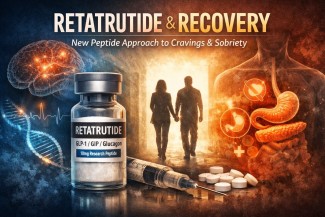
Retatrutide and Recovery: Why Some Are Exploring Peptides as Alternatives During Early Sobriety
Home › Blog › Retatrutide and Recovery
Recovery Research & Peptide Science
Retatrutide and Recovery: Why Some Are Exploring Peptides as Alternatives During Early Sobriety
Understanding the retatrutide peptide, metabolic reset in early recovery, and why new peptide research is getting attention from intervention professionals and recovery communities.
By Benjamin Zohar NCACIP — Nationally Certified Advanced Clinical Intervention Professional March 14, 2026 9 min read
Key Takeaways
- Retatrutide is a triple-agonist peptide being studied for metabolic health, activating GLP-1, GIP, and glucagon receptors simultaneously.
- Researchers are increasingly interested in how metabolic peptides affect appetite, reward pathways, and cravings — mechanisms that overlap directly with addiction recovery.
- Some recovery professionals have observed individuals exploring peptides like retatrutide while transitioning away from substances or traditional medications such as Suboxone, particularly during early stabilization phases.
- Because retatrutide interacts with systems related to hunger signals, metabolism, and brain reward circuits, it has become a topic of discussion in emerging recovery circles.
- Anyone researching peptides should prioritize lab-tested sources with purity verification and certificates of analysis, as the peptide market varies widely in quality.
Over the past decade, addiction recovery has increasingly intersected with metabolic science. Researchers and recovery professionals alike have begun exploring how hormones, metabolism, and brain reward circuits interact during early sobriety.
Traditionally, medications like Suboxone have played a major role in helping individuals stabilize after opioid dependency. But in recent years, people in recovery communities have started discussing emerging compounds — particularly metabolic peptides — that may influence appetite, cravings, and overall physiological balance.
One compound that has generated significant attention is retatrutide.
Originally studied as a treatment for metabolic disease and obesity, retatrutide works through a triple hormone receptor mechanism, affecting GLP-1, GIP, and glucagon pathways simultaneously. Because these systems influence both metabolism and reward signaling, some researchers are beginning to investigate whether metabolic peptides could eventually play a role in supporting recovery environments.
While research is still developing, the discussion around retatrutide highlights a growing interest in new biological approaches to stabilizing the body during early sobriety.
Disclaimer: This article is not medical advice. It is an exploration of emerging science and real-world observations from intervention work. Anyone considering changes to their recovery plan should consult a qualified healthcare provider.
What Is Retatrutide?
Retatrutide is an investigational peptide currently being studied in clinical trials for metabolic disorders and obesity.
Unlike earlier metabolic drugs that target a single pathway, retatrutide activates three receptors simultaneously:
- GLP-1 (glucagon-like peptide-1) — regulates appetite and insulin secretion
- GIP (glucose-dependent insulinotropic polypeptide) — enhances insulin response and energy metabolism
- Glucagon — increases energy expenditure and fat metabolism
This "triple agonist" activity affects several biological systems at once, including appetite regulation, metabolic rate, insulin signaling, and energy expenditure. Because of this multi-receptor mechanism, retatrutide has generated enormous interest among researchers studying metabolic health, weight regulation, and appetite control.
The compound has earned the nickname "GLP-3 triple agonist" in some research discussions, reflecting its three-pathway activation profile.
How Does Retatrutide Work?
Retatrutide influences communication between the gut, brain, and metabolic hormones — a signaling network sometimes referred to as the gut-brain axis.
These pathways regulate hunger signals, satiety (the feeling of fullness), reward behavior, and glucose metabolism. What makes this particularly relevant beyond weight management is that these same signaling systems are often profoundly disrupted during and after substance use.
Opioids, stimulants, and even compounds like 7-OH kratom extracts interfere with dopamine regulation, appetite hormones, and metabolic function. When someone enters recovery, those systems don't reset overnight. The lingering dysregulation is often what drives relapse.
The interaction between metabolism and reward pathways is why retatrutide has attracted attention outside of traditional obesity research — and into conversations about recovery and stabilization.
Peptides and the Search for Suboxone Alternatives
Suboxone has helped many people stabilize their lives during opioid recovery. However, some individuals eventually look for ways to transition away from maintenance medications once they feel stable enough to rebuild their lives without ongoing pharmacological support.
This search has led some people to explore:
- Metabolic therapies that support the body's natural regulatory systems
- Hormone regulation approaches targeting cortisol, insulin, and appetite
- Gut-brain signaling compounds that may influence cravings
- Peptide research — particularly compounds affecting reward and satiety pathways
Because compounds like retatrutide interact with the same hormonal systems that regulate hunger, reward behavior, and dopamine signaling, some recovery professionals have started paying attention to how metabolic peptides may influence cravings and physical recovery.
Important: These discussions are early observations and emerging research, not clinical recommendations. No one should discontinue prescribed medications without medical guidance. But the overlap between metabolism and addiction science is becoming one of the most interesting areas of study in modern recovery research.
Why Retatrutide Is Being Discussed in Recovery Circles
One of the hardest parts of early recovery from substances like 7-OH kratom, opioids, or stimulants is not just withdrawal — it's the lingering cravings and loss of motivation that can persist for weeks or months afterward.
People in early recovery commonly report:
- Constant, intrusive cravings
- Persistent fatigue and low energy
- Disrupted appetite — either no appetite or compulsive eating
- Mood instability and emotional flatness
- Loss of motivation and drive (anhedonia)
In several intervention cases I've been involved with, individuals experimenting with metabolic peptides like retatrutide reported that their bodies seemed to stabilize faster during the early recovery window.
Some described:
- Reduced intensity and frequency of cravings
- Improved appetite regulation — eating normally again
- More stable and sustained energy levels throughout the day
- Mental clarity returning faster than expected
These observations are anecdotal — they come from real people in real recovery situations, not controlled clinical trials. But they highlight why the compound is beginning to attract attention outside traditional metabolic research, and why the recovery community is watching the science closely.
Retatrutide Benefits Being Studied
Researchers studying retatrutide are primarily investigating its effects on:
- Metabolic regulation — restoring normal hormonal signaling
- Appetite suppression — reducing compulsive eating and cravings
- Weight loss — particularly visceral fat reduction
- Insulin sensitivity — improving glucose metabolism
- Energy expenditure — increasing the body's baseline metabolic rate
Because retatrutide activates three hormonal systems simultaneously, many scientists believe its effects may be more pronounced than earlier single- or dual-agonist GLP-1 compounds like semaglutide or tirzepatide.
Retatrutide vs Tirzepatide
One of the most common comparisons people search for is retatrutide vs tirzepatide. Both are metabolic peptides, but they work through different receptor profiles:
| Feature | Tirzepatide | Retatrutide |
|---|---|---|
| GLP-1 Receptor | ✓ Active | ✓ Active |
| GIP Receptor | ✓ Active | ✓ Active |
| Glucagon Receptor | — Not active | ✓ Active |
| Classification | Dual agonist | Triple agonist |
| FDA Status | Approved (as Mounjaro / Zepbound) | Investigational — Phase 2 trials |
| Energy Expenditure | Moderate increase | Significant increase (via glucagon) |
The third glucagon receptor is why researchers believe retatrutide could represent a major next-generation development in metabolic peptide research. That additional pathway drives energy expenditure in a way that dual-agonist compounds cannot match.
Retatrutide Dosage and Research Quantities
Because retatrutide is still being studied in clinical trials, research protocols vary. Research-grade vials are typically available in the following quantities:
- 5 mg — smaller quantity for initial protocol exploration
- 10 mg — the most common research vial, offering flexibility in dilution and protocol preparation
- 15 mg — higher quantity for extended research protocols
Among researchers, 10 mg vials are by far the most popular because they provide the most flexibility for various research applications without excessive material commitment.
Where to Buy Retatrutide Peptides
Search interest for retatrutide has grown rapidly, with queries like "buy retatrutide," "retatrutide peptide buy," and "where to buy retatrutide" seeing significant volume increases over the past year.
Anyone sourcing research peptides should exercise extreme caution. The peptide market varies enormously in quality, and many suppliers do not provide:
- Independent third-party purity testing
- Certificate of Analysis (COA) with batch-specific documentation
- Lot/batch verification and traceability
- Proper lyophilization and cold-chain shipping
For laboratory research purposes, it is essential that peptides come with verified purity testing from an accredited laboratory.
COA-Verified Retatrutide — 99%+ Purity
LooksMaxxing Peps provides third-party tested retatrutide research peptides with verified COA documentation, professional-grade labeling (mg, lot/batch, storage notes), and discreet insulated shipping. Available in 10 mg and 15 mg vials.
Buy Retatrutide Peptides Online →
Research Peptides Commonly Studied Alongside Retatrutide
Researchers exploring metabolic and recovery-adjacent peptide protocols often study retatrutide alongside the following compounds:
Retatrutide 10 mg
GLP-3 triple agonist peptide. The standard research quantity for metabolic protocol work.
Retatrutide 15 mg
Higher quantity research vial for extended metabolic protocols and dose-response studies.
GHK-Cu
Copper peptide complex studied in regenerative and tissue repair research. Supports collagen synthesis.
KPV
Anti-inflammatory tripeptide under investigation in immune signaling and gut health research.
NAD+
Nicotinamide adenine dinucleotide. Central to cellular energy metabolism and mitochondrial function.
Tesamorelin
GHRH analog studied in growth hormone release and metabolic regulation research.
Thymosin Alpha-1
Immune signaling peptide studied in clinical immunology and immune modulation research.
BPC-157
Body protection compound studied in tissue healing, gut repair, and recovery research.
Is Retatrutide Safe?
Because retatrutide is still undergoing Phase 2 clinical trials, comprehensive safety data is still being collected. Researchers are currently studying its metabolic effects, hormonal signaling interactions, and potential side effects across different dosage levels.
Early trial data has shown generally favorable tolerability, with the most commonly reported effects being gastrointestinal — similar to what is seen with other GLP-1 class compounds. However, as a triple-agonist with a broader receptor profile, the long-term safety picture is still emerging.
Anyone exploring research peptides should rely on peer-reviewed scientific literature, verified laboratory suppliers with COA documentation, and — if considering any personal health decisions — consultation with a qualified healthcare provider.
The Future of Retatrutide
Retatrutide represents one of the most exciting developments in metabolic research in decades. Scientists believe triple-agonist peptides may reshape how researchers understand appetite regulation, metabolic disorders, hormonal signaling, and reward pathways.
For people working in addiction recovery environments — including intervention professionals, treatment navigators, and recovery coaches — the intersection between metabolism and behavior is particularly compelling. The same hormonal systems that regulate hunger and energy also govern motivation, cravings, and emotional regulation.
If future research confirms the early anecdotal observations from recovery settings, metabolic peptides like retatrutide could become an important area of scientific exploration — not as a replacement for evidence-based treatment, but as a complementary tool in the broader recovery toolkit.
The science is moving fast. The conversations are already happening. And for those of us working on the front lines of recovery, paying attention to where metabolism meets addiction may turn out to be one of the most important things we do.
Frequently Asked Questions
What is retatrutide?
Retatrutide is an investigational triple-agonist peptide that activates three hormone receptors simultaneously — GLP-1, GIP, and glucagon. It is currently being studied in clinical trials for metabolic disorders and obesity, and has attracted attention in recovery communities due to its interaction with appetite, reward pathways, and metabolic regulation.
How does retatrutide differ from tirzepatide?
Tirzepatide activates two hormone receptors (GLP-1 and GIP), while retatrutide activates three (GLP-1, GIP, and glucagon). This additional glucagon receptor activation drives greater energy expenditure and is why researchers consider retatrutide a potential next-generation development in metabolic peptide research.
Is retatrutide being studied for addiction recovery?
Retatrutide is primarily being studied for metabolic health and obesity. However, because it interacts with hormonal systems that regulate appetite, reward behavior, and dopamine signaling — the same systems disrupted during addiction — some recovery professionals have begun observing and discussing its potential relevance to early sobriety stabilization. These observations are anecdotal and not clinical recommendations.
What dosage of retatrutide is used in research?
Research protocols vary, but retatrutide vials are typically available in 5 mg, 10 mg, and 15 mg quantities. The 10 mg research vial is the most common due to its flexibility in dilution and protocol preparation.
Where can researchers buy retatrutide peptides?
Researchers should prioritize suppliers that provide third-party purity testing, a Certificate of Analysis (COA), and batch verification. LooksMaxxing Peps offers COA-verified retatrutide with greater than 99% purity testing.
Can retatrutide replace Suboxone?
No. Retatrutide is not an approved treatment for opioid use disorder and should not be considered a replacement for Suboxone or any prescribed medication. However, the overlap between metabolic signaling and addiction pathways is an emerging area of scientific interest, and some recovery professionals are following the research closely.
BZ
Benjamin Zohar
NCACIP — Nationally Certified Advanced Clinical Intervention Professional
Benjamin Zohar has worked in addiction treatment navigation, crisis intervention, and recovery support for over a decade across New York State and South Florida. He operates a network of treatment placement services including Every1 Center and serves as an ISSUP New York Network Moderator. His work focuses on the intersection of emerging science, real-world intervention, and accessible recovery pathways.