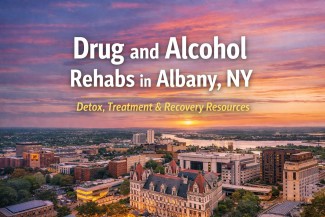
Drug and Alcohol Rehabs in Albany, NY: Detox, Treatment, and Recovery Resources
Medically Reviewed by Brandon McNally, RN | Last updated: July 4, 2026
People searching for drug and alcohol rehabs in Albany, NY often need immediate help locating detox programs, inpatient rehabilitation centers, and recovery support services throughout Upstate New York.
Substance use disorders continue to affect individuals and families throughout the Capital Region. People searching for drug and alcohol rehabs in Albany, NY are often looking for immediate help with detox, inpatient rehab, outpatient care, and insurance-supported treatment options. The New York State Office of Addiction Services and Supports (OASAS) certifies treatment providers statewide, and FindTreatment.gov, operated by SAMHSA, allows anyone to search verified programs by location and level of care.
Albany is closely connected to Troy, Schenectady, Saratoga Springs, and the broader Upstate New York region. Because of that, many people seeking treatment in Albany also consider programs and recovery resources across the Capital Region, including treatment navigation services that help connect individuals and families with detox programs, rehab options, and recovery support services throughout Upstate New York.
Understanding Drug and Alcohol Rehab Options in Albany, NY
There are several levels of addiction treatment available for people in and around Albany. The right level of care depends on the severity of substance use, medical needs, mental health concerns, and whether detox is required before entering treatment.
Common Levels of Care for Addiction Treatment
- Medical detox
- Inpatient rehabilitation
- Residential treatment
- Outpatient treatment
- Intensive outpatient programs (IOP)
- Intervention and family support services
Individuals exploring treatment across the region can learn more about Drug Rehab Centers in Upstate New York and available recovery resources.
Medical Detox Programs Near Albany
For many individuals, recovery begins with detox. Medical detox allows the body to safely withdraw from drugs or alcohol while symptoms are monitored by medical professionals. This is especially important for substances like alcohol, opioids, benzodiazepines, and certain prescription medications.
Those looking for detox support can review how medically supervised withdrawal works through FindTreatment.gov and what to expect during the process.
Alcohol Detox
Alcohol withdrawal can become dangerous without proper medical supervision. Symptoms may include tremors, anxiety, seizures, and delirium tremens. The National Institute on Alcohol Abuse and Alcoholism recommends medical evaluation before stopping heavy, prolonged alcohol use.
Opioid, Heroin, and Fentanyl Detox
Opioid withdrawal often leads to severe discomfort, cravings, insomnia, and flu-like symptoms. People dealing with opioid dependence may benefit from specialized detox services for opioids, heroin, and fentanyl. The fentanyl crisis in the Capital Region has made access to medically supervised opioid detox critically important for individuals in Albany and surrounding areas.
Benzodiazepine and Prescription Drug Detox
Benzodiazepine withdrawal can also be medically risky and often requires a supervised taper. People withdrawing from medications like Xanax may need clinical monitoring throughout the process. For clinical background, see Xanax Bars: Types, Colors, Slang, Risks & Treatment and Xanax vs Valium vs Ativan vs Klonopin: Key Differences.
Methamphetamine and Stimulant Detox
Methamphetamine and other stimulant use disorders present unique challenges during withdrawal, including depression, fatigue, and intense cravings. Individuals can explore evidence-based approaches to stimulant withdrawal management through resources from the National Institute on Drug Abuse.
Inpatient Drug and Alcohol Rehab in the Albany Area
After detox, many individuals move into inpatient treatment. Inpatient rehab provides a structured setting where clients can focus fully on recovery, receive individual and group therapy, and build relapse prevention skills in a supportive environment.
People considering residential care can explore inpatient drug rehab programs and residential treatment options as part of a long-term recovery plan.
Benefits of Inpatient Rehab
- 24/7 structured clinical support
- Individual therapy and group counseling
- Comprehensive mental health assessment and dual diagnosis treatment
- Relapse prevention planning and aftercare coordination
- Family involvement and evidence-based addiction therapy
Outpatient and Intensive Outpatient Programs
Not every individual requires inpatient treatment for the full duration of recovery. Many people benefit from outpatient programs after detox or inpatient rehab. These programs allow individuals to continue treatment while maintaining work, school, or family obligations.
Options may include outpatient addiction treatment and intensive outpatient programs (IOP). IOP typically involves three to five sessions per week, each lasting several hours, combining group therapy, individual counseling, and relapse prevention training.
Medication-Assisted Treatment (MAT)
Medication-assisted treatment combines FDA-approved medications with behavioral therapy to treat opioid and alcohol use disorders. MAT medications such as buprenorphine (Suboxone), methadone, and naltrexone help reduce cravings and withdrawal symptoms, improving treatment retention and recovery outcomes. SAMHSA's overview of medications for substance use disorders explains how each medication works. For clinical perspectives on buprenorphine, see Signs Your Suboxone Dose Is Too Low (Cravings, Withdrawal & What to Do) and Does Suboxone Help With Kratom Dependence?
Insurance Coverage for Drug and Alcohol Rehab
Cost is one of the most common concerns for families seeking treatment. Many rehab programs accept insurance for detox, inpatient care, outpatient services, and medication-assisted treatment.
Insurance Plans Commonly Accepted for Rehab in New York
- NYSHIP (New York State Health Insurance Program)
- Aetna
- Cigna
- United Healthcare
- Blue Cross Blue Shield
Under the federal Mental Health Parity and Addiction Equity Act, most plans are required to cover substance use disorder treatment comparably to other medical care. Always verify benefits directly with your plan before admission.
Intervention and Family Support Services
Addiction affects the whole family. Loved ones often search for guidance when someone is unwilling or unable to seek treatment on their own. Family intervention and recovery planning can play an important role in helping someone enter care.
People seeking support for a loved one can learn more about professional addiction intervention services, as well as recovery-focused services like sober coaching and recovery support, sober companions, and sober transport services.
Substance-Specific Treatment Resources
Addiction treatment should be tailored to the specific substance involved and the individual's clinical needs. The following categories cover treatment approaches for commonly misused substances:
Opioid and Prescription Drug Treatment
- Hydrocodone addiction treatment
- Codeine addiction treatment
- Roxicodone (Roxy) addiction treatment
- Fentanyl addiction treatment
- Heroin addiction treatment
Stimulant and Other Drug Treatment
- Adderall addiction treatment
- Cocaine addiction treatment
- Methamphetamine addiction treatment
- Hallucinogen addiction treatment
- Kratom addiction and withdrawal — for a clinical overview of concentrated kratom-derived opioids, see What Is 7-OH? The Emerging Opioid Threat Addiction Professionals Need to Understand in 2026
Alcohol and Sedative Treatment
- Alcohol addiction treatment programs
- Benzodiazepine addiction treatment
- Xanax addiction treatment
Drug and Alcohol Rehab Resources Across Upstate New York
Many individuals searching for treatment in Albany are also open to care in nearby cities and across the wider region. Upstate New York offers access to detox centers, residential treatment programs, outpatient care, and addiction recovery support.
For broader regional information, the OASAS treatment directory lists certified providers in every New York county.
Additional Treatment and Educational Resources
- Addiction treatment resource centers and program overviews
- Drug detox center resource guides
- Chemical dependency evaluations
- Substance abuse evaluation resources
- SMART Recovery programs and support
- Therapy for addiction and co-occurring disorders
Addiction Treatment Resources in the Albany and Troy Region
Individuals searching for drug and alcohol rehabs in Albany NY often explore treatment programs throughout the Capital Region including Albany, Troy, and Schenectady. One resource that helps individuals locate detox programs and rehabilitation services across Upstate New York is Every1 Center, which works with families to identify appropriate addiction treatment options, verify insurance coverage, and coordinate admissions.
Local information about the organization can also be found through the Every1 Center on Google Maps, which provides location details, reviews, and contact information for individuals seeking recovery support in the Capital Region.
Every1 Center | Inpatient Detox and Drug & Alcohol Rehab
8 Shepherd Dr Suite 2
Troy, New York 12180
Phone: (518) 714-0355
To speak with a recovery specialist or begin the admissions process, call (518) 714-0355.
Conclusion
Finding the right drug and alcohol rehab in Albany, NY can be overwhelming, especially for individuals and families facing urgent addiction concerns. Medical detox, inpatient rehab, outpatient programs, insurance support, medication-assisted treatment, and intervention services all play important roles in the recovery process.
Start with your insurance plan, the OASAS provider directory, or FindTreatment.gov. Treatment navigation resources serving Albany, Troy, and the wider Upstate New York region can help connect individuals with detox programs, rehabilitation services, and insurance-supported recovery resources.
References
- New York State Office of Addiction Services and Supports (OASAS). Find Treatment in New York State.
- Substance Abuse and Mental Health Services Administration. FindTreatment.gov.
- SAMHSA. National Helpline — 1-800-662-HELP (4357).
- SAMHSA. Medications for Substance Use Disorders.
- National Institute on Drug Abuse. Principles of Drug Addiction Treatment.
- National Institute on Alcohol Abuse and Alcoholism. The Healthcare Professional's Core Resource on Alcohol.
Disclaimer
This article is for informational and professional education purposes only and does not constitute medical, legal, or financial advice. Treatment decisions should be made in consultation with a licensed healthcare provider. Always verify insurance benefits directly with your plan or provider. If you are experiencing a medical emergency, call 911 immediately.
About the Author
Benjamin Zohar is a Nationally Certified Advanced Clinical Intervention Professional (NCACIP) and the ISSUP New York Network Moderator. He is the founder of Every1 Center, a treatment navigation and placement service based in Troy, NY, and operates Intervention NY, providing professional intervention services throughout New York State. He is an active member of NAADAC and contributes to professional education on intervention best practices, treatment navigation, and addiction recovery.
Medical Reviewer: Brandon McNally, RN is a registered nurse with clinical experience in critical care medicine and behavioral health. He provides independent medical review of addiction and substance use educational content to ensure clinical accuracy.