
Does NYSHIP Cover Rehab? Empire Plan Detox, Inpatient & Outpatient Coverage
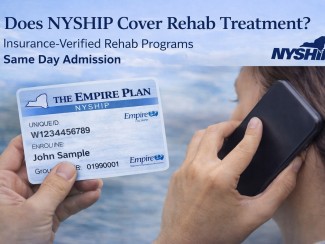
Learn how NYSHIP Empire Plan covers detox, inpatient rehab, outpatient treatment, and out-of-network addiction care. Includes New York resources, FAQs, and treatment planning guidance.
Does NYSHIP cover drug and alcohol rehab?
Yes. NYSHIP (Empire Plan) typically covers addiction treatment, including medical detox, inpatient rehabilitation, and outpatient care. Coverage depends on medical necessity, provider network status, prior authorization requirements, and whether a program is in-network or out-of-network.
Does NYSHIP cover detox?
Yes. Medically supervised detox is generally covered when clinically necessary and approved under the plan.
Does NYSHIP cover inpatient rehab?
Yes. Inpatient and residential treatment may be covered when medically necessary, with length of stay based on clinical review.
Does NYSHIP cover outpatient treatment?
Yes. Outpatient counseling, Intensive Outpatient Programs (IOP), and other step-down services are often covered depending on the specific plan and authorization requirements.
What Is NYSHIP Empire Plan Coverage?
The New York State Health Insurance Program (NYSHIP) provides health coverage for public employees, retirees, and their dependents. The Empire Plan includes behavioral health and substance use disorder benefits that may apply to detox, inpatient rehabilitation, outpatient treatment, medication-assisted treatment, and family counseling.
For New York families facing urgent addiction-related decisions, understanding what is covered is only part of the process. It is equally important to understand what level of care is clinically appropriate, whether prior authorization is required, and whether a facility is in-network or out-of-network.
What Does NYSHIP Cover for Addiction Treatment?
Medical Detox
NYSHIP may cover medically supervised detox when withdrawal management is clinically necessary. This is especially important for alcohol, benzodiazepines, opioids, and other substances where withdrawal can be medically significant.
Inpatient and Residential Rehab
Inpatient and residential treatment may be covered under NYSHIP when medical necessity criteria are met. In many cases, coverage for inpatient care is reviewed on an ongoing basis rather than approved for a fixed duration upfront.
Outpatient Treatment
Outpatient care may include structured counseling, Intensive Outpatient Programs (IOP), Partial Hospitalization Programs (PHP), and ongoing recovery support. Outpatient coverage is typically based on clinical need rather than a fixed number of days.
Family Counseling
Family counseling may also be included under Empire Plan behavioral health benefits. Coverage specifics depend on the plan structure and authorization requirements in place at the time services are provided.
Medication-Assisted Treatment
NYSHIP may also cover medications used in addiction treatment, including medications used in detox and ongoing recovery planning, when prescribed and clinically appropriate.
How Long Does NYSHIP Cover Rehab?
NYSHIP coverage for rehab is generally tied to medical necessity, not a fixed universal schedule. Inpatient treatment may be covered for a period determined by clinical severity, progress, and utilization review. Outpatient care does not always have a fixed length and may continue as long as treatment remains clinically appropriate.
Because treatment length varies by plan and by individual case, families should verify benefits before admission and review both in-network and out-of-network implications.
In-Network vs. Out-of-Network Under NYSHIP
One of the most important questions for NYSHIP members is whether a treatment provider is in-network or out-of-network. In-network facilities usually result in lower out-of-pocket costs. Out-of-network programs may still be accessible depending on the plan, but costs and reimbursement structures can be significantly different.
Carelon Behavioral Health (formerly Beacon) coverage for substance use disorder treatment varies by plan. Some treatment centers market themselves through Carelon-related insurance language, but that does not automatically mean a program is in-network for every NYSHIP member. Families should verify whether a provider is being considered on an out-of-network basis before admission.
Why Independent Clinical Guidance Matters
Many insurance-related rehab pages are written to funnel families into a specific admissions process. A better approach is to start with the clinical question first:
- Is detox needed?
- Is inpatient or residential treatment clinically appropriate?
- Would IOP or outpatient care be sufficient?
- Is the provider in-network or out-of-network under NYSHIP?
- Will prior authorization delay care?
That is why independent educational resources matter. For additional context on how NYSHIP coverage intersects with clinical decision-making, see this ISSUP article on NYSHIP Empire Plan coverage for addiction treatment.
Long Island and New York Resources
For Long Island readers, you can also review:
- NYSHIP insurance coverage on LongIsland.Rehab
- Finding drug rehab programs accepting NYSHIP
- Additional ISSUP coverage and recovery context
These resources help reinforce the difference between general insurance information and clinically guided decision-making around detox, inpatient treatment, outpatient services, and recovery support.
Examples of Programs Families May Research
Some families also research out-of-state or specialty programs while comparing NYSHIP coverage, reimbursement, and out-of-network implications. Examples include:
- New Jersey Behavioral Health Center
- Campus Recovery Center in Florida
- Never Alone - Adolescent Addiction Treatment Center in Hurley, New York
These types of programs may be considered by families for specialty needs, geography, age-specific services, or out-of-network treatment planning. Coverage and reimbursement should always be verified directly before admission.
Frequently Asked Questions About Using NYSHIP for Rehab
Does NYSHIP cover drug and alcohol rehab?
Yes. NYSHIP generally covers detox, inpatient rehab, and outpatient addiction treatment when services are medically necessary and consistent with plan rules.
Does NYSHIP cover detox in New York?
Yes. Medical detox is commonly covered when clinically necessary, though authorization and network status still matter.
Does NYSHIP cover inpatient rehab?
Yes. Inpatient and residential care may be covered based on medical necessity, utilization review, and plan requirements.
Does NYSHIP cover IOP and outpatient care?
Yes. Intensive Outpatient Programs, PHP, counseling, and other outpatient services are often covered depending on the specific benefits structure.
How long does NYSHIP cover rehab?
Coverage length varies. Inpatient treatment is usually reviewed according to medical necessity, while outpatient care may continue as long as it remains clinically appropriate.
Do I need prior authorization for NYSHIP rehab?
In many cases, yes. Prior authorization may be required for higher levels of care, particularly inpatient and residential services.
Does NYSHIP cover out-of-network rehab?
It may, depending on the plan. However, out-of-network treatment often involves higher out-of-pocket costs, different reimbursement rules, and more complicated benefit review.
What is the difference between in-network and out-of-network treatment?
In-network care usually lowers out-of-pocket costs because the provider has a contractual relationship with the insurer. Out-of-network care may still be accessible, but families should verify costs, reimbursement, and authorization before admission.
Can NYSHIP cover adolescent addiction treatment?
Coverage may apply to adolescent behavioral health and substance use treatment depending on plan structure, medical necessity, and the type of program being considered.
Where can I verify a New York treatment provider?
Use the official New York State directory here: Find Addiction Treatment NY.
Conclusion
NYSHIP Empire Plan coverage can provide meaningful access to addiction treatment, but the most important questions are not just whether treatment is covered. Families also need to know what level of care is appropriate, whether prior authorization applies, whether the provider is in-network or out-of-network, and how to move quickly when care is urgent.
For readers comparing programs in New York, Long Island, New Jersey, or Florida, the safest approach is to combine insurance verification with clinical guidance and transparent review of out-of-network implications.