
Faith, Church and Community: Strengthening Responses to Substance Use and Drug Related Issues
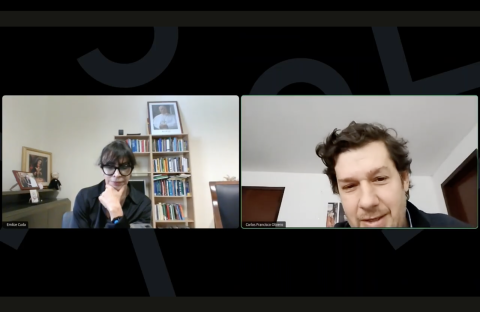
ISSUP was pleased to host a global webinar titled “Faith Communities and Religion in Addressing Substance Use” bringing together a diverse audience of professionals working in substance use and drug-related crime issues, alongside community and religious leaders, policymakers, and researchers.
The strong participation highlighted the importance of coordinated, inter-sectoral approaches to addressing substance use in a comprehensive and sustainable way.
At ISSUP, we remain committed to strengthening the global workforce and promoting evidence-informed practices across the full continuum of care, from prevention and early intervention to treatment, recovery, and the reduction of drug-related crimes. At the same time, we recognise that strong responses require meaningful community engagement.
This webinar focused on the critical role that faith and religious communities play within this process. These actors often provide trusted spaces, social support, and a sense of belonging—key elements not only for recovery, but also for prevention and reducing vulnerability to substance use and its social consequences.
The discussion emphasised the importance of building bridges between science, policy, and community-based responses, ensuring that approaches are both evidence-informed and culturally relevant.
We were honoured to welcome two distinguished speakers:
- Father Charly Olivero, a Catholic priest from Argentina and a leading figure in community-based responses to substance use and social exclusion. He is the founder of Centro Barrial San Alberto Hurtado and a founding member of Familia Grande Hogar de Cristo, a network of over 300 recovery centers across Argentina.
- Dr. Emilce Cuda, Secretary of the Pontifical Commission for Latin America and Professor at Loyola University Chicago. A specialist in social ethics and Catholic social thought, her work focuses on social justice, inequality, and the role of faith-based institutions in addressing contemporary challenges.
Together, they shared valuable insights into how faith, community, and professional systems can collaborate to strengthen prevention, support recovery, and build safer, healthier communities.
Key Takeaways
- Substance use is not an individual issue, but a deeply social phenomenon shaped by community and context.
- Faith-based spaces should serve as safe environments: “families that embrace”, offering belonging, care, and long-term support.
- There is a pressing need to integrate technical, evidence-informed knowledge with community wisdom, faith, spirituality and lived experience.
- Building bridges between professionals and communities is both a challenge and an opportunity for more effective and inclusive systems of care.
ISSUP reaffirms its commitment to fostering global dialogue and strengthening workforce capacity through initiatives like this webinar.
We extend our sincere thanks to our speakers and participants for their valuable contributions, and we invite you to stay connected with ISSUP for future events and resources.
- ISSUP members can join Networks to comment – Sign in or become a member