
ISSUP International Experts Network Meeting Explores Emerging Drug Trends and Strengthens Regional Collaboration in Asia-Pacific
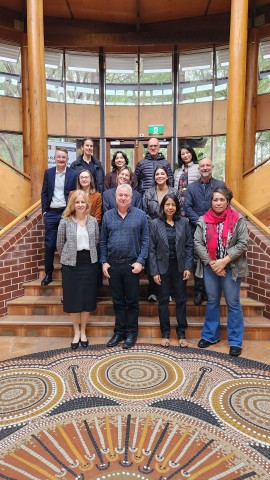
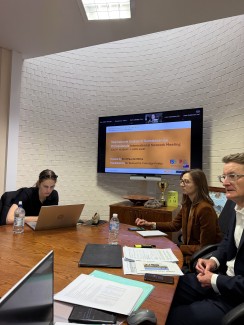
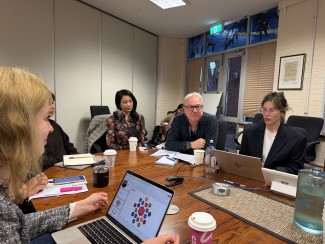
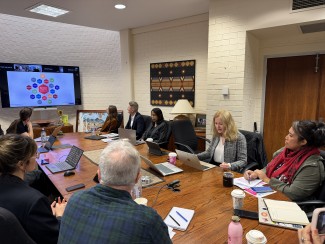
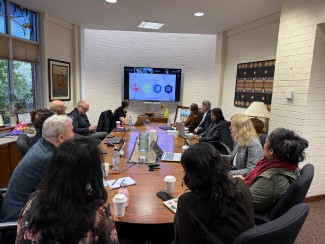
On 3 July 2026, ISSUP held an International Experts Network Meeting, hosted by ISSUP Australia and ISSUP New Zealand, titled Implications and Opportunities for Capacity Building and Networking Arising from Developments in Drug Availability and Use, with a special focus on the Asia-Pacific region.
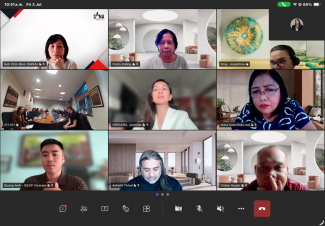
Held alongside the ISSDP 2026 Conference, the meeting brought together experts and representatives from ISSUP National Chapters across Asia and the Pacific to discuss emerging drug trends, identify regional priorities, and explore opportunities for collaboration and workforce development.
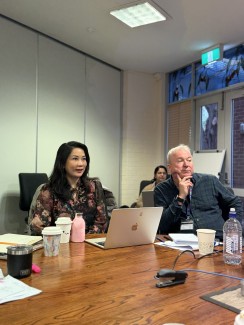
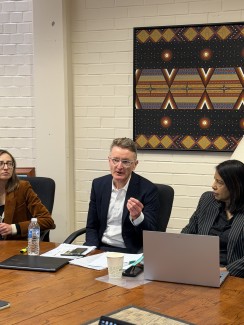
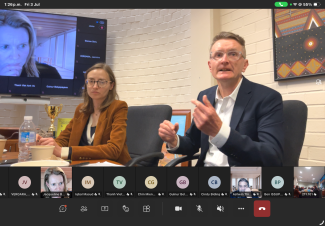
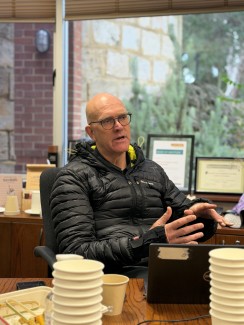
Hosted by Professor Paul Griffiths, Director of the National Drug Research Institute at Curtin University, and facilitated by Dr. Sam Colledge-Frisby, the meeting provided a platform for participants to examine how changes in drug availability and patterns of use are shaping the needs of the substance use workforce across the region.
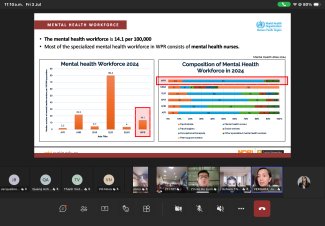
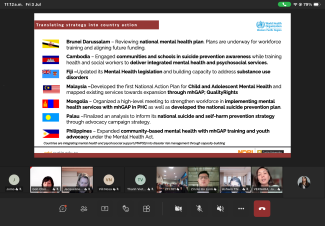
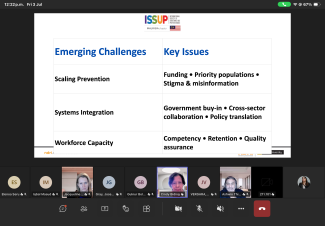
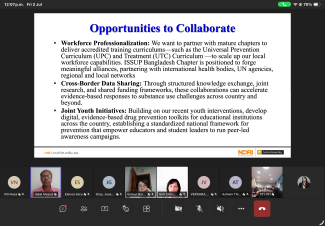
As part of the programme, Dr. Olha Myshakivska, ISSUP Regional Coordinator for Asia and the Pacific, delivered a brief overview of ISSUP's work in the region, highlighting the network’s mission, ongoing initiatives, and key areas of interest for strengthening regional cooperation and professional development.
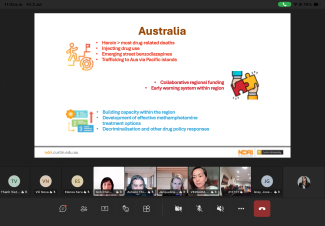
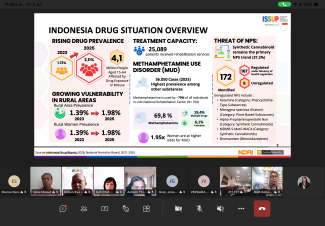
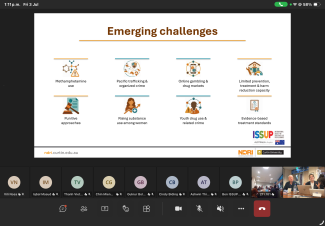
The discussions reflected the growing importance of cross-border collaboration in responding to evolving drug markets, emerging public health challenges, and youth engagement in international drug trafficking. Participants exchanged experiences from their respective countries and identified common priorities for future cooperation.
A key outcome of the meeting was the shared commitment of ISSUP National Chapters across Asia and the Pacific to strengthen regional collaboration through joint activities, enhanced knowledge exchange, and coordinated capacity-building efforts. Particular emphasis was placed on supporting the development of Early Warning Systems, strengthening the substance use workforce, sharing evidence and expertise, and joining forces to address emerging challenges across the region.
The meeting reinforced the value of regional networks in promoting evidence-informed practice and highlighted the important role that collaboration plays in building a stronger, more connected workforce capable of responding to changing drug-related issues throughout the Asia-Pacific region.

- ISSUP members can join Networks to comment – Sign in or become a member