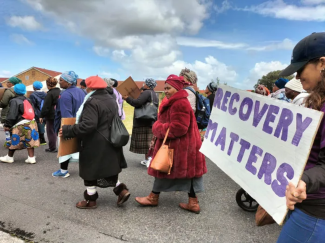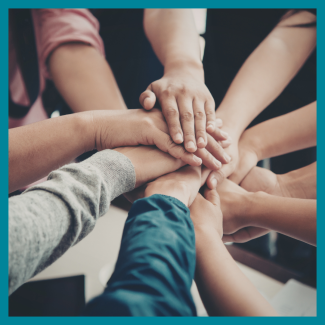
The range of services, programmes, and community resources that help individuals sustain recovery and improve their health, wellbeing, and quality of life after or alongside treatment for substance use disorders. These supports may include peer support, recovery coaching, mutual-help groups, housing assistance, employment services, family support, and community-based recovery programmes. Recovery support recognises that recovery is an ongoing process and that long-term wellbeing often requires continued social, practical, and emotional support. By strengthening personal resilience, social connections, and opportunities for reintegration, recovery support plays an important role in comprehensive responses to substance use.
Recovery Support
Wellness Recovery Action Plan – A Strengths-Based Recovery Tool
The Wellness Recovery Action Plan (WRAP) is a structured, self-management tool for substance use and mental health. It was developed by Mary Anne Copeland in the early 1990s, based on the lived experiences of people in recovery, and focused...
Inclusive Recovery Cities – Creating a Thriving Recovery Ecosystem
Inclusive Recovery Cities was developed by Professor David Best and Professor Charlotte Colman, based on the idea that recovery from substance use and alcohol is not limited to the individual or to clinical treatment, but is about...
CHIME and Addiction Recovery: Understanding What Helps People Build Recovery
When we talk about recovery, we no longer look at only stopping substance use, abstinence or sobriety alone. The remission of symptoms is only one aspect of the process, and even that is sometimes debated in the research. Recovery is...
Recovery Capital
Recovery capital includes all the internal and external resources that a person has at their disposal to help them get engaged in and subsequently build and strengthen their recovery. The more recovery capital one has, the stronger their...
A Shared Understanding - A consensus definition of recovery
Recovery in the context of substance use is generally recognised as a process of change through which individuals improve their health and wellness, live self-directed lives, and strive to reach their full potential. This definition...
META:PHI Virtual Conference 2026
META:PHI is a provincial initiative to support health care providers working with people who use substances through education, mentorship, advocacy, and clinical tools. Our annual conference is one of the highlights of our year, as it presents an opportunity for members of our community across the province and beyond to come together and learn from each other.
Supporting people and families affected by gambling-related harm
Adfam organises forum events for practitioners and professionals with an interest in supporting families affected by substance use or gambling.
At each forum we focus on a unique topic relating to families and substance use, inviting a guest speaker with expertise in that topic, followed by a Q&A and wider discussion.
Measuring meaningful outcomes in research into pharmacotherapies for people living with methamphetamine dependence: Findings from a systematic review, and lived and living experience perspectives
Time: April 23, 2026 @ 12PM Australian Eastern Standard Time
Understanding alcohol use disorder and help-seeking in a Hispanic faith-based community
Abstract Introduction Hispanic Americans are disproportionately affected by alcohol use disorders (AUD) yet many are reluctant to seek alcohol treatment. Faith-based communities could serve as an effective setting for raising awareness and...
Path to Freedom: Buddhist Psychology for Addiction Recovery - Course Syllabus
This course is designed to complement and strengthen existing training curricula in addiction prevention and recovery by providing a deeper, structured understanding grounded in Buddhist psychology. It builds upon and further advances...