Evidence-informed strategies and interventions designed to reduce the likelihood of substance use and related harms. Prevention efforts aim to reduce risk factors and strengthen protective factors at the individual, family, community, and societal levels. These approaches may include education, family and school-based programmes, community initiatives, and policies that promote healthy environments. Prevention can be universal (targeting entire populations), selective (targeting groups at higher risk), or indicated (targeting individuals already showing early signs of risk). By addressing the factors that influence substance use before problems develop or escalate, prevention plays a key role in comprehensive responses to substance use disorders and related social and health challenges.
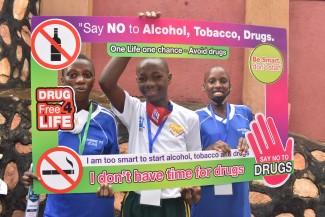
Prevention
Policy Change to Support Development of Academic Programs in addiction studies, and Enhance Addiction Prevention and Treatment Services.
Presenter: Zall Kepli Md Rejab, Ph.D,
Co-Presenter: Saddiqua Aishaa (PGDAS Alumni/ ICUDDR Global Trainer)
Moderator: Jessica Keene
11/30/2020 at 11:00am-12:00pm (Malaysia)
Location: Webinar
Contact Name: Cary Hopkins Eyles
Awareness Week on Alcohol Related Harm
Webinar: Preventive policies in higher education: creating preventive contexts
ISSUP Chile invites you to participate in a webinar presenting the results of the latest study on substance use in higher education students in Chile.
The webinar will take place on Thursday, December 1, 2020 at 1:00 p.m. (Chile time).
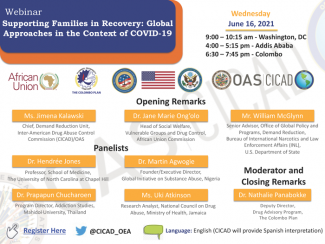
Webinar | Family Based Interventions during COVID-19 in a Low Resource Setting
UNODC Listen First Campaign
Prevention Nuggets
Launch of the 2019 ESPAD Report
The most recent report of the European School Survey Project on Alcohol and Other Drugs (ESPAD) will be published on 12 November 2020. The ESPAD Report 2019 is based on a 2019 survey in 35 Europen countries. ESPAD has been collecting data through school surveys every four years since 1995. Further iinformation is available on the ESPAD website.