The range of medical, psychological, and social services designed to help individuals reduce or stop substance use and manage substance use disorders. Treatment may include assessment, counselling and behavioural therapies, medication-assisted treatment, withdrawal management, and support for co-occurring mental or physical health conditions. Effective treatment is typically person-centred and evidence-informed, and may be provided in outpatient, community, or residential settings. Treatment aims to improve health and functioning, reduce substance-related harms, and support individuals in moving toward recovery and long-term wellbeing.
Treatment
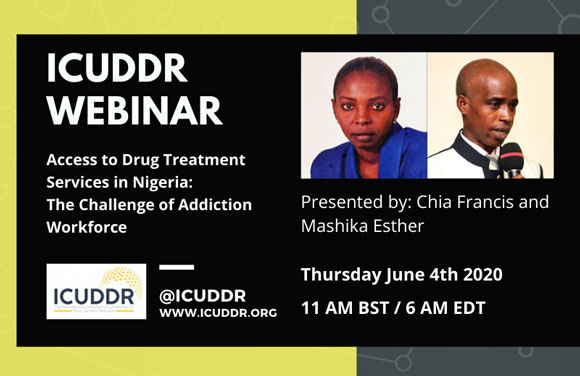
Drug Treatment and COVID-19 Pandemic in Indonesia
Since the first case of COVID-19 was discovered in Indonesia and officially announced by the President of the Republic of Indonesia H.E. Joko Widodo on March 2nd, 2020 and followed by the declaration from the World Health Organisation (WHO)...
Treatment Improvement Protocol 63: Medications for Opioid Use Disorder
The goal of treatment for opioid addiction or opioid use disorder (OUD) is remission of the disorder leading to lasting recovery. Recovery is a process of change through which individuals improve their health and wellness, live self...
COVID-19 Surveys on Substance Misuse and Related Issues: Collective Voice
A number of organisations have issued surveys to gather information from across different support services and individuals to assess the impact of COVID-19. Collective Voice, the national alliance of drug and alcohol treatment charities in...
Video: El sistema de tratamiento en Chile - Situación actual y los desafíos futuros
El 30 de abril de 2020, el ISSUP Chile en colaboración con ISSUP global organizó un webinar sobre 'El sistema de tratamiento en Chile: Situación actual y los desafíos futuros'. Expositor: Carlos Charme Fuentes Director Nacional Servicio...
At the Crux: The Encounter between Clinician and Client. Effectiveness Bank Alcohol Treatment Matrix Cell B2
AT THE CRUX: THE ENCOUNTER BETWEEN CLINICIAN AND CLIENT Influences explored across the Matrix come to a head in the encounter between clinician and client. Take a step back and (in the words of one of this cell’s reviews) you will see that...
UNODC’s Prevention, Treatment and Rehabilitation Section presented on the Global Experience by UNODC, during the International Society of Addiction medicine (ISAM) Practice and Policy Interest Group Webinar Series on COVID-19 and SUD
UNODC’s Prevention, Treatment and Rehabilitation Section (PTRS) presented on the Global Experience by UNODC, during the International Society of Addiction medicine (ISAM) Practice and Policy Interest Group Webinar Series on COVID-19 and SUD...
Official Ceremony to Hand Over Certificates to 18 Treatment Professionals that Successfully Passed the UTC ICAP 1 Examination in Côte d'Ivoire
As part of efforts to professionalize the treatment and care of drug use disorders and the dissemination of effective evidence-based interventions, 18 out of 23 treatment professionals successfully passed the accreditation examination (78%...
Longitudinal Assessment of Mental Health Disorders and Comorbidities Across 4 Decades Among Participants in the Dunedin Birth Cohort Study
Abstract Importance: Mental health professionals typically encounter patients at 1 point in patients’ lives. This cross-sectional window understandably fosters focus on the current presenting diagnosis. Research programs, treatment...
Long-Term Effectiveness and Cost-Effectiveness of Videoconference-Delivered Cognitive Behavioral Therapy for Obsessive-Compulsive Disorder, Panic Disorder, and Social Anxiety Disorder in Japan: One-Year Follow-Up of a Single-Arm Trial
ABSTRACT Background: Face-to-face individual cognitive behavioral therapy (CBT) and internet-based CBT (ICBT) without videoconferencing are known to have long-term effectiveness for obsessive-compulsive disorder (OCD), panic disorder (PD)...