The range of medical, psychological, and social services designed to help individuals reduce or stop substance use and manage substance use disorders. Treatment may include assessment, counselling and behavioural therapies, medication-assisted treatment, withdrawal management, and support for co-occurring mental or physical health conditions. Effective treatment is typically person-centred and evidence-informed, and may be provided in outpatient, community, or residential settings. Treatment aims to improve health and functioning, reduce substance-related harms, and support individuals in moving toward recovery and long-term wellbeing.

Treatment
Why Is England’s Alcohol Caseload Shrinking? An Effectiveness Bank Hot Topic Highlight
WHY IS THE ALCOHOL CASELOAD SHRINKING? The steady decline since 2013/14 in England’s alcohol treatment caseload has worried Public Health England among others. Is it because need for treatment is declining too, or have austerity-driven...
Mindfulness to Treat Addiction
Mindfulness is a concept that has gained significant popularity over the past few years that involves the practice of being fully present. Mindfulness involves the nonjudgmental awareness of thoughts, feelings, and surroundings. Mindfulness...
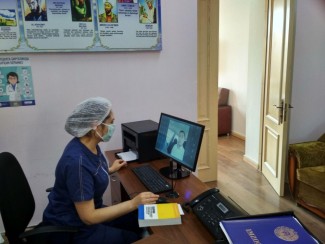
UNODC Trained Treatment and Care Professionals Providing Valuable Support to People with Drug Use Disorders in Bukhara Region of Uzbekistan during COVID-19
Introduction of the quarantine measures in Bukhara Region, Uzbekistan made it extremely difficult to provide drug dependence treatment services to the population of the region. This negatively affected the quality of life of people with...
Do we know how to *make* a service engaging and effective? Highlight from Effectiveness Bank Alcohol Treatment Matrix cell D2
DO WE KNOW HOW TO *MAKE* A SERVICE ENGAGING AND EFFECTIVE? Focus is on the section of last week’s matrix cell release which moved on from *describing* effective treatment services to *generating* such services, along the way encountering an...
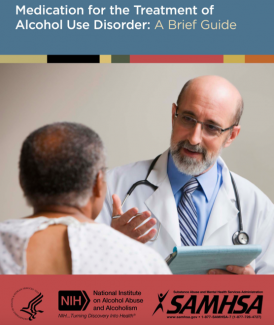
Medication for the Treatment of Alcohol Use Disorder: A Brief Guide
Current evidence shows that medications are underused in the treatment of alcohol use disorder, including alcohol abuse and dependence. Although many experts in addiction believe that patients with moderate or severe alcohol-related...
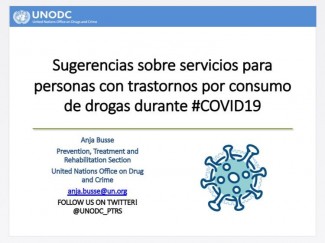
UNODC webinar on good practices in mental health care in Ecuadorian residential centers in context of COVID-19
Measures taken to contain the COVID-19 health crisis brought additional challenges for mental health professionals to continue providing residential services in Ecuador. In this context, the framework of the menu of services signed by the...
UNODC Prevention, Treatment & Rehabilitation Section: Questionnaire on COVID-19 and Drug Use Disorder Treatment Services
The Prevention, Treatment & Rehabilitation Section (PTRS) of UNODC developed a questionnaire to gather insights into the current challenges and responses to COVID-19 and the continuity of drug treatment services. The questionnaire is...
Guidance for Mental Health and Psychosocial Support for COVID-19
This document provides guidance to African Union Member States on key mental health and psychosocial support (MHPSS) considerations in relation to the coronavirus disease 2019 (COVID-19) pandemic. It contains useful guidance on MHPSS for...
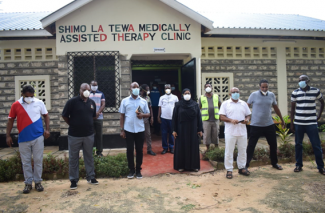
Drug Use and COVID-19 in Prisons: First Clinic Dedicated to the Treatment of People Living in Prisons with Opioid Use Disorders in Kenya
In 2018, Mombasa planned to set up a methadone programme for heroin injecting drug users living in prisons. As a follow up, UNODC worked together with the County of Mombasa and the Kenya Prison Service in 2019, to support and expand...
Illicit Drug Trafficking and Use in Libya: Highs and Lows
Following the overthrow of Muammar Gadhafi in 2011, Libya has faced security and economic challenges. Drug trafficking and consumption have also increased significantly over the past years. This report by the U.S. Institute of Peace...