The range of medical, psychological, and social services designed to help individuals reduce or stop substance use and manage substance use disorders. Treatment may include assessment, counselling and behavioural therapies, medication-assisted treatment, withdrawal management, and support for co-occurring mental or physical health conditions. Effective treatment is typically person-centred and evidence-informed, and may be provided in outpatient, community, or residential settings. Treatment aims to improve health and functioning, reduce substance-related harms, and support individuals in moving toward recovery and long-term wellbeing.
Treatment
Blogpost: Let’s Address Four Common Myths About Harm Reduction
This is a blogpost written by Khary Rigg and Steven Proctor: The US has historically been resistant to supporting harm reduction programs for people who use drugs. While some object to harm reduction approaches on ideological grounds—i.e...
Effectiveness Bank Additions: Therapy Relationships that Work 2: Elements of the Alliance
Second of four bulletins recapping 16 reviews for the American Psychological Association featuring expert advice and amalgamations of research findings on different aspects of the client-therapist relationship. With the overview of the...
Cross-Cultural Applicability of the 12-Step Model: A Comparison of Narcotics Anonymous in the USA and Iran
Abstract Objective: Narcotics Anonymous (NA), a nonprofessional 12-step fellowship for people seeking recovery from addiction, reports 27,677 meetings in the USA, where it was founded, but there is limited literature on its adaptability...
Drogodependencia asociado a baja adherencia a la terapia antiretroviral de gran actividad en el Hospital Loayza 2013 -2015
RESUMEN Objetivo: Conocer si existe asociación entre mala adherencia anual a la Terapia Antiretroviral de Gran Actividad (TARGA) y la dependencia al alcohol y/o drogas a los dos años de tratamiento. Junio 2013 a Junio 2015. Métodos de...
Effectiveness Bank Additions: Therapy Relationships that Work 1: The Alliance
First of four bulletins recapping 16 reviews for the American Psychological Association featuring expert advice and amalgamations of research findings on different aspects of the client-therapist relationship. With the overview of the...
Effectiveness Bank Analysis: Do Interventions to Reduce Alcohol-Related Harms also Reduce Domestic Abuse?
In celebration of International Women’s Day we are highlighting studies throughout the month of March that further our understanding of how sex and gender influence the course of addiction and treatment, with a particular focus on women...
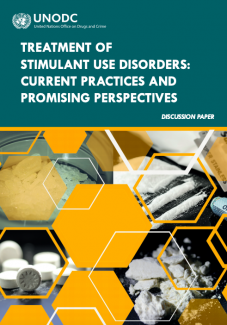
Treatment of Stimulant Use Disorders: Current Practices and Promising Perspectives
UNODC has put together a discussion paper that aims to raise awareness about the latest scientific evidence concerning the treatment of psychostimulant use disorders.
ADGRL3 (LPHN3) Variants Predict Substance Use Disorder
Abstract Genetic factors are strongly implicated in the susceptibility to develop externalizing syndromes such as attention-deficit/hyperactivity disorder (ADHD), oppositional defiant disorder, conduct disorder, and substance use disorder...
Effectiveness Bank Analysis: “The Relationship Can Heal”
I mpressively wise , unprecedentedly comprehensive, backed by the American Psychological Association , and based on expert assessments and 16 new evidence reviews, the overview featured in this analysis has claims to being the single most...
UNODC Information and Education Material
UNODC has compiled a selection of educational materials and flyers that provide information on drug dependence treatment and care. The resource has been translated into several languages and covers topics including: patient rights and...