The range of medical, psychological, and social services designed to help individuals reduce or stop substance use and manage substance use disorders. Treatment may include assessment, counselling and behavioural therapies, medication-assisted treatment, withdrawal management, and support for co-occurring mental or physical health conditions. Effective treatment is typically person-centred and evidence-informed, and may be provided in outpatient, community, or residential settings. Treatment aims to improve health and functioning, reduce substance-related harms, and support individuals in moving toward recovery and long-term wellbeing.
Treatment
Adiktologie Journal
Adiktologie is an international journal devoted to publishing peer-reviewed interdisciplinary and transdisciplinary scientific reports on psychoactive substance use, behavioural addictions and related issues.
A Promising Alternative to Opioid Pain Medications
There is a growing problem of misuse of prescription opioids, opioid addiction, and overdose. This highlights the crucial need for finding an addiction-free alternative medication that can be used to treat severe pain. Researchers are...
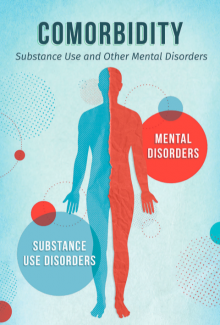
Comorbidity Infographic and Report
The term “comorbidity” describes two or more disorders or illnesses occurring in the same person. They can occur at the same time or one after the other. Comorbidity also implies interactions between the illnesses that can worsen the course...
Effectiveness of a New Multi-Component Smoking Cessation Service Package for Patients with Hypertension and Diabetes in Northern Thailand
Abstract Background Smoking cessation is an achievable behavioral change, which reduces the risks of cardiovascular diseases, cancers and tobacco-related diseases. There is a need for an effective smoking cessation service for low and...
Effectiveness Bank Analysis: UPDATED Long-Acting Buprenorphine an Advance on Daily Doses
*Updated with UK licensing information and advice released in February 2019 by the National Institute for Health and Care Excellence* What could prove a technical advance in the medication-based treatment of dependence on heroin and allied...
Drug-Induced Prolonged Corrected QT Interval in Patients with Methadone and Opium Overdose
Abstract Background Iran is a country with the highest rate of opioid addiction in the world. The most commonly used opioid in Iran is opium, and methadone is in second place. The trend of drug use has changed from opium to methadone from...
Effectiveness Bank Analysis: Feedback on Client Progress among Most Effective Ways to Improve Outcomes
Findings amalgamated for the American Psychological Association show that providing therapists real-time feedback from the client (including substance use clients ) on their progress and how to improve it is among the most effective ways...
Book Unveiling Ceremony of 'The Known and Unknowns of Drug Dependence'
Drug use has been identified as one of the ominous problems that the society faces nowadays. Every drug dependent person has different and complex difficulties to go through in the process of recovering from such harmful habit. Person...
Marchiafava-Bignami Disease: Case Report and Review of the Literature
Abstract INTRODUCTION: Marchiafava-Bignami (MB) is a rare disease characterized by the primary degeneration of the callosum mainly associated with chronic consumption of alcohol. However, this condition can be mistaken for many other...
Webinar: An Overview of CDC’s Enhanced State Opioid Overdose Surveillance (ESOOS) Program
March 5th 11:00am-12:00pm
Drs. Kariisa and Roehler will provide an overview of CDC’s Enhanced State Opioid Overdose Surveillance (ESOOS) program. We will highlight the three key strategies CDC is employing to improve opioid-related overdose surveillance.