
The range of medical, psychological, and social services designed to help individuals reduce or stop substance use and manage substance use disorders. Treatment may include assessment, counselling and behavioural therapies, medication-assisted treatment, withdrawal management, and support for co-occurring mental or physical health conditions. Effective treatment is typically person-centred and evidence-informed, and may be provided in outpatient, community, or residential settings. Treatment aims to improve health and functioning, reduce substance-related harms, and support individuals in moving toward recovery and long-term wellbeing.
Treatment
Sex Differences in Cannabis Use Disorder Diagnosis Involved Hospitalizations in the United States
ABSTRACT Objectives: The study examined sex differences in trend and clinical characteristics of cannabis use disorder (CUD) diagnosis involved hospitalizations among adult patients. Methods: We analyzed hospitalization data from the 2007...
Appropriate Use of Drug Testing in Clinical Addiction Medicine
Purpose The purpose of the Appropriate Use of Drug Testing in Clinical Addiction Medicine is to provide guidance about the effective use of drug testing in the identification, diagnosis, treatment, and promotion of recovery for patients...
Quality Measurers of Therapeutic Communities for Substance Dependence
Abstract Background In Latin America, substance related disorders are highly prevalent and one of the treatment strategies is the Therapeutic Communities (TCs), however, in Latin America there is scarce data about this treatment strategies...
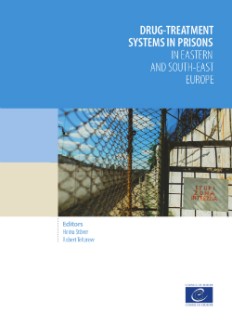
Drug-Treatment Systems in Prisons in Eastern and South-East Europe
This research project on drug-treatment systems in prisons in Eastern and South-East Europe looks in detail into the situation of drug users among criminal justice populations and the corresponding health-care responses in nine countries in...
Effectiveness Bank Hot Topic: The ‘Forgotten’ Carers
One of our selection of hot topics on important issues which sometimes generate heated debate. Both as a treatment resource for the patient and a group needing support in their own right, families affected by substance use are, claimed a UK...
Effectiveness Bank Hot Topic: Does It Matter If Addiction Is a Brain Disease?
Seizing on the theory’s propaganda value, in 1997 the head of the US National Institute on Drug Abuse proclaimed, “Addiction Is a Brain Disease, and It Matters.” His contention has been hailed as a breakthrough or condemned as a...
19th International Congress on Addictions
The 19th International CIJ Congress welcomed 2,500 participants and focused on "Dual Disorders and Comorbidity Associated with Substance Use". It was held in conjunction with the World Association of Dual Disorders (WADD) and the International Society of Substance Use Professionals (ISSUP).
Changes in Specific Substance Involvement Scores among SBIRT Recipients in an HIV Primary Care Setting
Abstract Background Substance use is common among people living with HIV (PLHIV) and is associated with worse outcomes along the HIV care continuum. One potentially effective clinic-based approach to addressing unhealthy substance use is...
Effectiveness Bank Matrix Cell: The Face of Drug Addiction Treatment
At the front line the practitioner is to the patient the face of addiction treatment. Key research shows they can matter enormously - not so much in their formal qualifications, but in their manner with the patients. Other times it seems a...
Delivery of Screening and Brief Intervention for Unhealthy Alcohol Use in an Urban Academic Federally Qualified Health Center
Abstract Background Screening and brief intervention (SBI) for unhealthy drinking has not been widely implemented in primary care partly due to reliance on physicians to perform it. Methods We implemented a model of nursing staff-delivered...