
The range of medical, psychological, and social services designed to help individuals reduce or stop substance use and manage substance use disorders. Treatment may include assessment, counselling and behavioural therapies, medication-assisted treatment, withdrawal management, and support for co-occurring mental or physical health conditions. Effective treatment is typically person-centred and evidence-informed, and may be provided in outpatient, community, or residential settings. Treatment aims to improve health and functioning, reduce substance-related harms, and support individuals in moving toward recovery and long-term wellbeing.
Treatment
Innovation and Action: Youth Voices in SUD Prevention and Treatment in Africa
Democratising Evidence with David Patton: What Counts as Evidence? Pt. 2
Recovery Connections
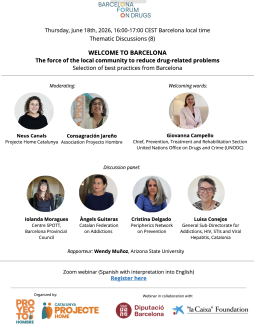
The force of the local community to reduce drug-related problems
On the way to the Barcelona Forum on Drugs, the 8th Thematic Discussion aims to pay tribute to local communities around the world in addressing drug-related problems. A selection of best practices from Barcelona will be presented, the city hosting the forum.
Youth Voices for Prevention: Creative Pathways to Address Violence, Crime, and Build Safer Communities
Highlights from the 2026 UNODC World Drug Report
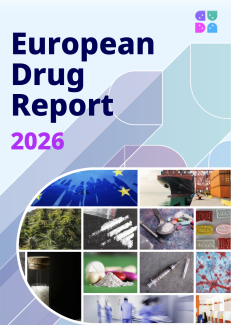
European Drug Report 2026: Trends and Developments
Faith-Based Addiction Recovery
The Role of Accreditation in Elevating Minority-Led Social Service Agencies
This presentation explores how accreditation serves as a powerful tool to elevate minority-led social service and SUD treatment agencies while strengthening their long-term sustainability.
Considering Ethics in Documentation of Clinical Supervision
As we become ethically sophisticated in clinical supervision, CACREP standards must be at the forefront of our minds when documenting trainee progress. Dr. Andi Johnson will demonstrate ethical documentation standards based on the NAADAC Code of Ethics for addiction counselor trainees and their supervisors.