The laws, regulations, strategies, and governance frameworks that guide how governments and institutions address substance use, substance use disorders, and illicit drug trafficking. These policies shape coordinated responses across prevention, treatment, recovery support, public health, regulatory control, and law enforcement. Effective substance use policies aim to reduce health and social harms, ensure access to prevention and treatment services, regulate controlled substances, and disrupt illicit drug markets. They are typically informed by scientific evidence, public health principles, and cross-sector collaboration to promote safer and healthier communities.

Policy
National Wastewater Drug Monitoring Program
Webinar: Multi-Level Prevention Strategies to Address Teen E-Cigarette Use
E-cigarettes are now the most commonly used form of tobacco among youth in the US. As traditional cigarette use among youth has declined, e-cigarette use has steadily increased.
The EPA Congress in 2019
The European Psychiatric Association Congress in 2019 is guided by the Congress motto, Psychiatry in Transition – Towards New Models, Goals and Challenges.
Tasmania Drug Trends 2019: Methamphetamine Use, Markets and Harms
The Alcohol Change UK Conference 2019
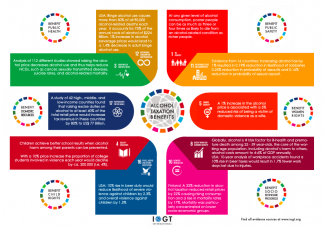
There are many factors which affect alcohol harm including pricing, availability, marketing, treatment accessibility and quality, and drinking cultures. But as well as forming part of the problem these factors offer potential solutions.
Refocus on Recovery
Refocus on Recovery 2019 aims to advance the field of recovery research and to create an international community of influence.
World No Tobacco Day
Every year, on 31 May, the World Health Organization (WHO) and global partners celebrate World No Tob
5th Annual CBC Conference, Behaviour Change for Health: Digital and Other Innovative Methods
The UCL Centre for Behaviour Change (CBC), in collaboration with the UCL Institute for Digital Health, is delighted to confirm its fifth behaviour change conference.
The 5th annual CBC conference will invite academia and industry to present on health-related behaviour using digital/not digital and hybrid technologies.
A Protocol for a Tobacco Free Detox Unit
Though it has become mandatory for public health facilities to become smoke-free it has been difficult to implement this policy in particular in detox, drug and alcohol units and mental health units.
Particularly complex in-patients in detox units have smoking patients objecting to a smoke free environment, commonly flout regulations, become argumentative and often self-discharge.
8th International Conference on Hepatitis Care in Substance Users
The 8th INHSU conference covers the latest advances on hepatitis C epidemiology, management and treatment of viral hepatitis among people who use drugs, with a specific focus on hepatitis C.
Through the dissemination of scientific knowledge, the conference aims to contribute to the World Health Organization’s goal of eliminating hepatitis C by 2030.