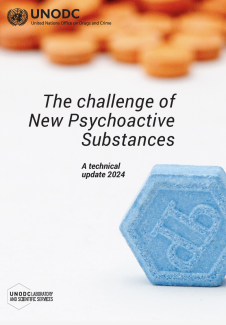
Psychoactive Substances

Psychoactive substances are natural or synthetic substances that act on the central nervous system and alter mental processes such as mood, perception, cognition, consciousness, and behaviour. These substances may be legally prescribed medications (e.g., pain medications or sedatives), legally available substances such as alcohol or caffeine, or controlled or illicit drugs. Psychoactive substances can be used for medical, social, cultural, or recreational purposes, but some carry risks of misuse, dependence, and health or social harms when used in harmful ways. 
Understanding Substance Use: Educator's Guide

Guide
 - 
The guide, co-developed by the Canadian Centre on Substance Use and Addiction (CCSA) and several school boards, aims to equip educators with knowledge and resources to promote well-being and reduce substance-related harms among youth...

Navigating Ketamine

Event Date
 - 
Online

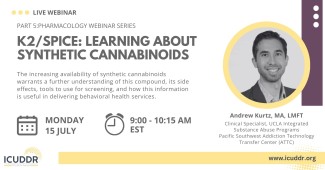
Learn more about ketamine, an aesthetic that is being widely researched. The webinar is designed to achieve an understanding of its class, route of administration, effects, tools for screening, and how this information is useful in delivering behavioral health services.

Time: 9:00 - 10:15 Eastern Time

Presenter:

Howard Cohen, MD

Launch event: European Drug Report 2024

Event Date
 - 
Online

How is Europe's opioid market evolving? What substances are causing the most concern today? How are countries responding to cannabis use? Find out more when the European Monitoring Centre for Drugs and Drug Addiction (EMCDDA) launches its European Drug Report 2024: Trends and Developments in a live online press conference on 11 June.

OVERDOSE DEATHS FROM SMOKING DRUGS NOW EXCEED INJECTION

Scientific article
 - 
Over the last 3 decades, there have been several fluctuations in opioid use patterns and prevalence estimates in the United States. The predominant opioid involved in overdose deaths shifted from prescription opioids in the 1990’s and early...