Distinct groups of people within a society who share certain characteristics such as age, gender, geographic location, socioeconomic status, cultural background, or exposure to particular risk factors that may influence patterns of substance use, vulnerability to substance use disorders, and access to services. In the context of substance use systems, identifying and understanding different populations helps guide the design of prevention, treatment, recovery, and policy responses that are appropriate, equitable, and responsive to specific needs. Examples may include youth, women, people experiencing homelessness, individuals in the criminal justice system, or communities affected by specific social or economic conditions.
Populations
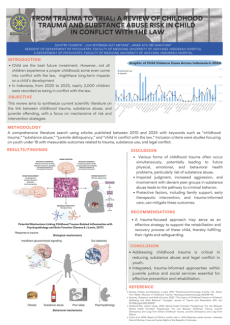
From Trauma to Trial: A Review of Childhood Trauma and Substance Abuse Risk in Child in Conflict with the Law
Introduction. Child in conflict with the law often present with complex psychosocial backgrounds, prominently featuring histories of childhood trauma. Emerging evidence suggests a strong correlation between early traumatic experiences and...
An Only Child versus a Child with a Sibling: Difference In Perfectionism and the Big Five Personality Traits
INTRODUCTION: Declining fertility and rising numbers of only children necessitate understanding their specific characteristics. The main objective of the present research study is to map the area of sibling constellations. It focuses on...
Clinical Outcomes and Healthcare Perspectives on Adolescent Kratom Use in the Czech Republic: A Study Protocol
ABSTRACT: Kratom (Mitragyna speciosa), a plant native to Southeast Asia, has gained global popularity due to both its dose-dependent stimulant and sedative effects. This has raised concerns, particularly around adolescent use, as regular...
Harm Reduction Framework: Intervention Strategy for Substance Use Disorders
The purpose of this article is to outline an intervention strategy for substance use disorders using Harm Reduction as a framework. This paper provides guidelines for the reader on Harm Reduction, Principles of Harm Reduction, and how to...
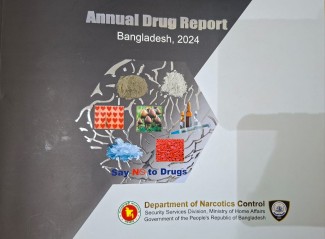
Annual Drug Report
Summary Drug addiction is a complex and multidimensional social problem. Drug-addicted families never fully recover from the anxiety and suffering their experience. In any country, drug abuse, illegal trafficking and associated criminal...
The Association Between Substance Use Prevalence and Youth Mortality: A Comparative Study of Selected EU Countries
INTRODUCTION: Psychoactive substance use constitutes a significant determinant of morbidity and mortality among adolescent and emerging adult populations across European Union member states. This study aims to examine associations between...
Big Five Personality Traits of Adolescents aged 11–19 Years from the Czech and Slovak Republics: Age, Sex and Nationality Specifications
The article explores basic personality characteristics in accordance with the Big Five inventory; it concerns the age category of adolescence, i.e. the ages 11–19. Particular attention is paid to the variables of age, sex, and nationality...
Trends in Substance Use Among Young People in the EU: A Secondary Analysis of Available Data
INTRODUCTION: Substance use among adolescents in the European Union constitutes a significant public health challenge. Particularly concerning are the early onset of use, patterns of polydrug consumption, and the emergence of novel...
The Impact of Drug Addiction on Afghan Refugees in Pakistan: A Comprehensive Analysis
Drug addiction and its associated consequences, such as long-term dependence, bloodborne illnesses, HIV, sexually transmitted diseases, social isolation, and criminal activity, are gradually being recognised as serious issues that need to...
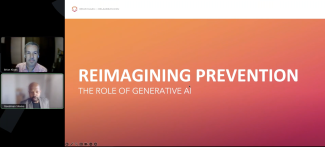
Webinar Reflection: Reimagining Prevention, The Role of Generative Artificial Intelligence
ISSUP, in partnership with the International Consortium of Universities for Drug Demand Reduction (ICUDDR), recently hosted an engaging and forward-looking webinar titled “Reimagining Prevention: The Role of Generative Artificial...