Distinct groups of people within a society who share certain characteristics such as age, gender, geographic location, socioeconomic status, cultural background, or exposure to particular risk factors that may influence patterns of substance use, vulnerability to substance use disorders, and access to services. In the context of substance use systems, identifying and understanding different populations helps guide the design of prevention, treatment, recovery, and policy responses that are appropriate, equitable, and responsive to specific needs. Examples may include youth, women, people experiencing homelessness, individuals in the criminal justice system, or communities affected by specific social or economic conditions.
Populations
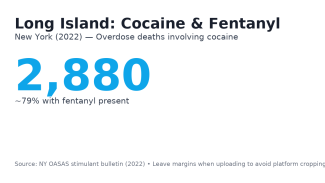
Cocaine & Fentanyl on Long Island
Cocaine-related harms on Long Island (Nassau & Suffolk) are increasingly polysubstance, with fentanyl present in most fatal cocaine overdoses in New York. Nationally, cocaine-involved mortality has nearly doubled since 2018. This fact sheet compiles verified NY/CDC sources and practical steps for families and providers: carry and train on naloxone, arrange benefits/transport to speed placement, screen for co-occurring mental health, and use evidence-based care (Contingency Management + CBT).
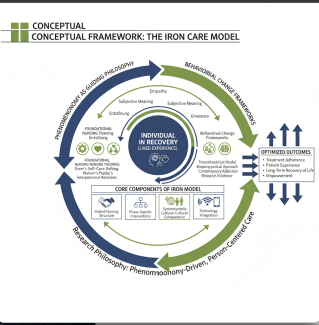
The Integrated Recovery-Oriented Nursing (IRON) Care Model: A Theoretical Framework for Optimizing Addiction Treatment Outcomes
I was honoured to participate in the EHS International Mental Health Conference 2025 as a poster presenter. My presentation reflected the core principles of the Integrated Recovery-Oriented Nursing (IRON) Care Model, emphasizing the...
Evaluation of Prevention Programs in Colombia: Evidence, Results, and Lessons for the Prevention of Substance Use in Young People.
ISSUP Colombia presents its webinar on Evaluation of Prevention Programs in Colombia: Evidence, Results, and Lessons for Youth Substance Use Prevention.
Guidance for Police Response to Drug-Related Mental Health Crises
ISSUP Argentina presents its webinar on Guide for Police Response in Mental Health Crises Related to Drug Use.
Building a Global Home: The Birth and Growth of ISSUP Pt.2
Building the Future Together: Joanna Travis-Roberts on 10 Years of ISSUP A special three-part series celebrating 10 years of of the International Society of Substance Use Professionals (ISSUP). In this second episode, host Associate...
STANDING IN THE GAP: MY TESTIMONY ON SUICIDE PREVENTION.
STANDING IN THE GAP: MY TESTIMONY ON SUICIDE PREVENTION. Over the years of walking with teenagers and young people, I have come face to face with the silent battles they fight every day. Behind bright smiles and youthful energy, many are...
Certificate Course on Drug Abuse Prevention -20
Certificate Course in DrugAbuse Prevention Empowering Schools, Families, Communities & Workplaces for a Drug-Free Future This certificate course is designed to equip educators, youth leaders, public servants, and community stakeholders with...
Safeguarding the Demographic Bonus: BNN's Prevention Strategy for Children, Youth, and Communities
This presentation was featured at Indonesia 2025, on the 18.09.2025. Author: Tri Julianto Djatiutomo Abstract: Indonesia is currently in a demographic bonus period, where the majority of the population is of productive age. This window...
Getting to Know Joanna Travis-Roberts Pt.1
Building the Future Together: Joanna Travis-Roberts on 10 Years of ISSUP A special three-part series celebrating 10 years of the International Society of Substance Use Professionals (ISSUP). In this first episode, host Associate Professor...
Codeine Crisis To Care: How UNODC’s Quality Assurance Mechanisms Redefined Drug Treatment Services In Dawanau, Kano
What started with a BBC documentary exposing the harsh realities of Nigeria’s codeine crisis has since become a powerful story of change. In Kano State, UNODC, with support from the European Union, introduced Quality Assurance mechanisms...