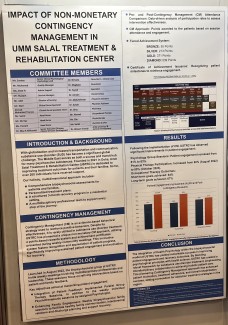
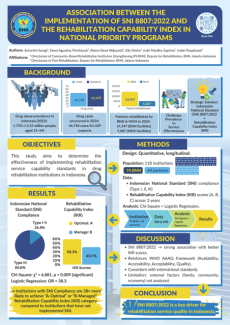
Various treatment formats, either in a live-in facility or through regular visits to a clinic, are designed for ongoing support, to help maintain recovery, and to prevent relapse.
Treatment Settings
Integrating Addiction Medicine with Treatment Courts
This 4-hour course is designed for medical providers practicing addiction medicine who interact with treatment courts and the justice system. Clinicians will explore the complexities of treating justice-involved individuals and apply practical strategies through case-based learning to enhance collaboration, advocate for evidence-based care, and improve coordination with community resources.
Online Training: Using CBT to support families affected by addiction
This one day training looks at using cognitive behavioural therapy (CBT) skills to support families affected by addiction. The course covers all the essential skills that can help families to change their unhelpful thoughts, feelings and behaviours in response to a loved one’s addiction.
Next Steps for Cultural Responsiveness in Ethical Decision-Making
Time: 12PM - 1:30PM ET
Supporting the Journey: A Reading List for Addiction Nurses
Intermediate Motivational Interviewing
Motivational interviewing (MI) is a client-centered, evidence-based, goal-oriented method for enhancing intrinsic motivation to change by exploring and resolving ambivalence with the individual. This active, skill-building workshop provides participants with a review of the spirit and micro skills of MI, and focuses on using the strategies of the model to elicit change talk in conversation.
The American Association for the Treatment of Opioid Dependence Conference 2025
The American Association for the Treatment of Opioid Dependence works with federal and state agency officials concerning opioid treatment policy throughout the United States. We also work with our partner, the World Federation for the Treatment of Opioid Dependence, with regard to international initiatives and working with designated agencies within the United Nations.
An Affirming and Effective Substance Use Disorder Curriculum for the LGBTQ+ Community
Studies have shown that people in the LGBTQ+ community are four times more likely to struggle with a substance use disorder. Although this population is at much higher risk, there has been a significant shortage of affirming services explicitly designed to meet their needs. This presentation will show how the new EABT substance use disorder curriculum designed specifically for the LGBTQ+ community is helping to fill that void.
Anti-Stigma Network: Developing inclusion - substance use related stigma across general practise
What positive steps can we make to ensure that stigmatisation within a GP setting is reduced for people who use drugs and alcohol? A person-centred approach, appropriate language and addressing implicit bias could be key. Hear from three healthcare providers across the UK and Ireland who share their experiences and tips for best practice.
Time: 12:30PM - 2PM UK Time