
A CSO PERSPECTIVE: Drug and substance abuse in Uganda Emerging trends,Human rights implications
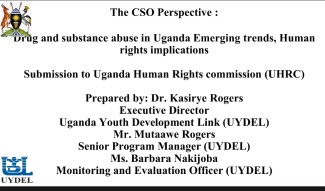
Due to the rising incidence of narcotics-related cases and associated crime, there is an urgent need to expand and strengthen alternatives to criminal activity. This concern was emphasized by Dr. Rogers Kasirye during the 28th UHRC Annual Report Consultative Meeting held at the UHRC offices at Plot 19 Lumumba Avenue, Rume Building, Commission Boardroom, 4th Floor.
Dr. Kasirye highlighted the growing pressure drug-related cases place on the justice system and recommended the establishment of a dedicated drug court to reduce the judicial burden and promote more effective responses to drug offences. He further called for the strict enforcement of the Psychotropic and Narcotic Drugs (Control) Act, 2024, with a particular focus on curbing trafficking, distribution networks, and emerging harmful substances.
He also urged a review of judicial sentencing approaches for drug offenders, advocating a shift from punitive measures toward protection, treatment, and rehabilitation. Expanding treatment and rehabilitation services, especially youth-friendly and regionally accessible programs, was identified as a critical priority.
Additionally, Dr. Kasirye emphasized the importance of strengthening school- and community-based prevention efforts through awareness campaigns and early intervention programs targeting at-risk youth. He called for the development of a comprehensive national strategy that addresses the root causes of drug abuse, including poverty, unemployment, limited educational opportunities, mental health challenges, and inadequate psychosocial support. This approach would require coordinated action among key sectors, including social development, education, and internal affairs.
Further recommendations included increasing taxation on alcohol and allocating the proceeds toward research, prevention, and rehabilitation initiatives. He also advocated for the promotion of diversion programs and community-based rehabilitation, enhanced law enforcement capacity, and the establishment of a multisectoral, gender-sensitive prevention framework to ensure a holistic and sustainable response to the drug challenge.