

Search
 Psychoactive Substances
Psychoactive substances are natural or synthetic substances that act on the central nervous system and alter mental processes such as mood, perception, cognition, consciousness, and behaviour. These substances may be legally prescribed medications (e.g., pain medications or sedatives), legally available substances such as alcohol or caffeine, or controlled or illicit drugs. Psychoactive substances can be used for medical, social, cultural, or recreational purposes, but some carry risks of misuse, dependence, and health or social harms when used in harmful ways.
Supporting displaced people from Afghanistan and host communities in neighbouring countries – UNODC regional workshop on drug use prevention, treatment and care
From 5th to 9th June, UNODC organized a hybrid regional workshop with a total of 42 participants from the government, civil society organizations (CSOs) and UN agencies, to assist the strengthening of evidence-based prevention, treatment...
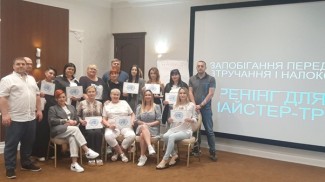
Stop Overdose Safely: UNODC successfully trained Ukrainian CSOs on emergency management of opioid overdose
From 6th to 8th June 2023, the UNODC Programme Office for Ukraine (POUKR) and the UNODC Prevention, Treatment and Rehabilitation Section (PTRS), jointly with Ukrainian NGOs, “Club Eney” and “Conviktus”, organized an in-person “Stop Overdose...
Extended-release pharmacotherapies for Substance Use Disorders in incarcerated populations
A history of harmful substance use or dependence is common among people in Criminal Justice Systems (CJSs) around the world. The time after an individual has left the CJS is of elevated risk for those with harmful substance use - with high...
Sex and gender differences in HCV risk and cascade of care among people who inject drugs
This seminar explored why it is important to study sex and gender differences in people who inject drugs, with reference to examples relevant to hepatitis C risk and the cascade of care. It included an overview of why we study sex and...
Pharmacological management of acute methamphetamine withdrawal
About the webinar:
This seminar provided an overview of Liam’s PhD studies, beginning with a systematic review and meta-analysis of previously researched pharmacological treatments for methamphetamine withdrawal.
It then proposed a novel...
Stigmatising imagery for substance use disorders
Stigma is a barrier to treatment for individuals with substance use issues. Although there has been research conducted exploring the impact of stigmatising language, less is known about the effects of stigmatising images.
This qualitative...

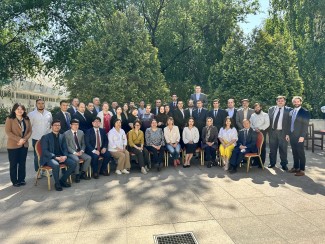
UNODC conducted Regional Training of Trainers on UTC 20 in Central Asia
The UNODC Regional Office for Central Asia in collaboration with Prevention, Treatment and Rehabilitation Section, UNODC HQ held a Regional Training of Trainers (ToT) on Course 20 – “Populations with Special Clinical Needs” which took place...
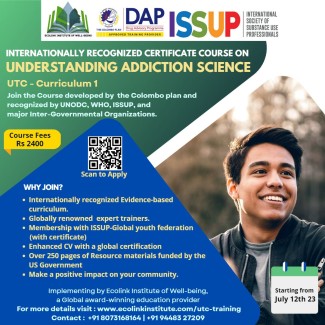
Ecolink concludes short courses on Science of addiction among youths
Ecolink Institute has concluded two batches on the science of addiction among youths, mostly from Universities, with the intention to provide them an introduction to psychoactive substances and how it affects their brain and cause addiction...
Bi-Monthly Webinar: ISSUP Nigeria Knowledge Update Series (Eighteenth Session)
ISSUP Nigeria are pleased to present their next Bi-Monthly Webinar in the Knowledge Update Series. This Webinar will focus on the topic 'Driving change through addiction prevention advocacy: Strategies for lasting impact and effective messaging'.
Provision of addiction treatment services during the war in Ukraine
This webinar is held under the joint initiative of ISSUP Ukraine, the Center for Public Health of the Ministry of Health of Ukraine and ICF "Alliance for Public Health".
Children and families affected by parental drug use
ISSUP are pleased to present their webinar on Children and families affected by parental drug use.
Addiction Nursing Competencies: A Comprehensive Toolkit for the Addictions Nurse
Abstract
With the increased role of nurses in caring for patients with substance addiction, there was a clear need to develop the Addiction Nursing Competencies to guide and support the nursing workforce.
A literature search revealed a...
The effects of the cost of living crisis on families and friends of someone with a substance use problem
The impact of addiction on family finances is multiple.
It is therefore no surprise to find that the cost of living crisis is causing additional difficulty and strain to families affected by substance use, adding further complexity to the...
The driving factors facilitating non-medical use of tramadol: a qualitative study of Nigerian youths
Abstract
Background: The paper explores the opinions of Nigerian youth regarding their reasons behind the use of tramadol for non-medical purposes and learns their preferences in choosing tramadol. Methods: We conducted In-depth Interviews...
World Drug Day in Togo
As part of the celebration of June 26 ..
THE NGO RAPAA.. made a passage in the television program La Poz de la TVT with the participation of a member of the CNAD
Yesterday, June 26, the NGO RAPAA also hosted a program in Ewe language with...

Support. Don't Punish International Day of Action
A global advocacy campaign calling for drug policies based on health and human rights.
Support. Don’t Punish is a global grassroots-centred initiative in support of harm reduction and drug policies that prioritise public health and human...

International Day Against Drug Abuse and Illicit Trafficking
Grenada's video submission to commemorate International Day Against Drug Abuse and Illicit Trafficking.
Practical Guide for Implementing a Trauma-Informed Approach
The guide specifically focuses on tools and strategies for implementing a trauma-informed approach. This guide highlights the need for organizational assessment of readiness and capacity before implementing trauma-informed approach and...

ISSUP POSTER FOR LISBON ADDICTIONS 2022: STUDY ON SUBSTANCE USE AND THE ROLE OF FAMILIES IN KAZAKHSTAN, PAKISTAN AND UKRAINE
The fourth European Conference on Addictive Behaviours and Dependencies took place in Lisbon from 23–25 November 2022.
Under the overarching theme of Global Addictions, LxAddictions22 showcased cutting-edge research to help characterise...
AddictologyIssue 1/2023