

Search
 Psychoactive Substances
Psychoactive substances are natural or synthetic substances that act on the central nervous system and alter mental processes such as mood, perception, cognition, consciousness, and behaviour. These substances may be legally prescribed medications (e.g., pain medications or sedatives), legally available substances such as alcohol or caffeine, or controlled or illicit drugs. Psychoactive substances can be used for medical, social, cultural, or recreational purposes, but some carry risks of misuse, dependence, and health or social harms when used in harmful ways.
New Determinants of Addictions’ Creation and Development in Changed Social Conditions
EDITORIAL
Dear readers,
This issue of the journal Addictology offers you many interesting articles on addiction, while each article’s research area is very specific. Authors examine various aspects of addiction in connection with...
Undergraduate Education in Addictology of Students of General Medicine: Study Protocol of a Pilot Research Study in the Czech and Slovak Republics
BACKGROUND:
The current practice of undergraduate education in addictology for medical students at medical faculties both in and outside Europe does not meet the requirements and needs of practice. The rise in problems with legally...
AddictologyIssue 2/2021
Trends in Buprenorphine Use in US Jails and Prisons From 2016 to 2021
Source:
Discussion
In the US, buprenorphine use...
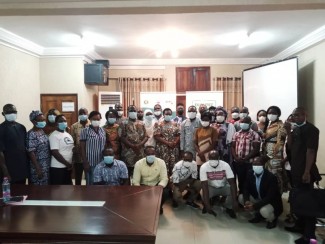
Lutte contre la toxicomanie : La branche togolaise de l’ ISSUP portée sur les fonts baptismaux
La Société internationale des professionnels du traitement de l’addiction aux substances psychoactives (en anglais International Society of Substance Use Professionals, ISSUP) dispose désormais d’une branche au Togo. L’ISSUP-Togo a été...
Professionalization and Strengthening of the Drug Demand Reduction Workforce.
Chaired by Livia Edegger, Deputy Director of the International Society of Substance Use Professionals (ISSUP), the specialist in this panel spoke about the importance of creating and strengthening the workface in drug demand reduction...
What is Alcohol Use Disorder (AUD)?
Short Takes with National Institute on Alcohol Abuse and Alcoholism (NIAAA)
Learn about the definition of alcohol use disorder (AUD), signs of AUD, and what you can do to get help.
Therapeutic interventions for for methamphetamine dependence
This webinar presented an overview of evidence for treatment of methamphetamine dependence, and future directions.
Crystalline methamphetamine (“ice”) is a significant and growing public health concern in Australia, with approximately 300...
The safety of pharmaceutical drugs of dependence in pregnancy
This seminar examines the emerging research on the safety of pharmaceutical drugs of dependence in pregnancy.
Pharmaceutical drugs of dependence are a group of drugs that have a recognized therapeutic need but are associated with a higher...
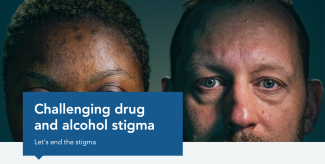
Scotland launches national campaign to tackle the stigma of addiction
Alcohol and problematic drug use are significant issues in Scotland, causing damage to people’s lives, families and communities, and contributing to violence and crime.
Not only can stigma relating to substance use impact an individuals...
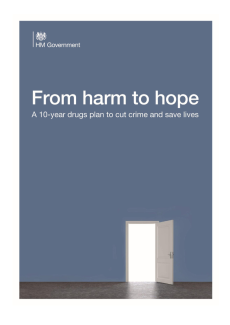
From harm to hope: A ten year drugs plan to cut crime and save lives
Here you can read the UK governments 10-year plan to reduce illegal drug use.
The 10-year plan is also the formal, substantive response to the Independent Reviews of Drugs led by Dame Carol Black and accepts all of her key recommendations...
Multiple health behaviour change: Perspectives from the field
Presented by Professor Frances Kay-Lambkin (University of Newcastle), Dr Adrian Dunlop (University of Newcastle / Hunter New England LHD) and Dr Lawrence Dadd (Hunter New England LHD) by the end of this webinar, attendees will be able to...
ICUDDR/ISAJE Publishing Addiction Science Series
Here you can find the recordings of the train the trainer webinar series on publishing addiction science.
3 Writing the introduction section
6 Dis...
Alcohol and illicit drug use among young people living with HIV compared to their uninfected peers from the Kenyan coast: prevalence and risk indicators
There is a scarcity of research on drug use patterns among HIV-positive young individuals in Sub-Saharan Africa (YLWH). To fill the gap, the following was set out:
- compare the prevalence of substance use, specifically alcohol and illicit...
Strategies Adopted by Addiction Facilities during the Coronavirus Pandemic to Support Treatment for Individuals in Recovery or Struggling with a Substance Use Disorder: A Scoping Review
This review aimed to identify and synthesize strategies and actions adopted by addiction facilities to support and maintain treatment during the coronavirus disease 2019 (COVID-19) pandemic.
National Drug and Alcohol Facts Week®
National Drug & Alcohol Facts Week® will be held March 21-27, 2022.
Registration opens on November 1, 2021.
Join NIDA for NDAFW and help share facts about drugs, alcohol, and addiction in your community. Sign up for the latest news...
LxAddictions22: Global addictions
Lisbon Addictions is a multidisciplinary conference that provides a forum for networking across addictions.
Submission of abstracts
Potential contributors are invited to submit abstracts for the following main areas/thematic tracks:
- Gl...

Two new tobacco cessation medicines added to the WHO essential medicines list
Every two years, the World Health Organization (WHO) publishes its Model List of Essential Medicines (EML), a collection of medicines considered essential by WHO experts.
The purpose of the list is to guide national authorities on the type...

Challenges in prevention and treatment in the post-pandemic (Argentina-Chile-Mexico-Peru)
ISSUP Argentina presented a webinar that addressed the increased impact of isolation and social distancing stemming from the pandemic on the quality of life of vulnerable populations in Latin America, including children and adolescents...
National Trauma and Substance Use: Lessons learned from the Lebanese Crisis
ISSUP Lebanon are pleased to present their Webinar on National Trauma and Substance Use: Lessons learned from the Lebanese Crisis.