

Search
 Populations
Distinct groups of people within a society who share certain characteristics such as age, gender, geographic location, socioeconomic status, cultural background, or exposure to particular risk factors that may influence patterns of substance use, vulnerability to substance use disorders, and access to services. In the context of substance use systems, identifying and understanding different populations helps guide the design of prevention, treatment, recovery, and policy responses that are appropriate, equitable, and responsive to specific needs. Examples may include youth, women, people experiencing homelessness, individuals in the criminal justice system, or communities affected by specific social or economic conditions.


Awareness Lecture and Workshop on Risky Behaviors & Substance Use in an International Family Medicine Conference, Avari Hotel, Lahore Pakistan
Two days International Family Medicine Conference has been arranged at Avari Hotel in Lahore Pakistan on May 21 and 22, 2022. The organizers were the team members of WONCA SAR. The guest speaker/trainer invited to grace these initiatives...

Assessing Perception and Knowledge regarding HIV and AIDS among High School, College and University students of South Punjab, Pakistan
Abstract
Assessing Perception and Knowledge regarding HIV & AIDS among youth mostly in colleges and universities has become of extreme importance and concern. Most of the students have inadequate knowledge of high risk group for HIV...

Birth Outcomes of Neonates Exposed to Marijuana in Utero A Systematic Review and Meta-analysis
Abstract
Importance While some studies have found an association between marijuana use and adverse neonatal outcomes, results have not been consistent across all trials.
Objective To assess available data on neonatal outcomes in...
Call for Papers- Drug Addiction Research in China
Drug addiction has been a major public health problem bringing a heavy burden to patients, families and society in China historically and contemporarily. In the recent two decades, animal and clinical research on mechanisms, trajectories...
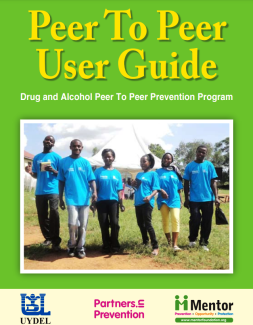
Peer to Peer User Guide-Drug and Alcohol Peer to Peer Prevention Program
This guide is developed to facilitate the work of Peer Counsellors in training Peer Educators in substance abuse prevention. It is based on the experience from the peer to peer drug prevention programs conducted by UYDEL. This peer to peer...
UGANDA YOUTH DEVELOPMENT LINK (UYDEL) Commemoration of the international women’s day
International Women's Day is a global holiday celebrated annually on March 8 to commemorate the cultural, political, and socioeconomic achievements of women. It is also a focal point in the women's rights movement, bringing attention to...

Fetal Exposure to Cannabis and Childhood Metabolic Outcomes: The Healthy Start Study
Abstract
Objective
To assess the impact of fetal exposure to cannabis on adiposity and glucose-insulin traits in early life.
Research Design and Methods
We leveraged a subsample of 103 mother-child pairs from Healthy Start, an...
Assessing the feasibility, usability and acceptability of the MySafeRx platform among individuals in outpatient buprenorphine treatment: Lessons learned from a pilot randomized controlled trial
Abstract
Background
Increasing buprenorphine/naloxone (B/N) access for opioid use disorder (OUD) is essential yet ensuring adherence and preventing diversion remains challenging. This study examines the feasibility, usability, and...
Structural violence and the need for compassionate use of methadone in Mexico
Abstract
Background
Epidemiological data from Mexico have documented an increase in heroin use in the last decade. However, there is no comprehensive care strategy for heroin users, especially those who have been accused of a crime. The...
War - psychological skills for surviving and coping with traumatic events: Support of adult population in times of war
ISSUP Ukraine and ITTC-Ukraine welcome you to a joint initiative dedicated to the ongoing war and the horrific events that resulted from Russian's attack on Ukraine.
Association of Psychiatric Disorders With Incidence of SARS-CoV-2 Breakthrough Infection Among Vaccinated Adults
Abstract
Importance Psychiatric disorders may be associated with an increased risk for SARS-CoV-2 breakthrough infection after vaccination, but no studies have tested this hypothesis.
Objective To evaluate whether past diagnoses of...
The Intersection Between Substance Use Disorder and Human Trafficking
ISSUP Kenya would like to present their next Bi-Monthly Webinar on The Intersection Between Substance Use Disorder and Human Trafficking.
This Webinar will discuss:
- Nature of Substance Use Disorder
- The connection between human...
DAM Report of Recovery Get-Together 2022
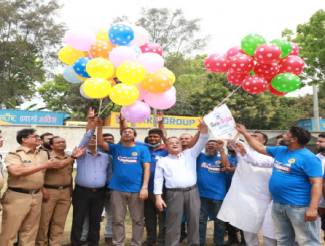
Dhaka Ahsania Mission (DAM) drug treatment centers celebrate Recovery Get-Together every year to support recoveries and help integration back into society. This year DAM arranged a “Recovery Get together” program on March 26, 2022, at Ahsania Mission Drug Treatment Center, Gazipur.
UNODC Listen First
A UNODC drug use prevention initiative that promotes the well-being of children and youth, their families and their communities. Presenter: Jenny Roston Lundstrom, Coordinator - UNODC PTRS
Association of Habitual Alcohol Intake With Risk of Cardiovascular Disease
Abstract
Importance Observational studies have consistently proposed cardiovascular benefits associated with light alcohol consumption, while recent genetic analyses (ie, mendelian randomization studies) have suggested a possible causal...

Frequency and severity of irritable bowel syndrome in cigarette smokers, Turkey 2019
ABSTRACT
Introduction:
Cigarette smoking has recently been associated with several gastrointestinal symptoms, and smoking cessation has been recommended as a lifestyle change strategy for irritable bowel syndrome (IBS). This study assessed...
Treatment outcome and readmission risk among women in women-only versus mixed-gender drug treatment programs in Chile
Abstract
Introduction
Traditional treatment programs for substance use disorder (SUD) tend to be male-dominated environments, which can negatively affect women's access to treatment and related outcomes. Women's specific treatment needs...
Fetal alcohol spectrum disorder - Quality standard
Latest quality standard published sets out how health and care services can improve the diagnosis, assessment, and prevention of foetal alcohol spectrum disorder (FASD).
The quality standard highlights five key areas for improvement:
- ...
Bi-Monthly Webinar: ISSUP Nigeria Knowledge Update Series (Eleventh Session)
ISSUP Nigeria would like to present the next Bi-monthly webinar in their Knowledge Update Series.