


Search
Treatment Settings
Various treatment formats, either in a live-in facility or through regular visits to a clinic, are designed for ongoing support, to help maintain recovery, and to prevent relapse.


Regressive or Progressive? The Effect of Tobacco Taxes in Ukraine
ABSTRACT
Tobacco taxes are usually considered regressive as the poorest individuals allocate larger shares of their budget towards the purchase of tobacco related products. However, because these taxes also discourage tobacco use, some of...

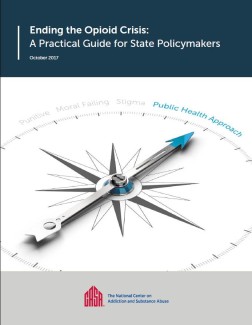
Ending the Opioid Crisis: A Practical Guide for State Policymakers
BACKGROUND
Although the opioid epidemic is a national issue, states shoulder the majority of the financial and social burden caused by addiction. Fortunately, there are many actions that states can take to effectively address the opioid...
Licit and Illicit Substance Use Patterns among University Students in Germany Using Cluster Analysis
Abstract
Background
The use of multiple licit and illicit substances plays an important role in many university students’ lives. Previous research on multiple substance use patterns of university students, however, often fails to examine...
Efficacy and Safety of Cannabinoid Oromucosal Spray for Multiple Sclerosis Spasticity
Abstract
Background: The approval of 9-δ-tetrahydocannabinol and cannabidiol (THC:CBD) oromucosal spray (Sativex) for the management of treatment-resistant multiple sclerosis (MS) spasticity opened a new opportunity for many patients. The...
The Effectiveness of Injectable Extended-Release Naltrexone vs Daily Buprenorphine-Naloxone for Opioid Dependence
Key Points
Question: Are monthly intramuscular injections with extended-release naltrexone hydrochloride as effective as daily oral buprenorphine–naloxone hydrochloride in reducing the use of heroin and other illicit substances in newly...
Illicit Drug Use, Illicit Drug Use Disorders, and Drug Overdose Deaths in Metropolitan and Nonmetropolitan Areas — United States
Abstract
Problem/Condition: Drug overdoses are a leading cause of injury death in the United States, resulting in approximately 52,000 deaths in 2015. Understanding differences in illicit drug use, illicit drug use disorders, and overall...
Effectiveness Bank Drug Treatment Matrix: Going with the Grain; Organisation, Ethos and Harm Reduction
On-line course moves up to the level of the organisation and its influence on drug-related harm. Learn how in methadone clinics and needle exchanges, misguided ‘good intentions’ placed service users at risk. A possible rule of thumb emerges...
Unmet Treatment Needs for People with Mental Health and Substance Use Disorders
In the US, less than 10% of adults with co-occurring mental health problems and substance use disorders get treatment for both. 50% do not receive treatment for either.
This highlights the vast discrepancy between the prevalence of co...
Mental Health Training for Primary Health Care Workers and Implication for Success of Integration of Mental Health into Primary Care
Abstract
Background
Mental disorders remain a neglected public health problem in low and middle-income countries (LMICs), most people with mental disorders never receive effective care and there is a large treatment gap. In order to solve...
The Burden of Primary Liver Cancer and Underlying Etiologies from 1990 to 2015
Abstract
Importance: Liver cancer is among the leading causes of cancer deaths globally. The most common causes for liver cancer include hepatitis B virus (HBV) and hepatitis C virus (HCV) infection and alcohol use.
Objective: To report...
‘My GP says I drink too much’: Screening and Brief Intervention
In the absence of greater obstacles to availability, widespread screening to identify and then briefly advise risky drinkers has been the great hope for improved alcohol-related public health. This major hot topic update guides you through...
World Mental Health Day 2017
Dhaka: World Mental Health Day
Speakers at a press conference at Dhaka Ahsania Mission (DAM) called for taking comprehensive steps for preventing the use of drugs among women, saying that drug addiction affects women's mental health as...

Financial Incentives to Discontinue Long-Term Benzodiazepine Use
Abstract
Objectives: Investigate the acceptability of financial incentives for initiating a medically supervised benzodiazepine discontinuation programme among people with long-term benzodiazepine use and to identify programme features...
8 Steps Towards Minimising the US Opioid Crisis
Current levels of opioid addiction in the US are so alarming that in July 2017 the President’s Commission on Combating Drug Addiction and the Opioid Crisis urgently suggested that President Trump declare a national emergency to free up...

Drug and Alcohol Treatment Statistics
Executive Summary
Data collected in drug treatment agencies play a prominent role in informing policy makers. Such data often represent the only information collected regularly and consistently over a certain period of time. What is even...
Effectiveness Bank Drug Treatment Matrix Cell C1: Life and Death Decisions for Drug Harm Reduction Management
Explores how harm reduction impacts are affected by the management of the service and of the intervention. Highlights the studies which showed that treatment-termination and needle-exchange policies can mean life or death for service users...
Patterns of Polydrug Use among Pregnant Substance Abusers
Abstract
Aim:
Studies of drug use during pregnancy have generally focused on individual substances or specific combinations of drugs. The aim of this article is to increase our knowledge about polydrug use and pregnancy in a Nordic...
Brief Intervention to Promote Smoking Cessation and Improve Glycemic Control in Smokers with Type 2 Diabetes
Abstract
The aim of the study was to examine the effects of a brief stage-matched smoking cessation intervention group compared with a control group (with usual care) in type 2 diabetes mellitus patients who smoked by randomized controlled...
National Academy of Medicine Releases New Special Publication Guide
September 21, 2017
Halting the opioid epidemic requires aggressive action across multiple dimensions, including informed, active, and determined front-line leadership from health clinicians working in every setting throughout the nation...
Effectiveness of Optional Videoconferencing-Based Treatment of Alcohol Use Disorders
ABSTRACT
Background: Treatment of alcohol use disorders (AUDs) is characterized by an adherence rate below 50%. Clinical research has found that patient adherence enhances treatment effect; hence, health authorities, clinicians, and...