

Search
Treatment Settings
Various treatment formats, either in a live-in facility or through regular visits to a clinic, are designed for ongoing support, to help maintain recovery, and to prevent relapse.

‘Dangerous Data’ Part 3: The Gloves Come Off. An Effectiveness Bank Hot Topic
‘DANGEROUS DATA’ PART 3: THE GLOVES COME OFF
Third weekly instalment of the series on controlled drinking as a treatment goal. Controversy moves to the USA, where the 1976 Rand report’s finding that post-treatment remission usually...
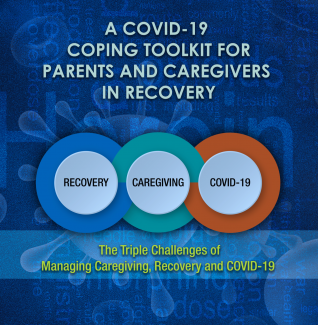
A Covid-19 Coping Toolkit for Parents and Caregivers in Recovery
This booklet is intended for a global audience of parents and caregivers who are in all stages of recovery from substance use disorders during the COVID-19 pandemic.
The main feature of this booklet includes seven tip-sheets that offer...
Resultados del estudio sobre prevención, tratamiento e inclusión social, en el marco de la pandemia de Covid-19 en Chile
ISSUP Chile te invita a participar de un webinar presentando los resultados del estudio sobre prevención, tratamiento e inclusión social, en el marco de la pandemia de Covid-19 en Chile.
How can you prioritise the child when your patient is the parent? Highlight from Effectiveness Bank Alcohol Treatment Matrix cell C5
HOW CAN YOU PRIORITISE THE CHILD WHEN YOUR PATIENT IS THE PARENT?
Guidance insists child welfare is paramount, even if your client is not the child, but their parent. The temptation is to sideline this uncomfortable but important work...
Development of Quality Assurance Mechanism and Tools for drug use Disorders treatment
Following the launch of the UNODC-WHO International Standards for the Treatment of Drug Use Disorders (2016) (“the Standards”), there was a need for new globally applicable tools to ensure a qualified and effective response to drug use...
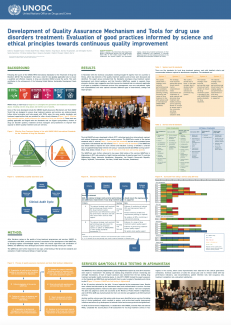
COPOLAD Treatment Work
Since the adoption of the first European Drug Strategy 2000–2004, the EU clearly defines drug-related problems as primarily being a Public Health issue. This approach was also endorsed recently by the Community of Latin American and...
‘Dangerous data’ Part 2: A Gentlemanly Start. An Effectiveness Bank Hot Topic
‘DANGEROUS DATA’ PART 2: A GENTLEMANLY START
Second weekly instalment of the series on controlled drinking as a treatment goal traces the start of the controversy to early 1960s London, where psychiatrist D.L. Davies opened the first...
State of the Sector 2019: Drug and Alcohol Family Support
This report shares the findings from Adfam's State of the Sector Family Support Survey which in 2019 asked 117 practitioners and managers working in family support services in England about current trends, developments, strengths and...
Addiction and the Family International Network
The AFINet Webinars cover a range of topics related to Addiction and the Family. The programme for 2021 is below. Participation in each webinar is free, but to join, you MUST register beforehand. For each Webinar that you are interested in...
Managing to Extract Therapy from Punishment. Effectiveness Bank Alcohol Treatment Matrix, Cell C5
MANAGING TO EXTRACT THERAPY FROM PUNISHMENT
Key studies on the role of management in the treatment of problem drinking in criminal justice settings and/or to safeguard the community. A rare review specific to this context argues that “the...
Webinar | Quality in Treatment
On February 23rd, ISSUP Global presented their Webinar on the topic of quality in substance use disorder treatment. This event tied in with the launch of the new 'Quality in Treatment' Network.
The 2021 ICUDDR Virtual Conference- Call for Proposals
The 2021 ICUDDR Virtual Conference will be held July 20 & 21, 2021. At this time, we are seeking proposals for this online event. Deadline is February 26, 2021.
Call for Proposals
ICUDDR is soliciting proposals for presentations at our...
‘Dangerous Data’ Part 1: Why the Heat? An Effectiveness Bank Hot Topic
‘DANGEROUS DATA’ PART 1: WHY THE HEAT?
Each Monday over the next eight weeks we divide up the hot topic released last week on controlled drinking as a treatment goal and serve it to you in bite-size chunks. The series starts with part 1,...
Use of Technology in Psychosocial Treatment for Methamphetamine Use
This webinar describes how telephone, mHealth (text-messaging and apps), and computer-based interventions are used in the treatment of methamphetamine use. Key elements of the webinar include
- the research supporting each modality
- sug...
The Trickier the Situation, the More the Worker Matters. Highlight from Effectiveness Bank Alcohol Treatment Matrix Cell B5
THE TRICKIER THE SITUATION, THE MORE THE WORKER MATTERS
Cell B5’s research-derived understandings of therapeutic work in a criminal justice or family protection context funnelled into the final section, tempting the formulation of a...
‘Dangerous Data’: Drinking after Dependence. An Effectiveness Bank Hot Topic
‘DANGEROUS DATA’: DRINKING AFTER DEPENDENCE
First cracked in 1960s London, the orthodoxy that abstinence is the only acceptable and feasible treatment goal for ‘alcoholics’ seemed shattered in 1973 by evidence that even physically...
Providing addiction services during a pandemic: Lessons learned from COVID-19
During the COVID-19 pandemic, social distancing measures have made in-person mutual help groups inaccessible to many individuals struggling with substance use disorders (SUDs). In this paper, we share our experience training volunteers to facilitate SMART Recovery groups and SMARTline
Stigma Reading List
Stigma is a complex construct that is present within societies at different levels. The impact of stigma can severely damage individuals and communities. People who use substances are often on the receiving end of stigmatising attitudes and...

What if the therapist works for the jailer? Effectiveness Bank Alcohol Treatment Matrix cell B5
WHAT IF THE THERAPIST WORKS FOR THE JAILER?
The title poses the dilemma for alcohol treatment staff (seen as) working for authorities controlling or punishing the ‘client’ or deciding on removing their children. Explores whether in these...
Promoting and Broadening the Horizons of UNODC Drug Prevention Methodologies for Working with Adolescents, Youth and Families in Uzbekistan
Every morning, Dr. Lilia Muzaffarova walks to work at the Tashkent City Narcological Dispensary. During her walk regardless of the season, Lilia admires the beauty of nature, which she loves very much, and also gazes into the faces of...