

Search
Treatment Settings
Various treatment formats, either in a live-in facility or through regular visits to a clinic, are designed for ongoing support, to help maintain recovery, and to prevent relapse.

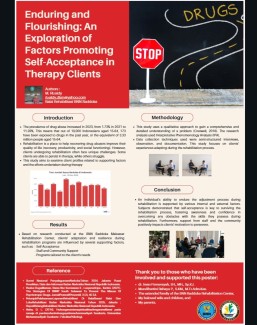
Enduring and Flourishing: An Exploration of Factors Promoting Self-Acceptance in Therapy Clients
Substance abuse in Indonesia is on the rise each year. Rehabilitation centers play a crucial role in helping individuals recover from addiction and improve their quality of life (recovery, productivity, and social functioning). However...
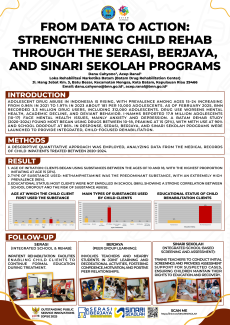
From Data to Action: Strengthening Child Rehabilitation through the SERASI, BERJAYA, and SINARI Sekolah Programs
Adolescent drug abuse in Indonesia is rising, with prevalence among ages 15-24 increasing from .96% IN 2021 to 1.97% in 2023. About 181 per 10,000 adolescents as of February 2025. BNN recorded 3.3 million drug users, including 312,000...
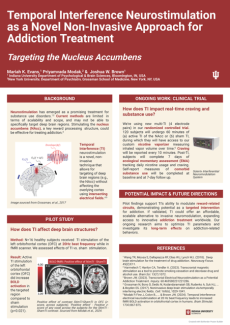
Temporal Interference Neurostimulation as a Novel Non-Invasive Approach for Addiction Treatment: Targeting the Nucleus Accumbens
Background. Substance use disorders (SUDs) remain a major global health burden. Neurostimulation has emerged as a promising treatment by directly altering brain circuits implicated in addictive behaviors, but current methods are limited in...
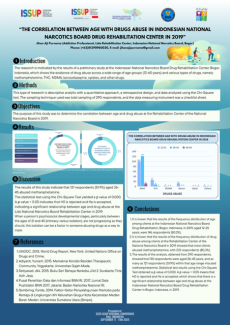
The Correlation Between Age With Drugs Abuse In Rehabilitation Center Of National Narcotics Board Lido 2019
The research is motivated by the results of a preliminary study at the Rehabilitation Center of National Narcotics Board Lido which shows the existence of drug abuse with a wide range of age groups at the age of 12-60 years and various...
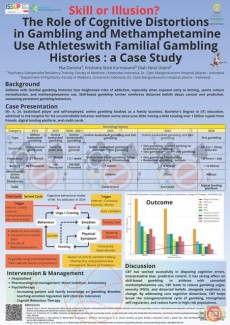
Skill or Illusion? The Role of Cognitive Distortions in Gambling Disorder and Methamphetamine Use Among Athletes with Familial Gambling Backgrounds
Introduction
Athletes with extensive sports knowledge may falsely believe that gambling outcomes can be predicted with skill. This cognitive distortion, combined with methamphetamine use and familial gambling exposure, increases the risk...
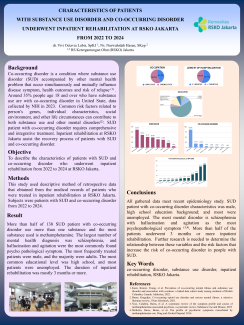
Characteristics of Patients with Substance Use Disorder and Co-occuring Disorder Underwent Inpatient Rehabilitation at RSKO Jakarta from 2022 to 2024
Co-occurring disorder is a condition where substance use disorder accompanied by other mental health problem that occur simultaneously and mutually influence disease symptom, health outcomes and risk of relapse. Around 35% people age 18 and...
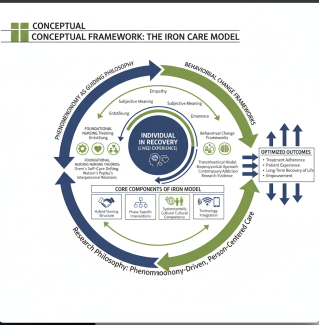
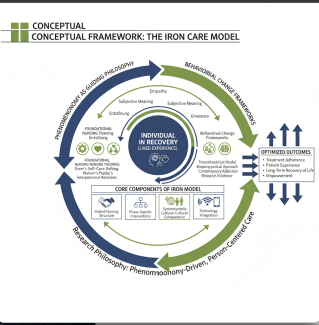
The Integrated Recovery-Oriented Nursing (IRON) Care Model: A Theoretical Framework for Optimizing Addiction Treatment Outcomes
Abstract
Title: The Integrated Recovery-Oriented Nursing (IRON) Care Model: A Theoretical Framework for Optimizing Addiction Treatment Outcomes
Authors: Ahmad Muneer, MSc, RN; Hessa Abdel Qader, MSc, RN
Affiliations: Maudsley Health, Al...
Harm Reduction Framework: Intervention Strategy for Substance Use Disorders
The purpose of this article is to outline an intervention strategy for substance use disorders using Harm Reduction as a framework. This paper provides guidelines for the reader on Harm Reduction, Principles of Harm Reduction, and how to...
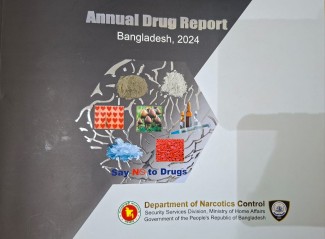
Annual Drug Report
Summary
Drug addiction is a complex and multidimensional social problem. Drug-addicted families never fully recover from the anxiety and...
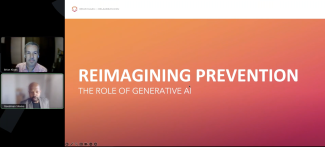
Webinar Reflection: Reimagining Prevention, The Role of Generative Artificial Intelligence
ISSUP, in partnership with the International Consortium of Universities for Drug Demand Reduction (ICUDDR), recently hosted an engaging and forward-looking webinar titled “Reimagining Prevention: The Role of Generative Artificial...
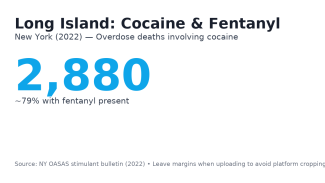
Cocaine & Fentanyl on Long Island
Cocaine-related harms on Long Island (Nassau & Suffolk) are increasingly polysubstance, with fentanyl present in most fatal cocaine overdoses in New York. Nationally, cocaine-involved mortality has nearly doubled since 2018. This fact sheet compiles verified NY/CDC sources and practical steps for families and providers: carry and train on naloxone, arrange benefits/transport to speed placement, screen for co-occurring mental health, and use evidence-based care (Contingency Management + CBT).
The Integrated Recovery-Oriented Nursing (IRON) Care Model: A Theoretical Framework for Optimizing Addiction Treatment Outcomes
I was honoured to participate in the EHS International Mental Health Conference 2025 as a poster presenter. My presentation reflected the core principles of the Integrated Recovery-Oriented Nursing (IRON) Care Model, emphasizing the...
A Decade of Impact, A Future of Possibility: ISSUP at 10 Pt. 3
Building the Future Together: Joanna Travis-Roberts on 10 Years of ISSUP
In the final episode of the series, Associate Professor Goodman Sibeko sits down once again with ISSUP Chief Executive Joanna Travis-Roberts to look back on a decade...

Drug Treatment Courts: An Evidence-Based Review with Recommendations for Improvement
This policy brief by the Canadian Centre on Substance Use and Addiction critically evaluates the role and effectiveness of Drug Treatment Courts (DTCs) in Canada. DTCs are intended to divert individuals with substance use disorders (SUDs)...
NIJ’s Courts Research: Examining Alternatives to Incarceration for Veterans and Other Policy Innovation
This article presents key studies from the National Institute of Justice’s (NIJ) Courts Research Portfolio that examine pretrial, prosecution, and sentencing policies promoting alternatives to incarceration, such as Veterans Treatment...
Evaluation of Prevention Programs in Colombia: Evidence, Results, and Lessons for the Prevention of Substance Use in Young People.
ISSUP Colombia presents its webinar on Evaluation of Prevention Programs in Colombia: Evidence, Results, and Lessons for Youth Substance Use Prevention.
Guidance for Police Response to Drug-Related Mental Health Crises
ISSUP Argentina presents its webinar on Guide for Police Response in Mental Health Crises Related to Drug Use.
Reimagining Prevention: The Role of Generative AI
ISSUP, in collaboration with ICUDDR, present a webinar on Reimagining Prevention: The Role of Generative AI.
Building a Global Home: The Birth and Growth of ISSUP Pt.2
Building the Future Together: Joanna Travis-Roberts on 10 Years of ISSUP
A special three-part series celebrating 10 years of of the International Society of Substance Use Professionals (ISSUP).
In this second episode, host Associate...

Call for Nominations: Youth Representatives for ISSUP National Chapters Advisory Committee
ISSUP is pleased to announce the call for nominations for four (4) Youth Representatives to serve on the National Chapters Advisory Committee (NCAC). These positions will represent Africa, Asia, Europe, and the Americas, ensuring that young...