

Search
Treatment Settings
Various treatment formats, either in a live-in facility or through regular visits to a clinic, are designed for ongoing support, to help maintain recovery, and to prevent relapse.

Self-Disclosure and the Treatment of Substance Abuse
Abstract
The identification and treatment of the substance-abusing physician has led to outcome studies focusing on years of abstinence and resultant work performance, but little has been written addressing the therapeutic changes recovery...
Should Addiction Counselors Disclose Their Recovery?
More often than not, the answer is: no.
- “I’m in recovery too…so you can trust the suggestions I give you.”
- “I’ve been there, done that, so I ‘get’ where you are coming from.”
- “When I was in early recovery I wouldn’t trust normal people...
Therapeutic Relationships
The Importance of Therapeutic Relationships
A therapeutic relationship is an effective way to promote positive change in people. It involves building trust in order to encourage openness and honesty. This leads to better understanding...
The Role of Therapeutic Alliance in Substance Use Disorder Treatment for Young Adults
The therapeutic alliance is well-recognized as an integral part of psychotherapy; however, there is little understanding of how it is best utilized in the treatment of substance use disorders (SUDs), particularly in young adults. In this...
Physical Activity’s Role in Youth Substance Use and Mental Health
Introduction
The US Department of Health and Human Services has recommended youth ages 6-17 years old get 60 minutes or more of combined moderate and vigorous physical activity each day.
Physical activity, including playing sports, is...

Receiving Addiction Treatment in the US: Do Patient Demographics, Drug of Choice, or Substance Use Disorder Severity Matter?
This article looks at who receives treatment in the United States in terms of demographic characteristics, addiction severity and drug of choice. While sex, age and race/ethnicity have small effects on treatment utilization, the primary...
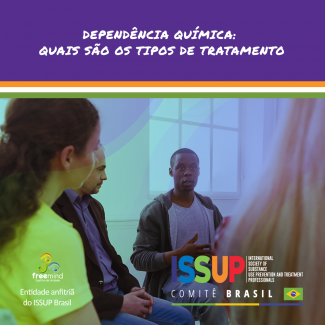
Dependência Química: Quais são os tipos de tratamento
Muitas pessoas não sabem que dependência química é uma doença crônica que possui tratamento. Ela se caracteriza pelo abuso de álcool, maconha, cocaína, crack ou outras substâncias entorpecentes, lícitas ou ilícitas. Esse tipo de doença...
Changes in Alcohol Consumption after Treatment for Depression: A Secondary Analysis of the Swedish Randomised Controlled Study REGASSA
Abstract
Objectives: Mental health problems and hazardous alcohol consumption often co-exist. Hazardous drinking could have a negative impact on different aspects of health and also negatively influence the effect of mental health...
Effect of Intranasal vs Intramuscular Naloxone on Opioid Overdose: A Randomized Clinical Trial
Key Points
Question: Is 800 μg of naloxone hydrochloride administered intranasally as effective in reversing opioid overdose as the same dose administered intramuscularly?
Findings: In this double-blind, double-dummy randomized clinical...
Staff Perceptions of Prescription and Over-the-Counter Drug Dependence Services in England: A Qualitative Study
Abstract
Background
Dependence to prescription and over-the-counter (OTC) drugs represents an increasing public health and clinical problem both in England and internationally. However, relatively little is known about those affected...
Helping to Support and Transform the Lives of People Affected by Alcohol
Drinking to excess takes a huge toll on individuals, families, communities and society as a whole.
Many adult problem drug users have long histories of substance misuse which often starts before the age of 18.
Providing well-funded...

Launch of 'Sobriety, Abstinence & Moderation' Research Cluster
With recent declines in drinking rates across parts of the world including Europe and Australia – particularly amongst younger people – and the rise of ‘positive sobriety’ movements, ‘dry months’ and online communities, further research...
Rights, Respect and Recovery: Action Plan
In 2018, the Scottish Government released the Rights, Respect and Recovery: Scotland's Alcohol and Drug Treatment Strategy.
Scotland's first drugs strategy for a decade focuses on treating the issue as a public health concern rather than a...
UNODC-WHO Joint Programme on Drug Dependence Treatment and Care
Both the WHO and UNODC strive to address the complex issues presented by drug use and dependence.
The vision: The effective and humane treatment for all people with drug use disorders. Nothing less than would be expected for any other...
A Further Look at Therapeutic Interventions for Suicide Attempts and Self-Harm in Adolescents: An Updated Systematic Review of Randomized Controlled Trials
Background: Suicide attempts (SA) and other types of self-harm (SH) are strong predictors of death by suicide in adolescents, emphasizing the need to investigate therapeutic interventions in reduction of these and other symptoms. We...
Responding to Global Stimulant Use: Challenges and Opportunities
Stimulants drugs increase the activity of the central nervous system producing feelings of euphoria, increased confidence, sociability, energy, and wakefulness.
In a recent paper, published as part of the Lancet series on drug use...
Viet Nam - UNODC Discussing Cooperation in Drug Prevention and Treatment
Currently, relevant ministries and agencies in Vietnam are studying, supplementing and amending the Law on Drug Prevention and Control to meet the current situation and practical requirements, including the section on drug prevention and...

Newsletter SPYM
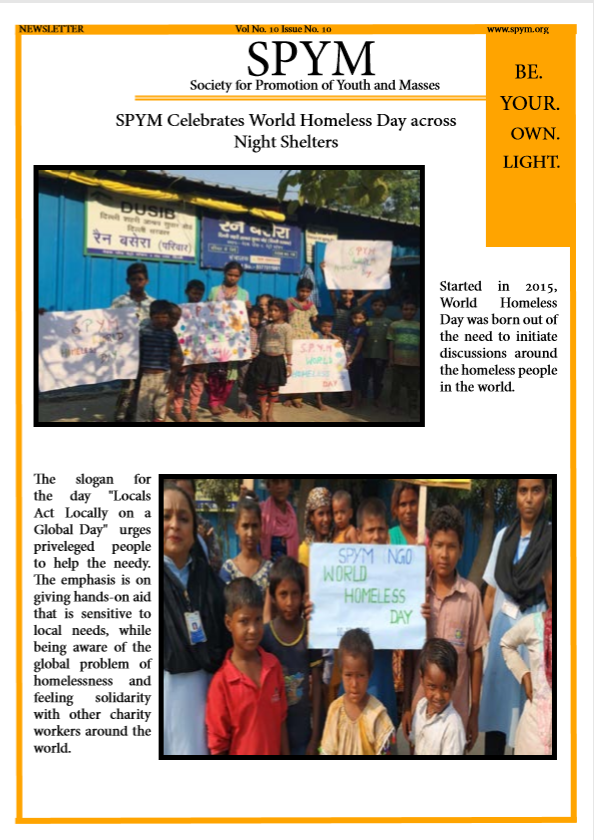
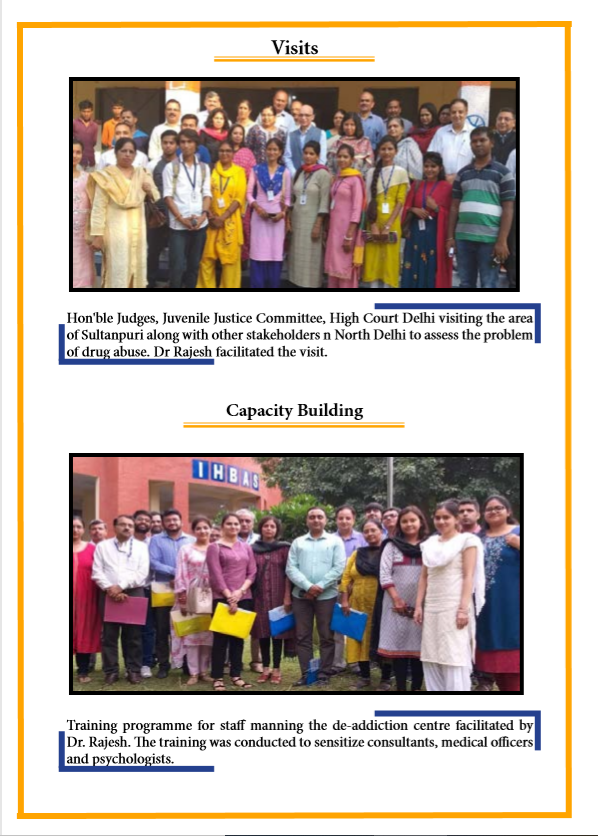
October Newsletter - SPYM
Look at the activities that were undertaken by SPYM in the month of October.
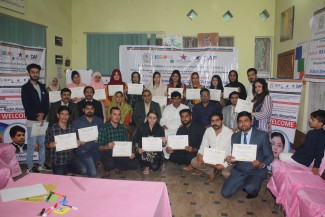
Six Days Training Workshop of UTC 5 & 8 for Addiction Professionals of Pakistan Organized by M A Jinnah Foundation, Nishan Rehab & ISSUP Pakistan
M A Jinnah Foundation(Regd), Sialkot in collaboration with Nishan Rehab Pakistan (an approved Education Provider by Colombo Plan DAP) organized six days training workshop on Universal Treatment Curriculum for Addiction Professional UTC 5...
Readiness to Change among Involuntarily and Voluntarily Admitted Patients with Substance Use Disorders
Abstract
Background
Health care workers in the addiction field have long emphasised the importance of a patient’s motivation on the outcome of treatments for substance use disorders (SUDs). Many patients entering treatment are not yet...