
Search

Enhanced Alcohol Container Labels: A Systematic Review (Report at a Glance)
To investigate how alcohol container labels can be used to build public awareness, the Canadian Centre on Substance Use and Addiction commissioned Enhanced Alcohol Container Labels: A Systematic Review and developed a summary of the report...
New Trends in Education and Training Programs in Addictions at the Higher Education and University Levels
BACKGROUND
A broad range of professionals, training opportunities, and regional differences exist in the addiction study field worldwide. This educational variety poses a challenge in proposing a precise classification of study programs at...
AddictologyIssue 4/2021
The Master’s in Drug Dependence at the University of Barcelona: Historical Perspective and Future Challenges
BACKGROUND
The two-year, multidisciplinary Master’s in Drug Dependence (MDD) at the University of Barcelona was created in 1986, after some years of offering shorter seminars. It was a response to the heroin crisis of the 80s and 90s and...
AddictologyIssue 4/2021
Comprehensive Evaluation of the Online Lifelong Education Course Prevention and Treatment of Substance Use Disorders for Physicians in the Czech Republic: Study Protocol
BACKGROUND
The course Prevention of Harmful Substance Use and Addiction Treatment is an integral and mandatory part of postgraduate medical education in the Czech Republic. Its aim is to acquire the necessary knowledge, skills and...
AddictologyIssue 3/2021
Impact of the COVID-19 Pandemic on Behaviour and Preference Changes in Relation to Selected Anabolic Androgenic Substances and Steroids: A Research Study
BACKGROUND: In December 2019, a severe acute respiratory syndrome caused by coronavirus 2 (SARS- CoV-2 or COVID-19) broke out in China. The virus spread rapidly throughout the country and around the globe. In an effort to prevent the spread...
AddictologyIssue 2/2021
Biographic Burden and Initiation into the Use of Amphetamine-Type Stimulants from the Perspective of Users: The Qualitative Arm of the ATTUNE Research Study in the Czech Republic
BACKGROUND: The Czech Republic has a long tradition of methamphetamine use. Less is known about the circumstances of initiation into its use at the level of individual users. The aim of the research was to analyse the biographic burden...
AddictologyIssue 2/2021
The impact of COVID-19 on drug use and harm reduction programming in the Middle East and North Africa (MENA) region: a regional consultation of stakeholders and people who use drugs
COVID-19 (SARS-CoV-2) was classified a pandemic on March 11, 2020, with early reports of the disease occurring in the Middle East and North African (MENA) area. On January 2021, the World Health Organization Eastern Mediterranean Regional...
Trends in use of e-cigarette device types and heated tobacco products from 2016 to 2020 in England
During the past decade, heated aerosolized nicotine delivery systems (HANDS) —mainly e-cigarettes—have surpassed nicotine replacement therapy as the most utilized aids for stopping smoking in England.
It is therefore important to explore...

CfA: Civil Society Participation in INCB Thematic Hearing on "The Use of Drugs Among Older Persons"
The International Narcotics Control Board (INCB) will host the third civil society hearing for the INCB board members on the margins of this years INCB board meeting. The hearing will be on the topic of "The Use of Drugs Among Older Persons...
Coronavirus COVID-19 Global Cases Public Dashboard
Johns Hopkins University Center for Systems Science and Engineering (CSSE) offers this public dashboard of worldwide confirmed cases, recoveries and deaths aggregating WHO, CDC, ECDC, NHC and DXY data in real time.
This source is unique...
EUSPR 2020 Call for Abstracts
EUSPR 2020 is being held in Lisbon, Portugal (at EMCDDA) on 8th and 9th October 2020, with workshops and project meetings scheduled for the pre-conference day, October 7th.
The theme this year is ‘Make prevention science relevant for all...
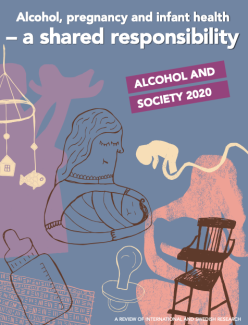
Alcohol, Pregnancy and Infant Health – A Shared Responsibility
"Of all the lifestyle choices we make in conjunction with pregnancy, none are of greater importance to the child’s future health and development than the ones we make in relation to alcohol."
Alcohol, pregnancy and infant health – a shared...
EMCDDA 25 Years of Monitoring
In 2020, the EMCDDA celebrates 25 years of monitoring the drug situation in Europe.
Noncommunicable Disease Progress Monitor
Noncommunicable diseases are the leading cause of premature death globally.
Every year, 41 million people die from heart attacks, stroke, cancer, chronic respiratory diseases, diabetes or a mental disorder.
Despite the concerning trends...
What Has Happened Since – 2020 Report
The Nordic Alcohol and Drug Policy Network (NordAN) was established in September 2000 as a network of non-governmental, voluntary organisations. Their aim is to reduce the consumption of alcohol and other drugs and support restrictive...

SPR: Call for Papers for Special Issue
The Society for Prevention Research is gathering research for a forthcoming special issue of the journal Prevention Science.
The title of the special edition is “Transparency, Openness, and Reproducibility: Implications for the Field of...
An Investigation into the Lasting Impact of Exposure to Alcohol and Drugs During Foetal Life
It is well recognised that substance use during pregnancy can harm the developing foetus, leading to potential cognitive dysfunction and mental and behavioural difficulties in later life.
Longitudinal studies, which track participants over...
Revista Internacional de Investigación en Adicciones
La Revista Internacional de Investigación en Adicciones (RIIAD), editada por Centros de Integración Juvenil A.C., tiene el propósito de desarrollar una plataforma para la publicación semestral bilingüe (español e inglés) de hallazgos...
PhD studentships- SSA
Overall purpose: to provide the opportunity to pursue a PhD in addiction science registered at a UK university and hosted at an appropriate organisation which, in the opinion of the Trustees (or officers with devolved authority), furthers...
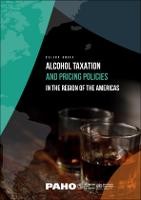
Policy Brief: Alcohol Taxation and Pricing Policies in the Region of the Americas
The need to reduce alcohol-related harms has been recognized by the 2010 World Health Organization (WHO) Global Strategy to Reduce the Harmful Use of Alcohol (adopted by the Sixty-third World Health Assembly), the United Nations Sustainable...