
Search
Connecting Evidence, Prevention, Law Enforcement and Community Action: Key Insights from ISSUP 2026
How do we go about translating evidence into effective action, strengthen prevention, address drug-related crime, improve access to treatment and recovery support, and build safer, healthier communities?
This age-old question was explored...

Faith-Based Approaches: The Role of Faith and Religious Institutions in Addressing Substance Use
Faith, spirituality and faith-based organisations can play an important role in addressing substance use, supporting recovery and responding to related vulnerabilities as well as crime. Across different cultural and community settings, they...
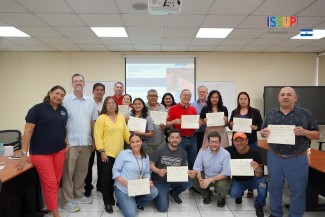
Strengthening Faith-Based Responses to Drugs and Youth Criminal Recruitment: CICAD's Experience in the Americas
ABSTRACT
This presentation examines the experience of the Inter-American Drug Abuse Control Commission (CICAD) in strengthening the role of faith-based organizations in addressing substance use and the growing challenge of youth...
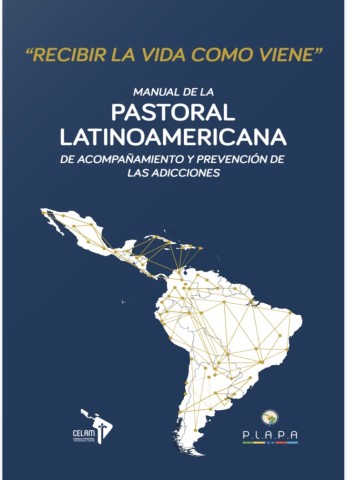
Latin American Pastoral Manual for Addiction Prevention and Support
ABSTRACT
Presentation of the Latin American Pastoral Manual for Addiction Prevention and Support, a resource that brings together science, faith and community experience. Developed through a synodal process involving representatives from...
Faith Based Recovery
Faith-based recovery refers to programmes and communities that draw on spiritual and religious resources to support the process of change. It encompasses a wide range of approaches that foster recovery through meaning, hope, responsibility...

A scoping review of spirituality in relation to substance use disorders: Psychological, biological, and cultural issues
This scoping review explores the role of spirituality in substance use disorders (SUD) across psychological, biological and cultural dimensions. It reviews research on topics including spiritual awakening, drug craving, psychedelic-assisted...
Religion and Spirituality in Addiction Recovery
This scoping review examines the role of spirituality in substance use disorders across three interconnected areas: psychology, biology, and culture. It explores topics including spiritual awakening, the relationship between spirituality...
From Darkness to Light: Spiritual Turning Points in Recovery among Former Substance Users in Norway
This qualitative study explores how spiritual experiences contribute to recovery from substance use disorders among 24 people who completed Christian faith-based rehabilitation programmes in Norway. Participants described experiencing loss...
A mosque-based methadone maintenance treatment strategy: Implementation and pilot results
This study describes an Islamic-inspired methadone maintenance treatment programme delivered in a mosque setting for 36 Muslim men who used heroin. The programme combined methadone treatment with peer support and religious counselling...
What Should the Treatment of the Soul Be? Exploring Addiction, Alcoholism, and Overeating
“What good will it be for someone if they gain the whole world, yet forfeit their soul? Or what can anyone give in exchange for their soul?”
— Matthew 16:26
What does it mean to “damage the soul,” and what might it mean to restore it?
The...
The Role of Faith Communities in Addressing Substance Use and Crime – Reading List (Part 2)
In this second reading list, we continue exploring the growing evidence on the role and contribution of faith communities and faith-based organisations in addressing substance use and crime, with a particular focus on treatment engagement...

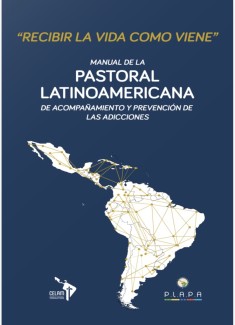
Manual de la Pastoral Latinoamericana de Acompañamiento y Prevención de las Adicciones
Nos complace compartir el lanzamiento del Manual de Pastoral de Adicciones, una iniciativa desarrollada por la Pastoral Latinoamericana de las Adicciones (PLAPA) y el CELAM.
Este manual ofrece una guía pastoral para la prevención, el...
Faith-Based Interventions for Reducing Gang Violence in the Caribbean: Reflections from a Professor and a Priest
This book chapter explores the role of faith-based interventions in preventing and reducing gang violence in Trinidad and Tobago. Drawing on the experiences of a criminologist and a religious leader, it argues that gang violence should be...
The Association Between Religiosity and Substance Use Patterns Among Women Involved in the Criminal Justice System
This study explores the relationship between religiosity and substance use patterns among women involved in the criminal justice system. Using data from women participating in a drug court programme in the United States, the researchers...
Religiosity and crime: Evidence from a city-wide shock
This study examines the relationship between religiosity and crime using data from the 2015 visit of Pope Francis to Philadelphia. By analysing daily crime reports before, during, and after the visit, the researchers found a significant...
The Role of Faith Communities in Addressing Substance Use and Crime – Reading List (Part 1)
In this reading list, we provide resources exploring the role of faith communities and faith-based organisations in addressing substance use, crime, violence and related social harms. Faith-based strategies draw on spiritual values...

TALK RECOVERY, TALK SAFE SPACES FOR MENTAL HEALTH
May is recognized globally as Mental Health Awareness Month, a time to encourage open conversations, challenge stigma, and promote emotional well-being for all. Across many cultures, however, men continue to face unique barriers when it...
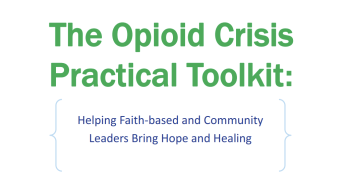
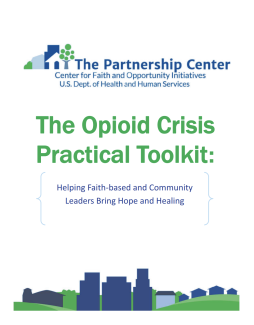
The Opioid Crisis Practical Toolkit: Supporting Faith and Community Responses
This practical toolkit highlights the role of faith-based and community leaders in responding to the opioid crisis in the United States. Developed by the U.S. Department of Health and Human Services, it recognizes that community and faith...
Belief, Behavior, and Belonging: How Faith is Indispensable in Preventing and Recovering from Substance Abuse
This study reviews evidence on the role of faith and spirituality in preventing substance use and supporting recovery. It highlights that many addiction treatment programs in the United States include a spiritual component, particularly...

Strengthening Faith-Based Responses to Substance Use and Crime: ISSUP and CICAD to Host Knowledge Exchange Session in Latin America
ISSUP, in collaboration with the Inter-American Drug Abuse Control Commission (CICAD), will host a high-priority Knowledge Exchange Session on Faith-Based Approaches, bringing together ISSUP National Chapters across Latin America to...