2026 National Drug Control Strategy - The White House
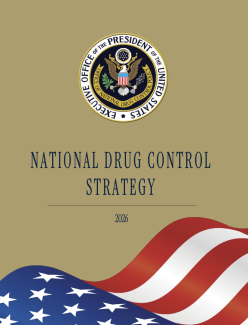
The 2026 National Drug Control Strategy outlines a comprehensive roadmap to reduce illicit drug use and protect communities across the United States. It prioritizes stopping the flow of drugs and precursor chemicals at all borders through enhanced detection technologies, expanded joint operations, intelligence-driven interdictions, and stronger investigation and prosecution efforts. The Strategy also intensifies actions against transnational criminal organizations and narcoterrorists by dismantling drug cartels, targeting online trafficking, imposing financial sanctions, disrupting leadership networks, and securing global supply chains through international partnerships and trade safeguards.
At the same time, the Strategy emphasizes prevention, treatment, recovery, and data-driven responses to addiction. It recognizes the role of faith-based organizations in prevention and recovery, expands access to evidence-based treatment and peer support, and integrates addiction services into mainstream healthcare and workplaces. The plan modernizes drug threat monitoring using advanced data systems, artificial intelligence, and national wastewater testing, while strengthening overdose response through wider naloxone availability, improved rescue training, and better hospital drug testing. Together, these efforts aim to establish a drug-free life as a social norm and support recovery at every stage of addiction.
About the Office of National Drug Control Policy: The Office of National Drug Control Policy leads and coordinates the nation’s drug policy so that it improves the health and lives of the American people. ONDCP is responsible for the development and implementation of the National Drug Control Strategy and Budget. ONDCP coordinates across 19 federal agencies and oversees a $44 billion budget as part of a whole-of-government approach to addressing addiction and the overdose epidemic. ONDCP also provides hundreds of millions of dollars to help communities stay safe and healthy through the High Intensity Drug Trafficking Areas Program and the Drug-Free Communities Program.