INTERSECTION OF SCIENCE AND SPIRITUALITY IN RECOVERY
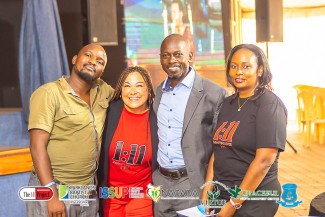
The reality that recovery from substance use disorders (SUD) can emerge through multiple pathways and not be linear, too, was powerfully demonstrated during the January Pathways to Progress Summit hosted by the 1:11 Project Africa at Parklands Baptist Church. The gathering, graced by the National Authority for the Campaign Against Alcohol and Drug Abuse (NACADA), highlighted a critical truth: healing is most effective when accurate assessment, evidence-based interventions, and supportive spiritual frameworks are integrated throughout the recovery journey.
Research consistently shows that substance use disorders are chronic but treatable conditions affecting brain structure and function, particularly areas responsible for decision-making, impulse control, and reward regulation. Science confirms that structured therapies such as cognitive-behavioural approaches, medication-assisted treatment where appropriate, and psychosocial support can significantly improve recovery outcomes.
At the same time, spirituality plays a complementary and often transformative role. Studies in addiction recovery have found that individuals who engage in faith-based or spiritually grounded practices from programs such as Celebrate Recovery (CR) frequently report increased hope, stronger resilience, improved coping skills, and greater long-term sobriety outcomes. The testimonies shared by participants from diverse walks of life reinforced this biopsychosocial-spiritual approach, reminding us that recovery is not only clinical but also relational, emotional, and deeply personal, and spirituality has a role to play.
When science provides the tools and spirituality nurtures meaning and purpose, individuals are better equipped to rebuild identity, restore relationships, and sustain recovery. Truly, when evidence-based care and spiritual support walk hand in hand, recovery is not only possible but also sustainable.