
What New York Families Should Know About 7-Hydroxymitragynine (7-OH) and Mitragynine Pseudoindoxyl (MP)
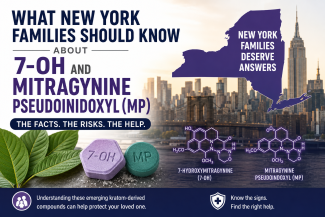
My name is Benjamin Zohar, NCACIP. As an intervention specialist supporting families across New York City, Long Island, and the Hudson Valley, I’m increasingly being asked about the risks connected to kratom and its newer, more potent byproducts — especially 7-hydroxymitragynine (7-OH) and mitragynine pseudoindoxyl (MP).
I’m sharing this information because many New Yorkers are unaware that some kratom-related substances can behave like powerful synthetic opioids. Families often contact me after seeing unexpected withdrawal symptoms, respiratory depression, or signs of dependence in a loved one who believed they were using a “natural” or “safe” supplement.
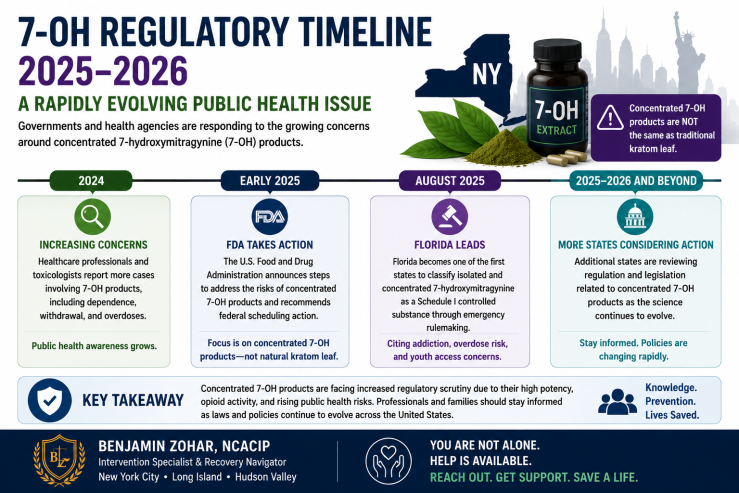
What 7-OH and MP Actually Are
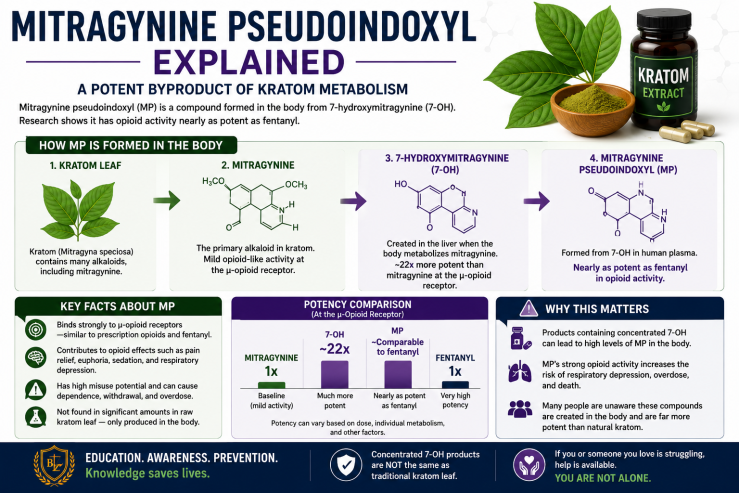
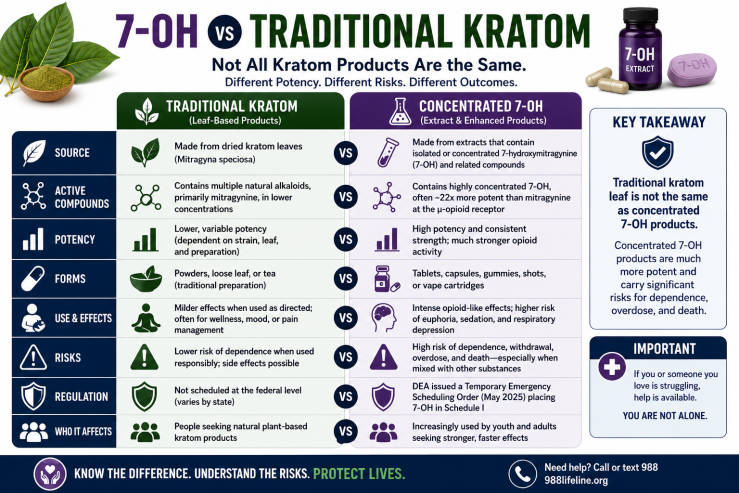
According to a detailed public health review by MATTERS Network1, kratom contains more than 50 alkaloids. The primary one, mitragynine, is a mild and unusual opioid-like compound. However:
- 7-OH is a metabolite created when the body processes mitragynine.
- MP (mitragynine pseudoindoxyl) is created from 7-OH in human plasma.
These byproducts are far more potent than kratom’s natural alkaloids. The MATTERS report notes that 7-OH is approximately 22 times more potent than mitragynine at the μ-opioid receptor, and MP is described as nearly as potent as fentanyl in its opioid activity.
Why This Matters in New York Right Now
In my work with families from Long Island, NYC nightlife communities, Orange County, and Westchester, I have seen individuals unintentionally develop symptoms resembling opioid use disorder after using kratom products marketed as “plant-based,” “legal,” or “safe.”
The MATTERS report highlights key dangers:
- Respiratory depression similar to classical opioids
- Liver toxicity and seizures
- High misuse potential
- Significant withdrawal symptoms after regular use
Because these products are sold openly in smoke shops, convenience stores, and online, many New Yorkers underestimate their risks — particularly teenagers, young adults, and people attempting self-medication.
What I’m Seeing in Families Across NY
A pattern I frequently see:
- Someone begins using kratom for energy, anxiety, or opioid withdrawal.
- Tolerance increases — they need more to feel normal.
- Stopping suddenly causes severe withdrawal.
- Respiratory symptoms or nodding occur even though “it’s not an opioid.”
This aligns with MATTERS’ findings that 7-OH and MP produce opioid-like effects, including dependence and respiratory depression
What Families in New York Can Do
Here are practical steps I encourage:
- Ask directly if kratom or “extracts” are being used.
- Watch for withdrawal: chills, body aches, anxiety, stomach issues.
- Have naloxone available — it works for 7-OH overdoses.
- Seek professional guidance early — don’t wait for a crisis.
My Role as an Intervention Specialist
When a family contacts me about kratom-related problems, especially 7-OH or MP, I focus on:
- SBIRT-informed screening to determine risk level
- Crisis stabilization if overdose or severe withdrawal is occurring
- Family coaching to create a unified, nonjudgmental plan
- Treatment navigation with programs experienced in kratom-related withdrawal
New York families rarely realize how powerful these substances can be until symptoms escalate. Sharing this knowledge can help prevent emergencies.
Related Articles
For additional evidence-based information on concentrated 7-hydroxymitragynine (7-OH), kratom dependence, withdrawal, and emerging semi-synthetic opioid derivatives, see the following resources:
- What Is 7-OH? The Emerging Opioid Threat Addiction Professionals Need to Understand in 2026
- MGM-16, MGM-15, and 7-OH: Understanding the New Generation of Semi-Synthetic Kratom Opioids
- 7-OH Withdrawal: Symptoms, Timeline, and Treatment Considerations
- 7-Hydroxymitragynine and Kratom Withdrawal
- Does Suboxone Help With Kratom Withdrawal?
Source
1. MATTERS Network (2025). Kratom Byproducts: 7-OH and MP — Drug & Contaminants Education. mattersnetwork.org/kratom-byproducts-7-oh-and-mp/
If You Work in Prevention, Treatment, or Harm Reduction
I welcome your observations and local data. What are you seeing in your New York region? Sharing insights helps strengthen statewide safety and education efforts.
— Benjamin Zohar, NCACIP
Intervention Specialist & Recovery Navigator, New York