The range of medical, psychological, and social services designed to help individuals reduce or stop substance use and manage substance use disorders. Treatment may include assessment, counselling and behavioural therapies, medication-assisted treatment, withdrawal management, and support for co-occurring mental or physical health conditions. Effective treatment is typically person-centred and evidence-informed, and may be provided in outpatient, community, or residential settings. Treatment aims to improve health and functioning, reduce substance-related harms, and support individuals in moving toward recovery and long-term wellbeing.
Treatment
Alcohol Toxicology
ISSUP Colombia invites you to its Webinar on Toxicology of drugs of abuse.
Extended-release pharmacotherapies for Substance Use Disorders in incarcerated populations
A history of harmful substance use or dependence is common among people in Criminal Justice Systems (CJSs) around the world. The time after an individual has left the CJS is of elevated risk for those with harmful substance use - with high...
Pharmacological management of acute methamphetamine withdrawal
About the webinar: This seminar provided an overview of Liam’s PhD studies, beginning with a systematic review and meta-analysis of previously researched pharmacological treatments for methamphetamine withdrawal. It then proposed a novel...
National Drug Treatment Reporting System 2022: Alcohol Treatment Demand
In this bulletin, data on treated problem alcohol use for the year 2022 are presented, followed by trends for the seven-year period from 2016 to 2022. The data are from the National Drug Treatment Reporting System (NDTRS), the national...
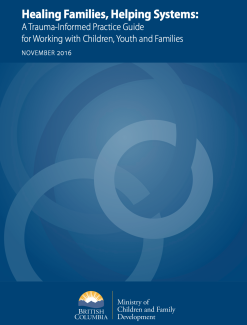
Healing Families, Helping Systems: A Trauma-Informed Practice Guide for Working with Children, Youth & Families
This guide is concerned with advancing understanding and action about trauma-informed approaches that support program and service delivery for/with children, youth, and families. A trauma-informed approach is a system-wide approach that is...
Stigmatising imagery for substance use disorders
Stigma is a barrier to treatment for individuals with substance use issues. Although there has been research conducted exploring the impact of stigmatising language, less is known about the effects of stigmatising images. This qualitative...
Introduction to Forensic Substance Use Evaluation
ISSUP and the National Board of Forensic Evaluators (NBFE) are pleased to present their collaborative Webinar on conducting a Quality Forensic Substance Use Evaluations.
UNODC conducted Regional Training of Trainers on UTC 20 in Central Asia
The UNODC Regional Office for Central Asia in collaboration with Prevention, Treatment and Rehabilitation Section, UNODC HQ held a Regional Training of Trainers (ToT) on Course 20 – “ Populations with Special Clinical Needs” which took...
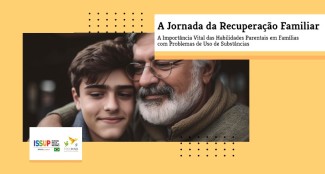
The Power of Parenting Skills in Family Recovery
When the shadow of substance use looms over a home, parental skills assume a crucial role in building an environment of recovery and growth for the whole family. This article explores the importance of these essential skills, supported by...
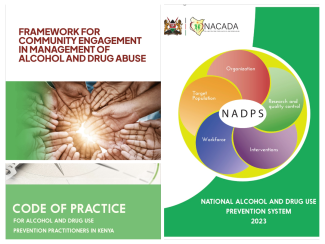
Kenya Substance Use Prevention Shaping Up
In 2021, Kenya through the National Authority for the Campaign against Alcohol and Drug Abuse (NACADA) developed the National Guidelines on Alcohol and Drug Use Prevention. The goal of the Guidelines was to establish minimum requirements...