
Search
 Treatment
The range of medical, psychological, and social services designed to help individuals reduce or stop substance use and manage substance use disorders. Treatment may include assessment, counselling and behavioural therapies, medication-assisted treatment, withdrawal management, and support for co-occurring mental or physical health conditions. Effective treatment is typically person-centred and evidence-informed, and may be provided in outpatient, community, or residential settings. Treatment aims to improve health and functioning, reduce substance-related harms, and support individuals in moving toward recovery and long-term wellbeing.



Prevalence and associations of metabolic syndrome in patients with alcohol use disorder
Abstract
Excessive alcohol consumption has been associated with different components of the metabolic syndrome (MetS) such as arterial hypertension, dyslipidemia, type 2 diabetes or obesity. We aimed to analyze the prevalence and...
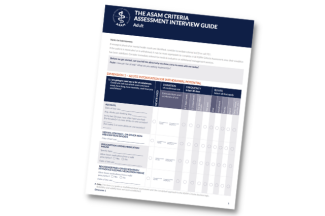
Free ASAM Criteria® Assessment Interview Guide
Source:
The ASAM Criteria® Assessment Interview Guide is the first...
Effectiveness of e-cigarettes as aids for smoking cessation: evidence from the PATH Study cohort, 2017–2019
Abstract
Objective To assess the effectiveness of e-cigarettes in smoking cessation in the USA from 2017 to 2019, given the 2017 increase in high nicotine e-cigarette sales.
Methods In 2017, the PATH Cohort Study included data on 3578...
The Synaptic Interactions of Alcohol and the Endogenous Cannabinoid System
ABSTRACT
PURPOSE: A growing body of evidence has implicated the endocannabinoid (eCB) system in the acute, chronic, and withdrawal effects of alcohol/ethanol on synaptic function. These eCB-mediated synaptic effects may contribute to the...
The Impact of Substance Use Disorder in Educational Institutions in Kenya: Possibilities for Mitigation
ISSUP Kenya are pleased to present their next Bi-Monthly Webinar on The Impact of Substance Use Disorder in Educational Institutions in Kenya.
This Webinar will discuss:
- Nature of Substance Use Disorder
- Epidemiology of SUD with...
Abuse Potential of Cathinones in Humans: A Systematic Review
Abstract
Introduction and objective: Assessing the abuse potential of new substances with central nervous system activity is essential for preventing possible risks of misuse and addiction. The same methodology is recommended for the...
Risk of psychosis in illicit amphetamine users: a 10 year retrospective cohort study
The illicit use of amphetamines, the stimulants commonly known as ‘speed’, is linked to a 5-fold heightened risk of psychosis, finds a 10 year study published online in the journal Evidence-Based Mental Health.

Mindfulness-Based Relapse Prevention: why make relapse prevention more mindful?
Traditionally, relapse prevention for addictive disorders has been based on cognitive-behavioural therapy (CBT). The development of mindfulness-based relapse prevention (MBRP) by the University of Washington, which integrates core aspects...

Relevance of research on public drug policy and its impact on national programs
ISSUP Chile presented a webinar on Public Policy Research on Drugs.
Risks and Harms Associated with the Nonmedical Use of Benzodiazepines in the Unregulated Drug Supply in Canada
Summary
Substance use risks are significantly higher for people who obtain drugs on the unregulated market as there is no quality control and drug contents are unpredictable. This lack of predictability has increased during the COVID-19...
Concept of trauma and guidance for a trauma-informed approach
This manual introduces a concept of trauma and offers a framework for becoming a trauma-informed organisation, system, or service sector.
The manual provides a definition of trauma and a trauma-informed approach and offers 6 key principles...
The intersection of homelessness, trauma, and substance use: Reading list
This reading list is designed to complement the webinar presented by Lili Lemieux-Cumberlege on trauma, homelessness, and substance use. The presentation explored the subject through a personal, interpersonal, and systemic lens, and...

Introducing compassion focused therapy
Compassion focused therapy (CFT) is based on the evolutionary, functional analysis of basic social motivational systems (e.g., to exist within groups and care for kin) and emotional systems (e.g., to respond to threats, seek out contentment...

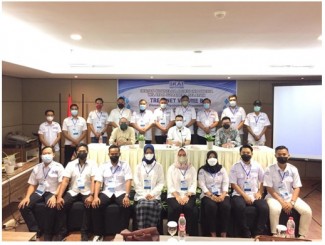
UNODC supports Practitioners in Community-Based Settings
The South Sumatra province has been ranked as the second largest province with people who use drugs, with a prevalence of 5% which approximately corresponds to 326,694 people, and methamphetamine is still the most popular drug of choice in...
Adverse childhood experiences and related outcomes among adults experiencing homelessness
People who are homeless experience significant physical, mental and social challenges that are linked with poor health and functioning. Rates of substance use issues, mental health difficulties, injury and chronic disease are significantly...
Variations in risks from smoking between high-income, middle-income, and low-income countries
Tobacco use is a major risk factor for cardiovascular and respiratory diseases, over 20 different types or subtypes of cancer, and many other health conditions 1.
In this study, the researchers explored the variation in risk from current...

Alcohol and the Environment
The Institute of Alcohol Studies presents Seminar Two in its four-part series on alcohol and sustainability. Seminar Two looks at the impact the production, packaging and distribution of alcohol has on both the local and global environment...
Alcohol industry sustainability commitments
The Institute of Alcohol Studies presents Seminar Three in its four-part series on alcohol and sustainability.
Seminar Three explores the voluntary commitments on sustainability made by alcohol producers, examining pledges in the wider...
Marketing and Consumption of No and Low Alcohol Drinks in the UK
With NoLo products increasing in popularity among producers and customers, a new report looks at how these drinks are marketed in the UK and how and why consumers drink them.
Using interviews with drinkers and non-drinkers, as well as...
EMCDDA launches PLATO e-learning platform and virtual community of practice
PLATO, a multilingual integrated platform, is designed to facilitate online training, e-learning and discussion through a virtual community of practice (VCP).
At present, PLATO hosts the European Prevention Curriculum (EUPC), a programme...