Search
 Populations
Distinct groups of people within a society who share certain characteristics such as age, gender, geographic location, socioeconomic status, cultural background, or exposure to particular risk factors that may influence patterns of substance use, vulnerability to substance use disorders, and access to services. In the context of substance use systems, identifying and understanding different populations helps guide the design of prevention, treatment, recovery, and policy responses that are appropriate, equitable, and responsive to specific needs. Examples may include youth, women, people experiencing homelessness, individuals in the criminal justice system, or communities affected by specific social or economic conditions.


"Drugs: Let's not look to the side"
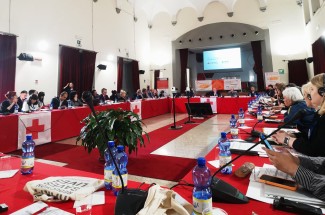
In May, the event "Drugs: Let's Not Look to the Side" was held in an auditorium in the City of Buenos Aires, organized by two youth NGOs: Frente Joven and the Observatorio de la Dignidad.
The initiative brought together experts, activists...

Children and families affected by parental drug use
ISSUP are pleased to present their webinar on Children and families affected by parental drug use.
Psychosocial and Cultural Coping Strategies for Mental Health and Substance Use Prevention and Treatment
American College of Science and Humanities initiated activities to fulfill the ISSUP mission in Sri Lanka. On June 11th 2023, the college held the inaugural psychology research conference with special focus on substance use prevention and...

The effects of the cost of living crisis on families and friends of someone with a substance use problem
The impact of addiction on family finances is multiple.
It is therefore no surprise to find that the cost of living crisis is causing additional difficulty and strain to families affected by substance use, adding further complexity to the...
How have governments communicated UK alcohol duty policy changes?
Pricing, including taxation, is a key tool to address harm from alcohol and is identified by the World Health Organization as a ‘best buy’ policy (meaning it is both effective in reducing harm and cost-effective). However alcohol was 72%...
Families Awareness Week 2023
Adfam is a UK charity tackling the negative effects of substance use on families and friends. This week is Families Awareness Week 2023 (26 June - 2 July), Adfam’s campaign to raise awareness of the 5 million people in the UK negatively...
Practical Guide for Implementing a Trauma-Informed Approach
The guide specifically focuses on tools and strategies for implementing a trauma-informed approach. This guide highlights the need for organizational assessment of readiness and capacity before implementing trauma-informed approach and...

ISSUP POSTER FOR LISBON ADDICTIONS 2022: STUDY ON SUBSTANCE USE AND THE ROLE OF FAMILIES IN KAZAKHSTAN, PAKISTAN AND UKRAINE
The fourth European Conference on Addictive Behaviours and Dependencies took place in Lisbon from 23–25 November 2022.
Under the overarching theme of Global Addictions, LxAddictions22 showcased cutting-edge research to help characterise...
AddictologyIssue 1/2023
Stress and substance use among sexual and gender minority individuals
Sexual and gender minority individuals face marked disparities in substance use.
This narrative review explores research on substance use in sexual and gender minority communities. The authors define the sexual and gender minority...
Seminar on Youth Participation in Substance Use Prevention
To build an affluent society, the youth must be involved in prevention of substance - Director General, Department of Narcotics Control
Youth is the time for our brain to grow and develop. Using of substances at a young age affect brain...
Association of Mandatory Warning Signs for Cannabis Use During Pregnancy With Cannabis Use Beliefs and Behaviors
Abstract
Importance As states have legalized recreational cannabis use, some have enacted policies mandating point-of-sale warning signs with information on harms of using cannabis during pregnancy. While research has found such warning...
Association Between Daily Alcohol Intake and Risk of All-Cause Mortality A Systematic Review and Meta-analyses
Abstract
Importance A previous meta-analysis of the association between alcohol use and all-cause mortality found no statistically significant reductions in mortality risk at low levels of consumption compared with lifetime nondrinkers...
Family Day: NGO launches an information guide for parents
On the occasion of the International Day of the Family, celebrated on May 15 each year, the NGO RAPAA (Research Action Prevention Accompaniment of Addictions) organized a ceremony to launch a guide for families. This brochure aims to inform...

MPSP speaks out against the decriminalization of drug possession for personal consumption
Dr. Mario Luiz Sarrubbo, Attorney General of the State of São Paulo, filed a memorial with the Federal Supreme Court (STF) with the position of the São Paulo Public Prosecutor's Office on the agenda that deals with the possible...

Exploring the impact of the COVID-19 pandemic on healthcare and substance use service access among women who inject drugs: a qualitative study
Abstract
Background
The COVID-19 pandemic disrupted healthcare and substance use services engagement, including primary and mental health services as well as residential and outpatient drug treatment. Women who inject drugs (WWID) face...
Comparative Effectiveness of Pharmacotherapies for the Risk of Attempted or Completed Suicide Among Persons With Borderline Personality Disorder
Abstract
Importance Suicidal behavior is a significant clinical concern in individuals with borderline personality disorder (BPD), but the effectiveness of pharmacotherapy on reducing suicide risk has remained unknown.
Objective To...
Engaging Dads in Programs to Support Families Affected by Substance Use Disorders
September 21, 2022, National Center on Substance Abuse and Child Welfare
This webinar features experts from CREOKS Health Services in Oklahoma and Hushabye Nursery in Arizona. Panelists and NCSACW staff highlight the importance of...
Accounts of women identified as drinking at ‘high risk’ during pregnancy
Drinking alcohol during pregnancy is associated with Foetal Alcohol Spectrum Disorders (FASD), and women who drink at higher levels are more likely to have a baby with FASD.
Efforts to better understand and respond to ‘high risk’ drinking...
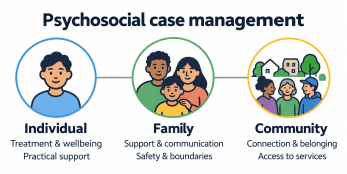
Treatment for drug and alcohol misuse should involve families and communities
Alcohol and other drug treatment are generally only provided for individuals, often away from their families. Treatment aims to improve well-being and reduce the harms of substance use and families and communities can play a significant...
Rome Consensus 2.0 Summit conclusions
Following the conclusion of the Rome Consensus 2.0 Summit, we are still enthusiastic to have met so many partners in person and for the good outcome of the event, which was possible thanks to the availability and contribution of every single person.