Search
 Populations
Distinct groups of people within a society who share certain characteristics such as age, gender, geographic location, socioeconomic status, cultural background, or exposure to particular risk factors that may influence patterns of substance use, vulnerability to substance use disorders, and access to services. In the context of substance use systems, identifying and understanding different populations helps guide the design of prevention, treatment, recovery, and policy responses that are appropriate, equitable, and responsive to specific needs. Examples may include youth, women, people experiencing homelessness, individuals in the criminal justice system, or communities affected by specific social or economic conditions.


"The Situation of mental health, violence against Women in the context of the post-COVID19 pandemic" progress, challenges and challenges
ISSUP Peru wants to invite you to its next Webinar.
ADDICTUS 2022, 4th National Forum on Pathological Addictions
ADDICTUS 2022
IV° NATIONAL FORUM ON PATHOLOGICAL ADDICTIONS
Riva del Garda Congress Centre (TN) 2 - 4 December 2022
Scientific coordinators: Fabio Lugoboni, Anna Franceschini, Stefano Canali
FRIDAY 2.12.22
Neurodevelopmental...
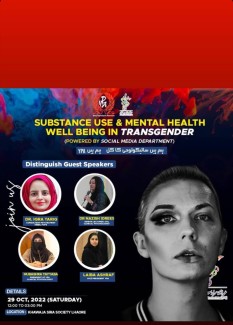
Substance use in Gender Dysphoria (Transgenders) and their Mental Health
An event at a NGO in Lahore was organized to address the mental health and substance use among those living with gender dysphoria. They have complex challenges that vary from bullying, harassment, prejudice, discrimination in support and...
Substance use and homelessness
This research explored changes in the tobacco, alcohol and illicit drug use of people experiencing homelessness in the UK. Particularly, the researchers examined the following questions:
- what are the characteristics of people with...
UNODC launched a Training of Trainers (ToT) Programme on the Universal Treatment Curriculum (UTC) Advanced Courses 9-15 in Pakistan
|
|
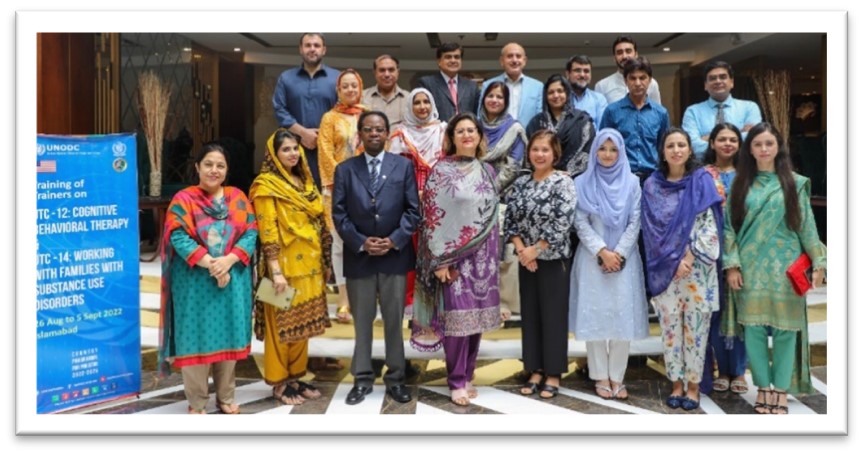 Ensuring continued learning and offering opportunities to substance use dependence treatment professionals to learn advanced and evidence-based treatment techniques and strategies is one of the important missions of UNODC. In...
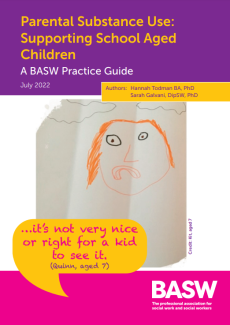
Parental Substance Use: Supporting School Aged Children (BASW Practice Guide)
Children living with parents who use substances are a group of children who are overlooked in legislation, policy and practice.
This guide draws on research that puts children’s voices front and centre.
Findings from safeguarding practice...
Two Countries and one problem: Prevention in Pediatrics
ISSUP Brasil presented a webinar with pediatricians discussing ways of prevention and how problems caused by substance use work.
Two pediatricians discuss the means of prevention and how problems caused by substance use work.
Moderators:
P...
Avoidance, Anxiety Towards Parents, and Self-Acceptance of Adolescents in the System of Higher Secondary Education
BACKGROUND:
A close relationship between a parent and a child and parental acceptance can mediate the appropriate self-acceptance of an adolescent, which is an important variable related to personality and a pillar of emotional health. In...
AddictologyIssue 2/2022
General Principles of Contingency Management for Smoking Cessation
Contingency management (CM) is a psychological treatment based on operant conditioning. It consists of providing incentives in exchange for achieving a target behaviour such as abstinence or other treatmentrelated variables (e.g. session...
AddictologyIssue 2/2022
Substance Use and the Role of Families. Results of a Cross-Country Study in Pakistan, Kazakhstan, and Ukraine
BACKGROUND:
In many countries families have rarely been involved in addressing treatment and interventions for family members with substance use disorders (SUDs). The aims of this study were to measure the influence of substance use on...
AddictologyIssue 2/2022
Contribution of SocioDemographic and Structured Leisure Activities’ Characteristics to Adolescents’ Alcohol Use
BACKGROUND:
Leisure can be a context that can promote positive adolescent development, but it can also be a context that contributes to adolescents engaging in risk behaviours.
AIMS:
The aim of this study is to determine the extent to...
AddictologyIssue 2/2022
A new model of Couples Treatment for Addiction
This Webinar examines a new model of couples treatment for addiction.
The model includes new aspects in the treatment, related to relationship reparation/ forgiveness and aspects of Emotionally-focused couple therapy.
The presentation...
War: Psychological Skills for Surviving and Coping with Traumatic Events
ISSUP Ukraine and ITTC-Ukraine jointly held an initiative dedicated to the ongoing war and the horrific events that resulted from Russian's attack on Ukraine. Ukrainians are currently experiencing extremely traumatic events that will have a...
Global Adult Tobacco Survey (GATS)-SA: Implementation, Results, and Implications for Policy
ISSUP South Africa, ITTC-SA and SAMRC - GATS-SA, are pleased to present their Webinar Series on Tobacco Use in South Africa.
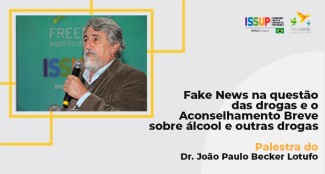
Fake News and Brief Counseling
Brazil and the world are experiencing an epidemic of fake news on various subjects, but especially on drugs. And this number of Fake News has been increasing, year by year.
And why is this so important in the case of drugs? Because the...
Safe spaces, vocational training, and prevention programs protect young Ugandan women
Adolescent girls and young women in Uganda, especially those based in rural Africa, experience multiple interrelated adversities that may place them at risk of HIV, alcohol abuse, and being dependent on inequitable power relationships with...
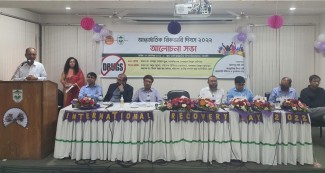
International Recovery Month Celebrated
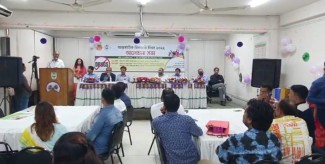
Director General of Department of Narcotics Control (DNC) Mr Abdul Wahab Bhuya has said that family and society's negative attitude towards substance users hinders the process of treatment and rehabilitation. He said this while addressing...
Treatment of Drug Use Disorders and Associated Mental Health Disorders in Prison Settings and Forensic Hospitals
This discussion paper was prepared by UNODC following various requests from the Member States for technical assistance on the treatment of drug use disorders and associated mental health disorders in prison settings.
This effort is related...
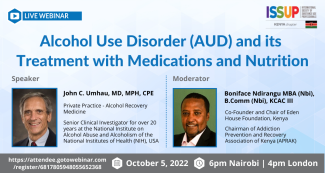
Alcohol Use Disorder and its Treatment with Medications and Nutrition
ISSUP Kenya present their Webinar on Alcoholism and its Treatment with Medications and Nutrition.