Evidence-informed strategies and interventions designed to reduce the likelihood of substance use and related harms. Prevention efforts aim to reduce risk factors and strengthen protective factors at the individual, family, community, and societal levels. These approaches may include education, family and school-based programmes, community initiatives, and policies that promote healthy environments. Prevention can be universal (targeting entire populations), selective (targeting groups at higher risk), or indicated (targeting individuals already showing early signs of risk). By addressing the factors that influence substance use before problems develop or escalate, prevention plays a key role in comprehensive responses to substance use disorders and related social and health challenges.

Prevention
Adolescents with Co-Occurring Disorders: Already in our Care
Wednesday, November 18, 2020 @ 3-4:30pm ET (2CT/1MT/12PT)
Description
Adolescence is a unique and active period of development. Differential diagnostic understanding and treatment is complicated, specialized, and vital. Often, protective change and treatment progress can be stalled by unrecognized areas of risk and need.
Lesson Plan and Activity Finder
Alcohol and Cancer Risks: A Guide for Health Professionals
WHO Global Report on Trends in Prevalence of Tobacco Use 2000-2025
New Zealand Government to Grant Police the Power to Conduct Roadside Drug Testing
Teen E-Cigarette Use Doubles Since 2017
Prioritising Action on Alcohol for Health and Development
Making Progress in the Fight Against Tobacco
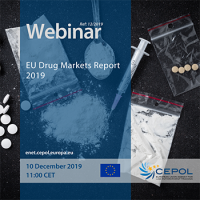
Webinar: EU Drug Market Report 2019
Description:
The aim of the webinar is to enable participants to understand the concept of the illicit drug market within the broader context of changing patterns of drug use, cultural and social factors and links to wider criminality; to describe to participants in detail the markets for the main drug types and the key points, and to talk about the opportunities for improvement of operational practices by using strat
Counselling Emerging Adults With Substance Use Disorders
Description
Substance use developmentally peaks during emerging adulthood (ages 18-25). Many emerging adults who develop problematic substance use during this developmental period have been exposed to environmental, individual, and interpersonal stressors throughout the life that places them at risk for ongoing difficulties with substance use as they transition to adulthood.