Evidence-informed strategies and interventions designed to reduce the likelihood of substance use and related harms. Prevention efforts aim to reduce risk factors and strengthen protective factors at the individual, family, community, and societal levels. These approaches may include education, family and school-based programmes, community initiatives, and policies that promote healthy environments. Prevention can be universal (targeting entire populations), selective (targeting groups at higher risk), or indicated (targeting individuals already showing early signs of risk). By addressing the factors that influence substance use before problems develop or escalate, prevention plays a key role in comprehensive responses to substance use disorders and related social and health challenges.
Prevention
Importance of Working with the Holy See and Other Faith-Based Groups
U.S. Embassy to the Holy See (Vatican)
Keynote Presentations: 9th EUSPR Conference and Members’ Meeting
The Ninth EUSPR Conference and Members’ Meeting took place October 24th – 26th 2018, Lisbon, Portugal. The focus of the event was Prevention Technologies – Improving the Use of Evidence in Prevention Practice. Academics, researchers, policy...
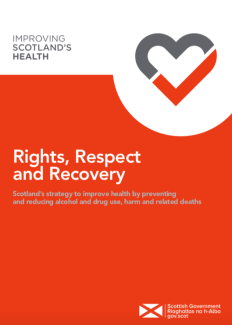
Rights, Respect and Recovery: Scotland's Alcohol and Drug Treatment Strategy
The Scottish Government has released the new Alcohol and Drugs Strategy, which aims to improve health by preventing and reducing alcohol and drug use, harm and related deaths. There were a record 934 drugs-related deaths in Scotland in 2017...
Effects of Early Childhood Education Attendance on Achievement, Social Skills, Behaviour, and Stress
The impact of school attendance on the lives and development of students is hardly overestimated. Children go to school at an increasingly precocious age. With the universalization of access to Early Childhood Education (ECE), starting at...
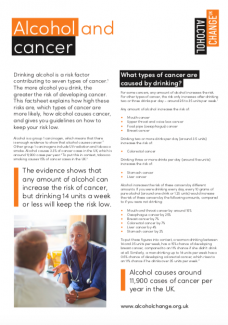
Fact Sheet: Alcohol and Cancer
Drinking alcohol is a risk factor contributing to seven types of cancer. The more alcohol you drink, the greater the risk of developing cancer. This fact sheet, developed by Alcohol Change UK, explains how high these risks are, which types...
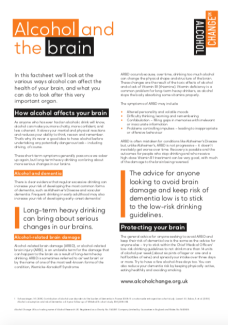
Fact Sheet: Alcohol and the Brain
Alcohol Change UK have released a fact sheet highlighting the various ways alcohol can affect the health of your brain as well as changes you can make in order to take care of this vital organ.
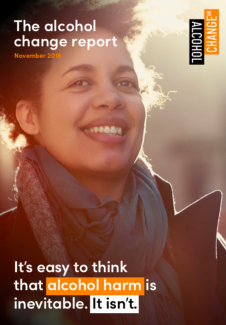
The Alcohol Change Report
Alcohol Change UK have released their latest report, which highlights the state of alcohol use in the UK and recommends changes that will reduce harm and promote a healthier society. The report gives a clear overview of the cost and...
Webinar: Implementing Screening, Brief Intervention, and Referral to Treatment in Rural Clinics
Many healthcare providers report that addressing alcohol and other drug problems is one of the most challenging areas of their practice. It is important that substance use counsellors can partner with providers to implement cost-effective strategies.
Webinar: Living in a Cloud - Adolescent Nicotine Use
Though adolescent cigarette smoking rates have decreased over the past four decades with fewer than 1 in 25 teens reporting daily tobacco use, e-cigarette use has increased two-fold. There are still lower rates of adolescent nicotine use overall, but a potentially dangerous trend has emerged with the increased use of vaping.