Psychoactive Substances

Psychoactive substances are natural or synthetic substances that act on the central nervous system and alter mental processes such as mood, perception, cognition, consciousness, and behaviour. These substances may be legally prescribed medications (e.g., pain medications or sedatives), legally available substances such as alcohol or caffeine, or controlled or illicit drugs. Psychoactive substances can be used for medical, social, cultural, or recreational purposes, but some carry risks of misuse, dependence, and health or social harms when used in harmful ways. 

Assessment of Annual Cost of Substance Use Disorder in US Hospitals

Scientific article
 - 
Abstract Importance A persistently high US drug overdose death toll and increasing health care use associated with substance use disorder (SUD) create urgency for comprehensive estimates of attributable direct costs, which can assist in...

February 18 – National Day to Combat Alcoholism

News
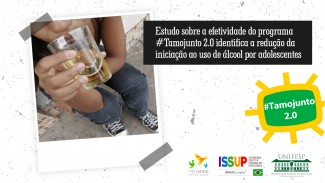
Don't let alcohol kill your enjoyment of life February 18 – National Day to Combat Alcoholism Data from the latest National Survey on Alcohol and Other Drugs (II Lenad), carried out by UNIFESP, in São Paulo, reveal the worrying dimension of...

The Science of Physical Activity

Video and audio recordings
What is the science behind it? Physical activity has many health benefits: it strengthens the heart and can help improve bone health and fitness, lowers blood pressure, improves sleep quality and reduces the risk of diabetes. Physical...

Modern psychiatry challenges of the XXI century

Book
 - 
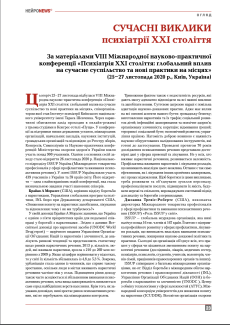
This year on November 25-27, the VIII International Scientific and Practical Conference "Psychiatry of the XXI Century: Global Impact on Modern Society and New Practices on the Ground" was held, co-organized by the Institute of Psychiatry...