Psychoactive substances are natural or synthetic substances that act on the central nervous system and alter mental processes such as mood, perception, cognition, consciousness, and behaviour. These substances may be legally prescribed medications (e.g., pain medications or sedatives), legally available substances such as alcohol or caffeine, or controlled or illicit drugs. Psychoactive substances can be used for medical, social, cultural, or recreational purposes, but some carry risks of misuse, dependence, and health or social harms when used in harmful ways.
Psychoactive Substances
SPR 2021 Call for NIDA International Poster Abstracts
The Program Committee of the Society for Prevention Research (SPR) invites proposals for preconference workshops to be held June 1, 2021, the first day of the SPR Annual Meeting. The workshops are primarily pedagogical, with hands-on...
Webinar: Introduction to Motivational Interview
ISSUP Argentina invites you to participate in a webinar that will address the Motivational Interview. Concept and advancement in addressing drug-related situations. The webinar will take place on Friday, October 23, 2020 at 10:00 a.m....
UNODC supports national partners in Kazakhstan to ensure continuity and sustainability of treatment, care and rehabilitation services during the COVIDE-19 pandemic for people who use drugs
On 25 September 2020, UNODC's Regional Mission in Central Asia and the Prevention, Treatment and Rehabilitation Section of UNODC Headquarters, in collaboration with the National Centre for Mental Health Research of the Ministry of Health of...
UNODC Supports National Partners in Kazakhstan in Ensuring the Continuity and Sustainability of Treatment, Care and Rehabilitation during the COVID-19 Pandemic for People who Use Drugs
UNODC Regional Office for Central Asia and UNODC PTRS in collaboration with the Republican Scientific and Practical Centre on Mental Health of the Ministry of Health of the Republic of Kazakhstan held national webinar on 25 September 2020...
Substance Use Disorders and COVID-19: Multi-Faceted Problems Which Require Multi-Pronged Solutions
Persistent use of alcohol, cannabis, nicotine, opioids and stimulants increase risk of substance use disorders (SUDs). SUDs are increasingly viewed as biopsychosocial disorders with multiple risk factors interacting at individual and...
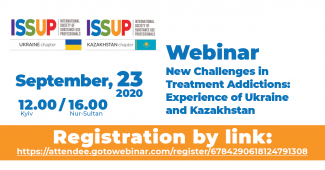
Webinar: New Challenges in Treatment Addictions: Experience of Ukraine and Kazakhstan
On Wednesday 23rd September, ISSUP Ukraine and ISSUP Kazakhstan presented a Webinar on "New Challenges in Treatment Addictions: Experience of Ukraine and Kazakhstan".
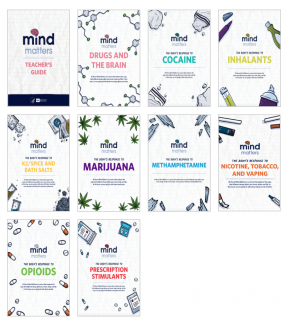
Mind Matters Series
The National Institute on Drug Abuse (NIDA) has launched a redesigned series of booklets geared towards educating middle school students about substance use. The Mind Matters series is a valued resource for tens of thousands of teachers...
ATTC Ukraine and Central Asia- Women and Substance Use Disorders Webinar
The effect of psychoactive substances on the human body has it’s gender differences. For example, alcohol dependence is a growing problem among women. Predisposition to alcoholism is higher in women primarily due to structural and...
ATTC Ukraine and Central Asia-Comorbidity of mood disorders and substance use disorders
Affective disorders, or mood disorders, are often diagnosed in people who use or are addicted to psychoactive substances. Symptoms of substance use disorder can mimic symptoms of both depression and mania. For example, acute alcohol...