
Distinct groups of people within a society who share certain characteristics such as age, gender, geographic location, socioeconomic status, cultural background, or exposure to particular risk factors that may influence patterns of substance use, vulnerability to substance use disorders, and access to services. In the context of substance use systems, identifying and understanding different populations helps guide the design of prevention, treatment, recovery, and policy responses that are appropriate, equitable, and responsive to specific needs. Examples may include youth, women, people experiencing homelessness, individuals in the criminal justice system, or communities affected by specific social or economic conditions.

Populations
Inside Sri Lankan Homes: Family Experiences of Substance Use
ISSUP Sri Lanka presents a webinar exploring family-centred responses to substance use in Sri Lanka.
Behavioral addiction episode By Ikenna Daniel Molobe
Behavioral addiction episode By Ikenna Daniel Molobe Many people who use drugs live in poverty, unemployment, and social isolation. Some become disengaged from education, training, and family life. When ill, they may resort to self...
ISSUP Bangladesh Chapter Launch Ceremony
ISSUP Bangladesh presents the launch of the ISSUP Bangladesh Chapter. Organised in collaboration with Dhaka Ahsania Mission, the ceremony will bring together national and international experts, policymakers, youth leaders, and development partners working in substance use prevention, treatment, and recovery support.
Evaluating the DALY impact of disease associated with second-hand smoke exposure in different socio-demographic index regions
Secondhand smoke (SHS) continues to be a major global health risk, contributing to cardiovascular diseases, metabolic disorders, and respiratory illnesses. Using data from the Global Burden of Disease 2021 study across 204 countries, this...
Exploring the lived experiences and coping strategies of mental health caregivers in Ethiopia: implications for supportive interventions
Family caregivers of people with mental illness often face significant stress, stigma, and unequal responsibilities that affect their wellbeing and the quality of care they provide. This mixed-methods study in northwest Ethiopia explored...
From evidence to impact: how to design quality and sustainable addiction prevention
ISSUP Global presents a webinar on From Evidence to Impact: How to Design Quality and Sustainable Addiction Prevention
Safety Starts Early: Drug Use Prevention and Violence Prevention as Public Security Investments
ISSUP Global presents a webinar on Safety Starts Early: Drug Use Prevention and Violence Prevention as Public Security Investments.
The Impact of the COVID-19 Pandemic on Gambling in Europe
INTRODUCTION: The COVID-19 pandemic disrupted Europe‘s gambling market, reshaping consumer behaviour, market structure, and regulatory priorities. Restrictions on land-based venues and the cancellation of major sporting events accelerated a...
Towards Comprehensive Sexuality Education in the Czech Republic: A Qualitative Study of Practitioners‘ Perspectives on Key Themes and Methods
INTRODUCTION: This study explores the perspectives of Czech practitioners on sexuality education (SE) for upper primary school students (ISCED level 2). It focuses on the topics they consider relevant, including those currently...
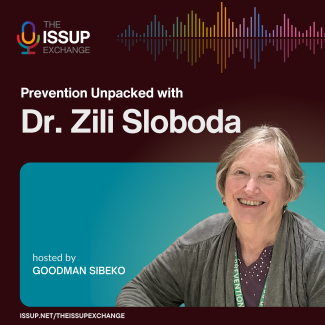
Prevention Unpacked with Dr. Zili Sloboda: Vision, Legacy & The Future of Prevention Pt.4
In the final episode of Prevention Unpacked with Dr. Zili Sloboda: Vision, Legacy & The Future of Prevention, the conversation looks ahead and brings the series full circle.