
Distinct groups of people within a society who share certain characteristics such as age, gender, geographic location, socioeconomic status, cultural background, or exposure to particular risk factors that may influence patterns of substance use, vulnerability to substance use disorders, and access to services. In the context of substance use systems, identifying and understanding different populations helps guide the design of prevention, treatment, recovery, and policy responses that are appropriate, equitable, and responsive to specific needs. Examples may include youth, women, people experiencing homelessness, individuals in the criminal justice system, or communities affected by specific social or economic conditions.
Populations
Quality Rights materials for training, guidance and transformation
Overview As part of the QualityRights Initiative, WHO has developed a comprehensive package of training and guidance materials. The materials can be used to build capacity among mental health practitioners, people with psychosocial...
Prevention Unpacked with Dr. Zili Sloboda: Workforce, Capacity & Global Development Pt.3
In this third episode of Prevention Unpacked with Dr. Zili Sloboda, the focus shifts from science to the people who make prevention possible.
Separate or Concomitant Use of Alcohol and Tobacco during Pregnancy: Prevalence and Associated Factors
Abstract Introduction: Pregnancy is a crucial period for a child’s physiological and psychological development. Alcohol and tobacco consumption during gestation is a public health concern due to the potential harm to maternal health, fetal...
Nonsuicidal Self-Injury of young adults in relation to personality organization
BACKGROUND: This study builds on previous findings that associate nonsuicidal self-injury (NSSI) with a pathological self-regulatory mechanism in individuals with abnormalities in their psychological profile. The primary aim of the present...
Suicide is not the solution
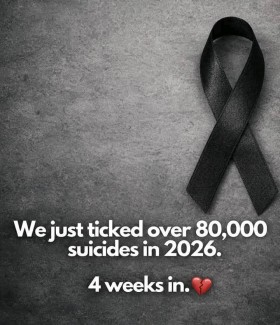
SUICIDE IS NOT THE SOLUTION There are moments when numbers stop being informative and start being evasive. They give us scale, but they shield us from closeness. More than 80,000 people have died by suicide worldwide and 2026 isn’t even a...
Freedom Recovery Symposium 2026
FREEDOM RECOVERY SYMPOSIUM, 2026 Recovery Is Possible: Freedom Recovery Symposium, 2026, Gujranwala Pakistan Recovery is possible. A Freedom Recovery Symposium, 2026 was successfully held at Freedom Rehab Gujranwala, in collaboration with...
Effectiveness of an mHealth Intervention to Help Parents Prevent Early-Onset Alcohol Involvement: Findings from a Pilot of a Randomized Waitlist Control Trial
A quarter of 11-year-old children in the USA have tried alcohol, typically provided by parents. Parents are the primary source of alcohol socialization for preteens, yet many are unaware of their influence and lack tools to discourage early...
The Promotion of Alcohol, Cannabis, Gambling, Tobacco and Vaping Products: A Comparative Analysis of the Potential of Legal Frameworks to Limit Exposure Among Minors
Promotions deemed attractive to minors concerning alcohol, cannabis, gambling, tobacco and vaping are circulating in media outlets and places where minors are very active. This report examines the different legal frameworks in Canada that...
Prevention Unpacked with Dr. Zili Sloboda: Science, Translation & the Evolution of Prevention Pt.2
In this episode of Prevention Unpacked with Dr. Zili Sloboda, the conversation turns to how prevention science actually became a field.
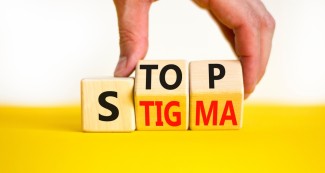
Public perceptions of heroin use: the influence of smoking, marital, and employment status on stigma toward people who use substances
This study explored public stigma toward people who use heroin in Jordan, where cultural and religious beliefs often frame substance use as a moral failing. A nationwide online survey of over 900 adults found high levels of stigma...