
The activities of authorised agencies such as police, customs, border services, and investigative bodies to enforce drug control laws and address criminal activities related to the production, trafficking, and distribution of illicit substances. These activities may include investigations, intelligence gathering, interdiction, and collaboration with national and international partners to disrupt organised crime networks. Law enforcement plays an important role in protecting public safety and maintaining the rule of law, and is most effective when coordinated with broader public health, prevention, treatment, and recovery efforts as part of a balanced and comprehensive response to substance use.

Law Enforcement
dataUNODC
UNODC have launched dataUNODC, a website that contains useful data on drug use trends. The data is presented under the following headings: Drug Demand Drug Supply Firearms Homicide Violent Crime Sexual Crime Trafficking in Persons Prison...
Insights on the Impact of COVID-19 Pandemic and Substance Use Disorders in Kenya
The UNODC Kenya mentor has participated at the webinar on the impact of COVID-19 pandemic and Substance Use Disorders in Kenya on Friday, 15 May 2020. Together with Hussein Manji, Public Health Consultant at UNODC ROEA, the mentor outlines...
Protecting Those That Protect Us
UNODC has developed Guidelines for the safe handling of substances and management of exposure risk for law enforcement and customs officers as part of the ‘safe handling’ series of technical guidelines and training materials. It is an...
Could a Telehealth Programme Improve Outcomes for Justice-Involved Women?
Evidence has shown that individuals released from prison are at greater risk of drug overdose in the first 2 weeks post-release compared to the general population. After a period of relative abstinence, the tolerance of people who use...
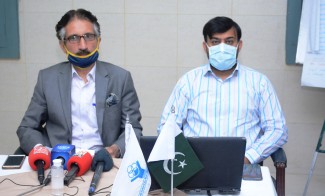
Corona Virus Hit People with Substance Use Disorder During Lockdown in Lahore
Sixty Five drug addicts were found dead during the corona virus lockdown in the city of Lahore due to overdose of drugs, shortage of food and water and living in miserable conditions. The majority of them was unidentified and homeless. More...
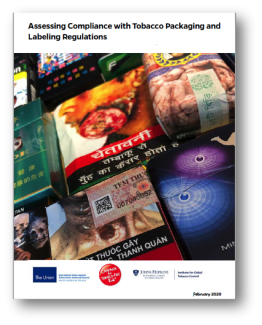
Assessing Compliance with Tobacco Packaging and Labeling Regulations
Source: https://www.issup.net/node/8539 The Institute for Global Tobacco Control (IGTC) has collaborated with the Campaign for Tobacco-Free Kids (CTFK), and the International Union Against Tuberculosis and Lung Disease (The Union) to...
COVID-19 Preparedness and Responses in Prisons
Close to 11 million prisoners worldwide — as well as the officers who are charged with ensuring their safe, secure and humane custody — must not be forgotten during the COVID-19 pandemic. Countries should recognize the particular risks...
With the pandemic, what has changed in drug use?
With many drug users dealing with mental health issues such as depression and anxiety, coronavirus isolation presents an unprecedented challenge. With the advancement of isolation measures to try to contain the new coronavirus, some illegal...
Suggestions about Treatment, Care and Rehabilitation of People with Drug Use Disorder in the Context of the COVID-19 Pandemic
In these challenging times of the COVID-19 pandemic, UNODC continues to focus on delivering vital assistance to those in need, including to people who use drugs and with drug use disorders, who are in prison and who have HIV/Hepatitis C...
COVID-19 HIV Prevention, Treatment, Care and Support for People who Use Drugs and People in Prisons
All people have the right to health, even in countries under lockdown or where a state of emergency has been declared. People who use drugs can be particularly vulnerable to COVID-19 due to underlying health issues, stigma, social...