

Search
 Psychoactive Substances
Psychoactive substances are natural or synthetic substances that act on the central nervous system and alter mental processes such as mood, perception, cognition, consciousness, and behaviour. These substances may be legally prescribed medications (e.g., pain medications or sedatives), legally available substances such as alcohol or caffeine, or controlled or illicit drugs. Psychoactive substances can be used for medical, social, cultural, or recreational purposes, but some carry risks of misuse, dependence, and health or social harms when used in harmful ways.
Nutrition in Addiction Recovery: Reading List
It is not uncommon for individuals with substance use disorder (SUD) to experience conditions which make healthy eating and proper nutrition more challenging.

Evidence and Implementation of family-based interventions in the addiction field
Dr Gallus Bischof presented AFINet’s second Webinar on “Evidence and Implementation of family-based interventions in the addiction field”.
Dr Bischof described and reported the results of a systematic review on the evidence of...
Psychosocial factors associated with the use of psychoactive substances in adolescents in Pereira, Colombia
summary
introduction:
The use of psychoactive substances is a public health problem with high prevalence in adolescents, a situation that influences individual and social development in adulthood.
objective:
Determine psychosocial...
SALIS / AMHL CONFERENCE
CONFERENCE
5th Annual Joint SALIS/AMHL Conference
42nd Annual SALIS Conference
April 27 – 29, 2021 (Virtual)
Information Professionals:
Building Back Better in the Post Pandemic World
The current pandemic has shaken up the...
Psychopathological co-morbidity in a drug-dependent population in alentejo
Co-morbidity or dual diagnosis is established by the World Health Organization (WHO) as the 'co-occurrence in the same individual of a dysfunction of psychoactive substance use and other psychiatric disorder' (WHO, 1995). There is a growing...
The Role of Public Organisations in Providing Assistance to Users of Psychoactive Substances: The Experience of Ukraine
ISSUP Ukraine are excited to present their Webinar on the role of public organizations in providing assistance to users of psychoactive substances, specifically focusing on the experience of Ukraine for the last 10 years.
India/Nagaland: ‘Culture of acceptance responsible for substance abuse’
By Menuse-O Max Khieya, first published in the Eastern Mirror Nagaland on Sunday, March 14, 2021
Sechü-Zubza, March 14 (EMN): The additional deputy commissioner of Kohima, N Bhavani Sri, has expressed concern over the widespread abuse of...
An Autophagy-Related Protein Becn2 Regulates Cocaine Reward Behaviors in the Dopaminergic System
Abstract
Drug abuse is a foremost public health problem. Cocaine is a widely abused drug worldwide that produces various reward-related behaviors. The mechanisms that underlie cocaine-induced disorders are unresolved, and effective...
Preparing an Addiction Study Program Based on Learning Outcomes
Presenters Michal Miovsky and Anna Volfova discuss their implementation of learning outcomes in their addiction education program at Charles University in Prague.
New programme in Togo to strengthen management of substance use disorders
Togo's Ministry of Health, Public Hygiene and Universal Access to Care has set up a national psychoactive drug addiction programme (PNAPP) that will help improve access to care for people with substance use problems.
This program will work...
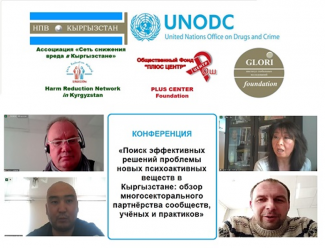
UNODC and partners discuss situation with New Psychoactive Substances in Kyrgyzstan
New psychoactive substances (NPS) are spreading at an unprecedented rate and are becoming a serious health threat and a real problem in drug policy in Central Asian countries. Little is known about the negative impact of NPS on human health...
Smoking Cessation for Improving Mental Health- Cochrane Review
People with mental health issues are more likely to smoke compared to the general population. They are also more likely to experience severe withdrawals and are less responsive to treatment. Indeed, some people believe that quitting smoking...
Society for the Study of Addiction (SSA) Professorship Scheme
The ‘SSA Addictions Professorship’ scheme aims to support individuals who are already senior academics with established expertise and who wish to move to become part of UK academic growth in addictions research, but who would face potential...
Adiktologie Journal Issue 3-4
The Adiktologie Journal is the professional journal for research concerning the prevention and treatment of addiction.
Below, you can find articles that make up the December 2020 edition.
EDITORIAL
A US national randomized study to guide how best to reduce stigma when describing drug‐related impairment in practice and policy
Drug‐related impairment is persistently stigmatized delaying and preventing treatment engagement. To reduce stigma, various medical terms (e.g. ‘chronically relapsing brain disease’, ‘disorder’) have been promoted in diagnostic systems and among national health agencies, yet some argue that over‐medicalization of drug‐related impairment lowers prognostic optimism and reduces personal agency.
Assessment of Annual Cost of Substance Use Disorder in US Hospitals
Abstract
Importance A persistently high US drug overdose death toll and increasing health care use associated with substance use disorder (SUD) create urgency for comprehensive estimates of attributable direct costs, which can assist in...
Webinar | Addictive Behaviors: Prevention and Treatment during COVID-19 Pandemic
ISSUP Lebanon are pleased to present their Webinar on the topic of Prevention and Treatment during the COVID-19 Pandemic.
The Role of Nutrition in Addiction Recovery
Join Khary Rigg, Ph.D., Associate Professor, Department of Mental Health Law and Policy, and Kelly Miller, NTMC, Nutritional Therapist and owner of The Addiction Nutritionist LLC for a webinar exploring the connection between substance use disorder and nutrition.
February 18 – National Day to Combat Alcoholism
Don't let alcohol kill your enjoyment of life
February 18 – National Day to Combat Alcoholism
Data from the latest National Survey on Alcohol and Other Drugs (II Lenad), carried out by UNIFESP, in São Paulo, reveal the worrying...

In Love with Addiction Neuroscience
In ISAM-NIG's new monthly talk series "In-Love with Addicted Brains”, addiction neuroscientists from across the world share their personal stories/experiences on the beauty of addiction neuroscience and how/why they have decided to invest...