
Search
Treatment Settings
Various treatment formats, either in a live-in facility or through regular visits to a clinic, are designed for ongoing support, to help maintain recovery, and to prevent relapse.

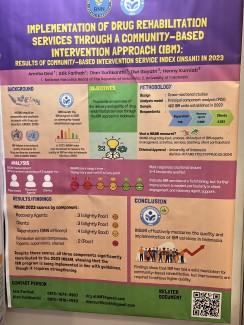
Implementation of Drug Rehabilitation Services Through a Community-Based Intervention Approach (IBM): Results of Community-Based Intervention Service Index (INSANI) in 2023
Background:
Independent and community-based services should be available and easily accessible to drug users (UNODC, 2018). Therefore, the Deputy for Rehabilitation of BNN initiated the IBM Program in 2021. Although IBM services are...
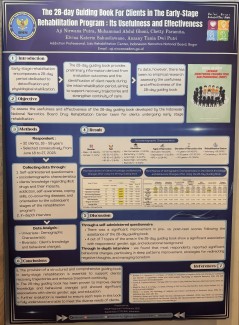
The 28-day guiding book for clients in the early-stage rehabilitation program: its usefulness and effectiveness
Early-stage rehabilitation represents a vital phase in the continuum of care for individuals with substance use disorder (SUD). This phase typically encompasses a 28-day period dedicated to detoxification and both physiological and...
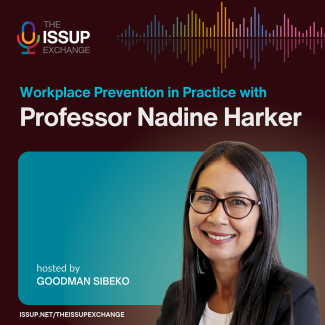
Workplace Prevention in Practice Pt.3: Policy, Ethics, and Compliance in Workplace Prevention
In this episode, Associate Professors Goodman Sibeko and Nadine Harker unpack how workplaces can uphold legal and ethical standards while promoting mental health and preventing substance use.
Prof. Harker discusses what makes a workplace...
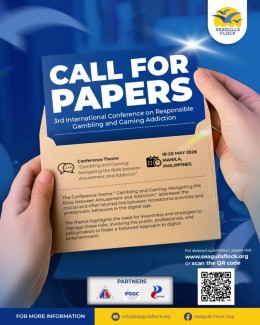
Join the Conversation: 3rd International Conference on Responsible Gambling and Gaming Addiction ( 3rd ICRGGA )
Call for Papers is Now Open!
Share your research, experience, and knowledge to help advance the field.
Seagulls Flock Organization, Inc., in partnership with the Quezon City Local Government Unit, the International Problem Gambling and...
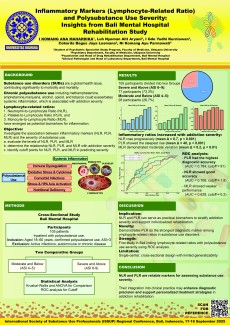
Inflammatory Markers (Lymphocyte-Related Ratio) and Polysubstance Use Severity: Insights from a Bali Mental Hospital Rehabilitation Study
Background:
Substance use disorders (SUDs) are a global health issue, contributing significantly to morbidity and mortality. Chronic polysubstance use exacerbates systemic inflammation, which is associated with addiction severity...
Workplace Prevention in Practice Pt.2: Early Identification and Support in the Workplace
In this third episode, Associate Professor Goodman Sibeko and Associate Professor Nadine Harker discuss how workplaces can identify early signs of substance use and mental health challenges among employees, and respond appropriately before...
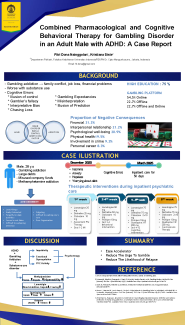
Combined Pharmacological and Cognitive Behavioral Therapy for Gambling Disorder in an Adult Male with ADHD: A Case Report
Background
Individuals who experience gambling addiction often face problems in family relationships, job loss, and financial difficulties. Gambling problems worsen when accompanied by substance use.
Case Presentation
A 28-year-old man was...
ISSUP Nigeria Knowledge Update Series (30th Session): Integrated Behavioural Health Approaches In Substance Use Disorder Prevention, Treatment And Recovery: Bridging Gaps In Service Delivery
ISSUP Nigeria presents the 30th session of its bi-monthly webinar in the Knowledge Update Series. This webinar will focus on the topic 'Integrated Behavioural Health Approaches In Substance Use Disorder (SUD) Prevention, Treatment And Recovery: Bridging Gaps In Service Delivery'.
Day 2, 14:00 - 15:00, Plenary 10: Treatment and Care
Panel Presented at Indonesia 2025 on the 18th of September 2025
Moderator: Tri Iswardani
Presentations:
Gina Hofert: Substance Use Disorder in Pregnancy: Navigating Confidentiality Law to Deliver Evidence-Based Collaborative Care
Julai...
Day 2, 13:00 - 14:00, Plenary 9: Community–Based Approach in Asia
Panel Presented at Indonesia 2025 on the 18th of September 2025
Moderator: Therese Castillo
Presentations:
Erniawati Lestari - Building Access To Rehabilitation Services For Substance Use Disorders In Indonesia Through Community-Based...
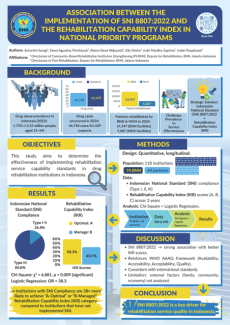
ASSOCIATION BETWEEN THE IMPLEMENTATION OF SNI 8807:2022 AND THE REHABILITATION CAPABILITY INDEX IN NATIONAL PRIORITY PROGRAMS
Background:
In 2023, the prevalence of drug abuse in Indonesia among the population aged 15–64 years reached 1.73%, equivalent to 3.33 million people. This problem has prompted The National Narcotics Board (BNN) as a government agency which...
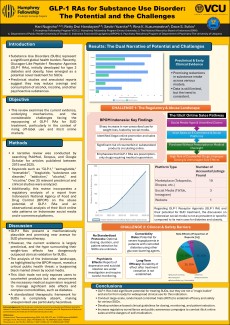
GLP-1 RAs and Substance Use Disorder Treatment: The Potential and the Challenges
| Background: Glucagon-like peptide-1 receptor agonists (GLP-1 RAs) are revolutionizing the management of type 2 diabetes and obesity. Exciting new research suggests these medications may also hold immense promise for treating... |
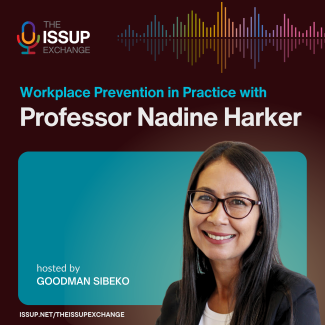
Workplace Prevention in Practice Pt.1: Shifting Workplace from Reaction to Care
In this first episode, Professor Goodman Sibeko sits down with Professor Nadine Harker to unpack what it really means for a workplace to take prevention seriously. Together, they explore how organisations can move beyond awareness campaigns...
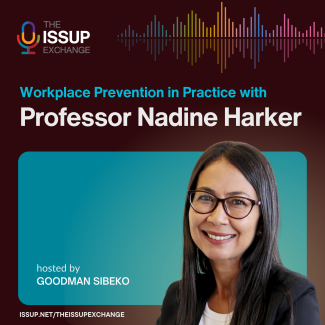
Workplace Prevention in Practice (Intro): Getting to know Nadine Harker
Before exploring how workplaces can promote prevention and wellbeing, Professor Goodman Sibeko introduces Professor Nadine Harker, the voice and perspective behind much of this work. In this opening conversation, Professor Harker shares the...
Children, mothers with SUDs and protection systems
ISSUP Argentina presents its webinar on Childhood, mothers with SUDs and protection systems.
Navigating stigma: a qualitative study of barriers to opioid treatment engagement in Tanzania
Background
Stigma related to drug use is a well-documented barrier to engaging and remaining on medication for opioid use disorder (MOUD), yet little is known about how stigma operates across multiple social and institutional settings in...
Adherence to mHealth quit smoking application ‘stopcoach’ on top of evidence based smoking cessation counselling: association with participant characteristics and long-term abstinence
Background
Smoking is more common in lower socioeconomic position (SEP) groups, but smoking cessation interventions are less effective for these groups. StopCoach, an mHealth intervention, supports people with lower SEP in quitting smoking...
Initial stakeholder perceptions around opioid settlement funds in Pennsylvania
Background
The opioid epidemic continues to pose significant challenges in the United States, with over 75% of nearly 107,000 drug overdose deaths in 2022 involving opioids. Recently, efforts to curb the epidemic have made strides...
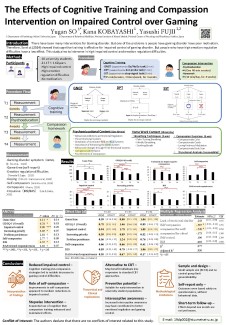
The Effects of Cognitive Training and Compassion Intervention on Impaired Control over Gaming
Background and Objectives: Cognitive behavioral therapy (CBT) is the first-line treatment for gaming disorder (GD), as it addresses background factors. However, certain limitations exist. Cognitive training has been explored as an...
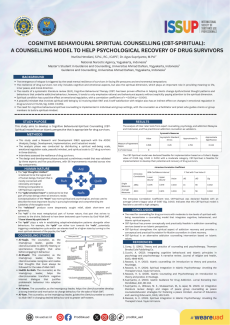
Cognitive Behavioural-Spiritual Counselling Model (CBT-Spiritual) in Resiliency Enhancement for People with Substance Abuse Disorder
Drug abuse is increasingly concerning, requiring a rehabilitative approach through effective counselling by the Indonesian Government by strengthening drug prevention and eradication, because drug abuse in Indonesia is increasingly...